From seborrheic dermatitis to folliculitis, learn to identify the exact cause of your scalp bumps and flakes, plus the treatments that actually work for each condition.
You run your fingers through your hair and feel small bumps that weren't there before, or you notice flakes on your shoulders a day after washing. Your scalp might be tender or itchy, and you want to know whether it's serious or something that'll pass.
A lot of scalp problems look alike, which makes them hard to tell apart at home. Bumps can be inflamed follicles or a fungal infection. Flakes can be ordinary dandruff, seborrheic dermatitis or psoriasis.
Each one needs different treatment. An antifungal shampoo helps seborrheic dermatitis but won't clear a bacterial infection, and scalp ringworm needs tablets from a doctor. Getting the diagnosis right is most of the battle.
Common Scalp Bumps and Patches
Folliculitis is an inflamed hair follicle: a tender red spot, often with a small pus-filled head, sometimes in clusters. Bacteria, most often Staphylococcus aureus, are a common cause, though yeast and heavy, pore-blocking products can cause it too. Tight styles that pull on follicles, including certain protective styles worn too long, may also play a part.
Seborrheic dermatitis shows up as greasy, yellowish scale with redness underneath, and the flakes tend to stick to the scalp rather than brushing off. An overgrowth of Malassezia yeast is believed to play a part, along with your scalp's natural oil. Stress can make flare-ups more likely.
Scalp psoriasis causes thick, red, clearly edged patches with silvery-white scale, often at the back of the head and sometimes spreading onto the forehead, ears or neck. It's driven by the immune system, which makes skin cells multiply so fast that they pile up.
Telling the Flakes Apart
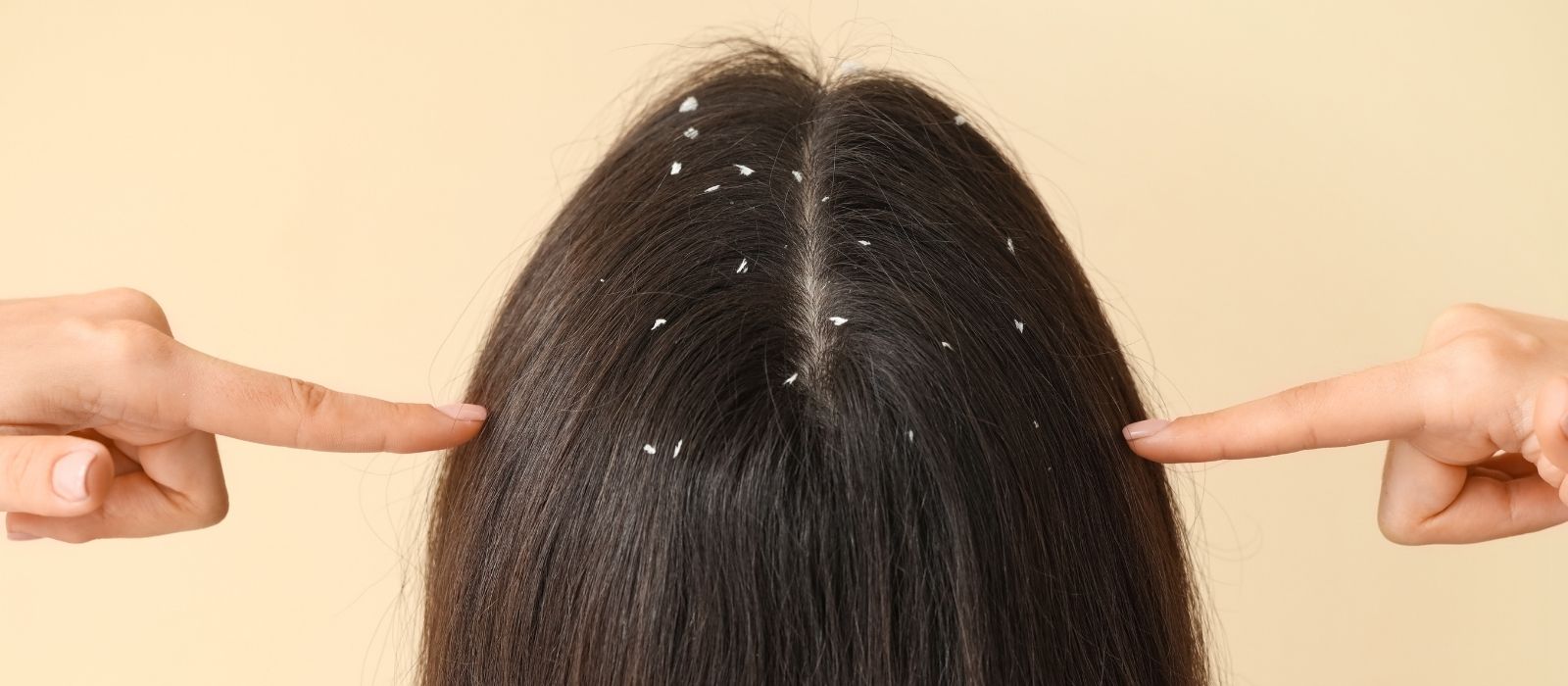
Dry scalp flakes are small and white and brush off easily. Your scalp feels tight and itchy, especially after washing, and harsh shampoos or dry indoor air during winter months often set it off. A gentler shampoo and a moisturizing conditioner usually help.
Dandruff flakes are usually bigger and slightly greasy. Dandruff isn't caused by poor hygiene. It's thought to be linked to a yeast that lives on everyone's skin, though it shows more if you don't wash often. The key difference between dry scalp and dandruff is that dandruff isn't really about dryness at all.
Seborrheic dermatitis is like dandruff turned up: thicker, greasier scale that clings to the scalp, with visible redness and sometimes soreness. Moisturizing products won't clear it. It needs a medicated shampoo.
How to Treat Each One
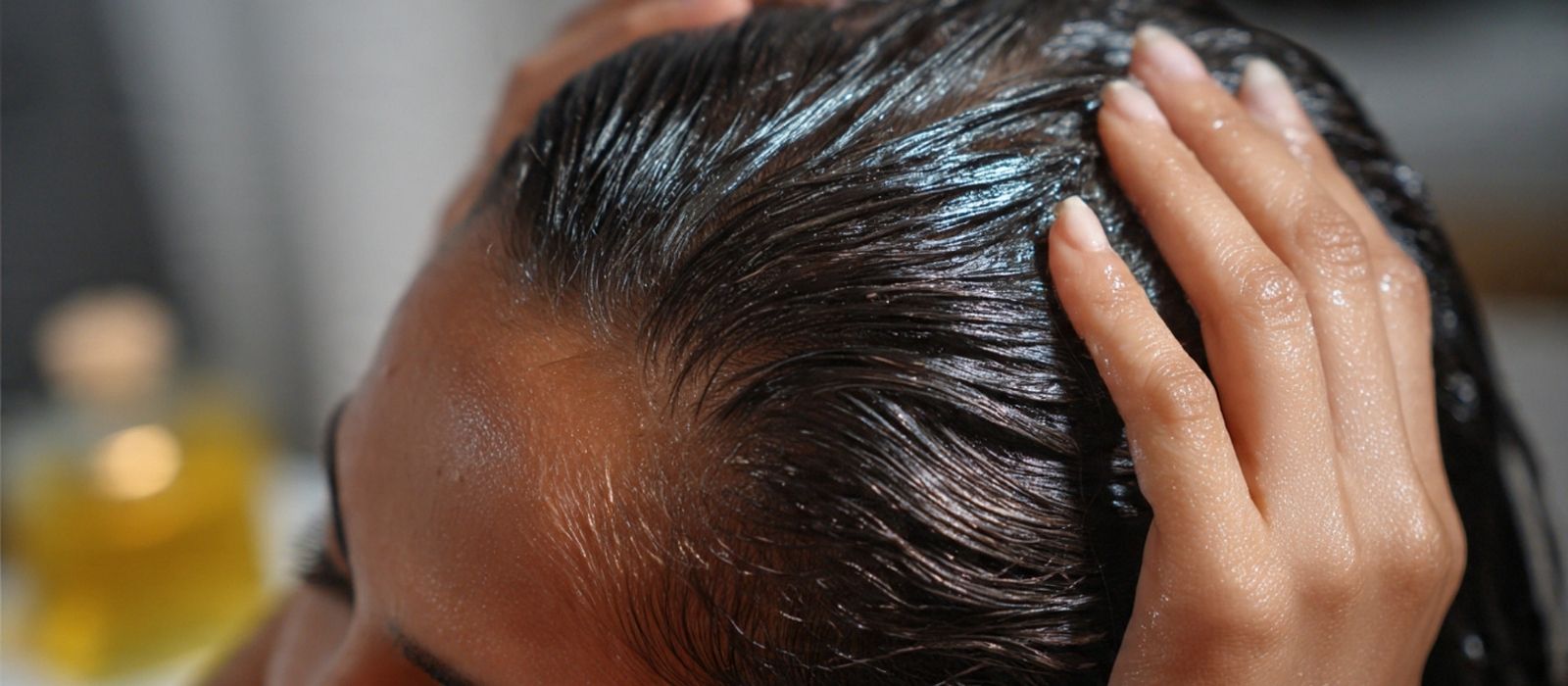
For mild folliculitis, stop heavy oils, loosen tight styles and wash with an antiseptic cleanser. If the bumps don't settle, a doctor can prescribe an antibiotic cream or tablets, or an antifungal if yeast is the cause.
For dandruff, the NHS suggests a shampoo with ketoconazole, coal tar or salicylic acid for up to 4 weeks. For seborrheic dermatitis, DermNet advises a medicated shampoo such as ketoconazole twice a week for at least a month, and longer if needed to keep it under control. Maintaining proper scalp health helps between flares.
Scalp psoriasis usually needs prescription treatment. Doctors often use steroid scalp lotions or shampoos, calcipotriol, or the two combined, sometimes with salicylic acid first to lift thick scale.
Home remedies like tea tree oil may soothe mild irritation, but they won't clear an infection or psoriasis. See a doctor or dermatologist if you have any of these:
- patches of hair loss, especially with scaling or broken hairs, which can be scalp ringworm that needs antifungal tablets
- smooth, shiny or scarred areas where hair isn't growing back
- bumps full of pus, painful lumps or boils
- a red rash that's spreading, or swelling
- severe itching, or no improvement after 4 weeks of anti-dandruff shampoo
FAQ
How Do I Know If My Scalp Bumps Are Infected
Infected bumps are usually painful and warm, often filled with pus, with redness spreading around them. See a doctor promptly, and the same day if you have a fever, red streaks spreading from the area or a lump that keeps getting bigger.
Can Scalp Problems Cause Hair Loss
Yes. Psoriasis and severe seborrheic dermatitis can cause shedding, which usually grows back once the scalp is treated. Scalp ringworm and some types of deep folliculitis can scar the follicles and leave permanent bald patches, which is why early treatment matters.
Why Do My Scalp Problems Keep Coming Back
Seborrheic dermatitis and psoriasis are long-term conditions that come and go, so they often need ongoing treatment rather than a one-off fix. Stress and cold weather can set off flares. If something keeps coming back despite treatment, get it checked, because it may not be what you think it is.
This article is for informational purposes only. It is not a substitute for professional medical advice, diagnosis, or treatment. Always consult a qualified healthcare provider before making changes to your health routine.