Hair getting thinner? Learn the real causes from hormones to scalp health, plus what actually works to restore thickness and stop progressive thinning.
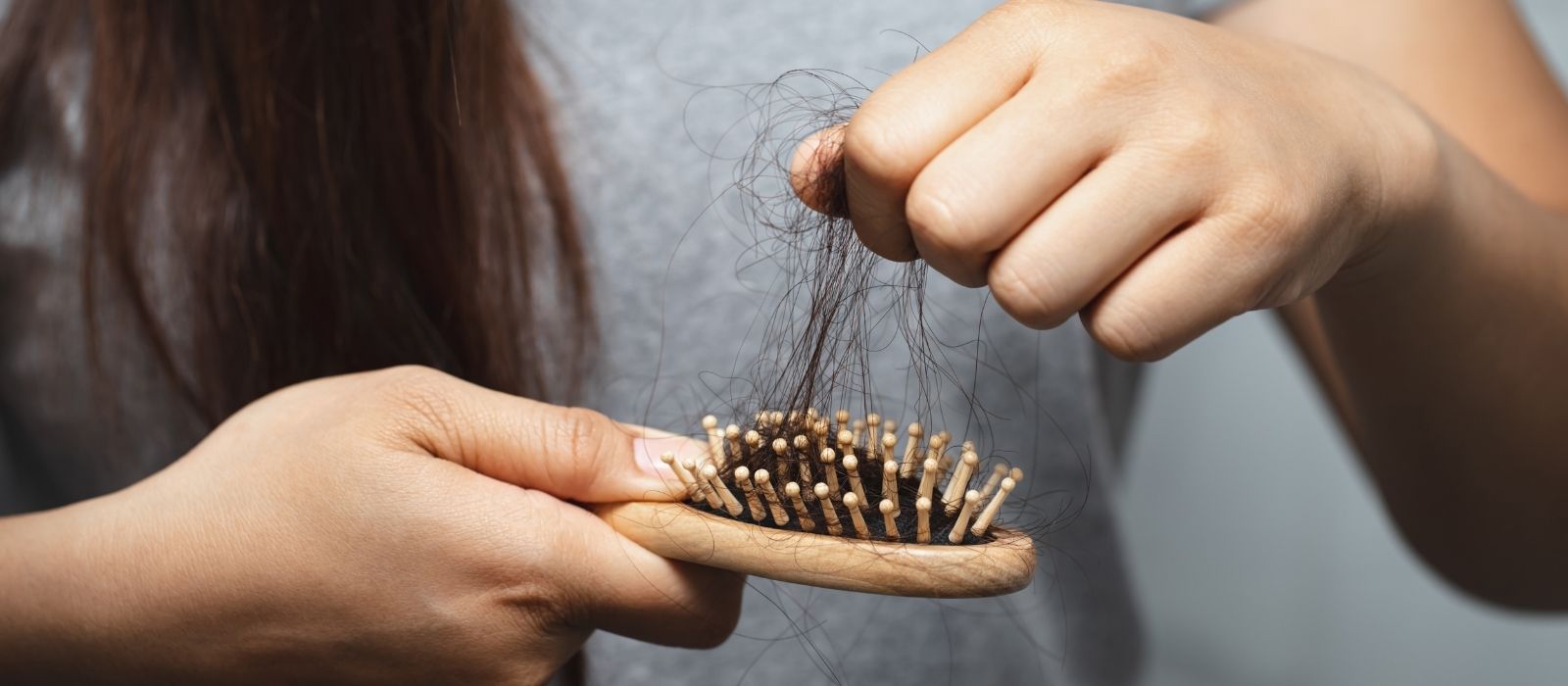
You catch your reflection and notice something different. Your ponytail feels smaller in your hand. The part in your hair looks wider than it used to. You're not imagining it — your hair is actually getting thinner.
Hair thinning affects 40% of women by age 40, but the causes aren't always obvious. Sometimes it's hormonal shifts happening behind the scenes. Other times it's damage you didn't realize you were causing. The key difference between temporary thinning and permanent loss comes down to whether your hair follicles are shrinking or just temporarily shocked into dormancy.
Understanding what's actually happening to your follicles determines whether you can reverse the thinning or need to focus on preventing more loss. Some causes respond to targeted treatments within months. Others require long-term management to slow progression.
Hormonal Changes That Shrink Hair Follicles
Androgenetic alopecia — female pattern hair loss — affects 50% of women over 50. It happens when dihydrotestosterone (DHT) binds to hair follicles and gradually shrinks them. Your follicles produce progressively thinner, shorter hairs until they stop producing hair entirely.
This type of thinning starts at the crown and spreads in a diffuse pattern. Unlike male pattern baldness with distinct receding areas, women typically see overall volume reduction with a widening part. Female pattern hair loss progresses slowly over years, making it easy to miss early stages.
Menopause accelerates this process. Estrogen levels drop while androgen sensitivity increases, creating the perfect conditions for follicle miniaturization. Perimenopause can trigger thinning even before periods stop completely.
Stress and Cortisol Disrupting Growth Cycles
Chronic stress pushes hair follicles into telogen (resting) phase prematurely. Instead of growing for 2-7 years, stressed follicles shut down after months. Three months later, you notice increased shedding and reduced density.
Elevated cortisol levels also reduce protein synthesis needed for strong hair growth. Your body prioritizes essential functions over hair production during sustained stress periods.
Physical stressors count too. Surgery, illness, crash diets, or extreme weight loss can trigger telogen effluvium — diffuse thinning that affects the entire scalp. This type usually reverses once the stressor resolves, but recovery takes 6-12 months.
Nutritional Deficiencies Weakening Hair Structure
Iron deficiency is the most common nutritional cause of hair thinning in women. Your hair follicles need adequate iron for proper cell division and protein synthesis. Even borderline low iron levels can disrupt growth cycles without causing anemia symptoms.
Iron deficiency hair loss appears as diffuse thinning with increased shedding. Ferritin levels below 30 ng/mL often correlate with hair loss, even when other iron markers look normal.
Protein deficiency also affects hair thickness. Hair is 95% protein, so inadequate intake forces your body to redirect protein to vital organs. Vegetarian and vegan diets require careful planning to maintain sufficient protein and iron levels for healthy hair growth.
Scalp Health Issues Blocking Growth
Inflammation around hair follicles restricts nutrient delivery and oxygen flow. Conditions like seborrheic dermatitis, psoriasis, or folliculitis create environments where hair can't grow properly.
Poor scalp health also allows product buildup and dead skin cells to clog follicles. This creates miniaturization similar to hormonal thinning but responds better to topical treatments.
Tight hairstyles cause traction alopecia — permanent follicle damage from repeated pulling. Thinning edges often result from braids, weaves, or ponytails worn too tightly over time.
What Actually Works for Thinning Hair
Minoxidil remains the most effective over-the-counter treatment for female pattern hair loss. The 5% foam version works better than 2% liquid for most women. Results appear after 3-4 months of consistent twice-daily application.
Prescription options include spironolactone, which blocks DHT at the follicle level, and finasteride (off-label for women). These require dermatologist supervision and aren't suitable during pregnancy or nursing.
Addressing underlying causes produces better long-term results than masking symptoms. Correcting iron deficiency, managing stress, and improving scalp massage techniques can restore thickness when follicles aren't permanently damaged.
Frequently Asked Questions
How do I know if my hair thinning is permanent or temporary?
Temporary thinning happens suddenly after stress, illness, or major life changes and affects the entire scalp evenly. Permanent thinning develops gradually over years, starting at the crown and temples with a widening part line.
Can hair thinning be reversed naturally?
Thinning caused by nutritional deficiencies, stress, or scalp inflammation often reverses with targeted treatment. Hormonal thinning from androgenetic alopecia requires medical intervention to slow progression and may not fully reverse without prescription treatments.
How long does it take to see results from hair thinning treatments?
Hair growth cycles take 3-6 months to show visible changes. Nutritional corrections and stress management may show improvement in 4-6 months, while medical treatments like minoxidil require 6-12 months of consistent use to evaluate effectiveness.
This article is for informational purposes only. It is not a substitute for professional medical advice, diagnosis, or treatment. Always consult a qualified healthcare provider before making changes to your health routine.