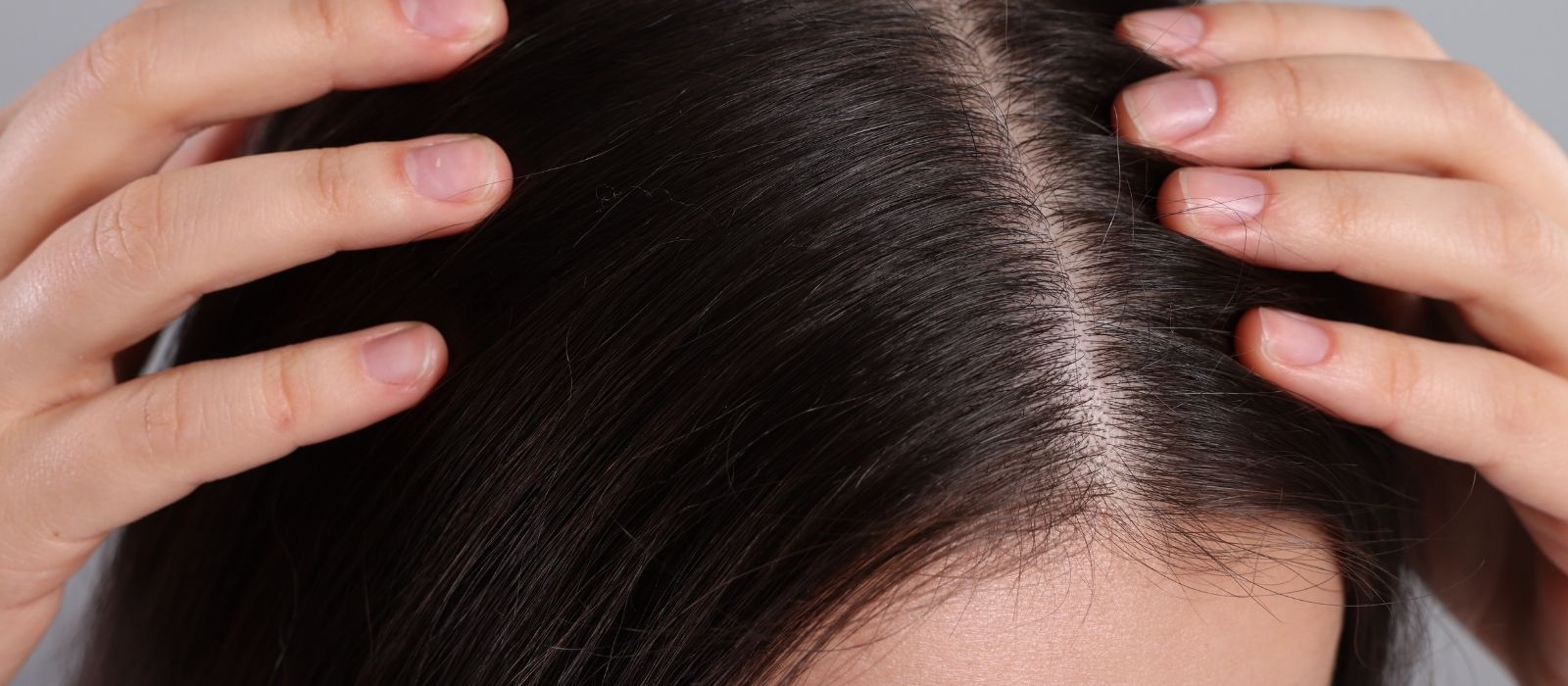
Can't tell if you have dry scalp vs dandruff? Here's how to spot the difference and what treatments actually work for each condition.
You scratch your head and find white flakes on your shoulders. Again. You've tried three different shampoos, but the problem keeps coming back. The real issue isn't finding the right product, it's that you're treating the wrong condition.
Dry scalp and dandruff look nearly identical but need completely different approaches. Use dandruff shampoo on a dry scalp, and you'll make the flaking worse. Moisturize actual dandruff, and you'll feed the problem. Here's how to tell which one you're dealing with and what actually fixes each.
The difference comes down to oil production and fungus. Dandruff happens when your scalp produces too much oil, creating the perfect environment for Malassezia yeast to overgrow. This yeast feeds on scalp oils and causes inflammation that speeds up skin cell turnover. You get thick, oily flakes that stick to your hair.
How to Tell the Difference Between Dry Scalp and Dandruff
Dry scalp flakes are small, white, and powdery. They fall off easily when you scratch and don't stick to your hair strands. Your scalp feels tight, sometimes itchy, but not inflamed. The flakes look like fine dust on your shoulders.
Dandruff flakes are larger, yellowish or white, and oily. They cling to your hair and scalp. Your scalp feels greasy at the roots even after washing, and you might notice redness or irritation. The flakes have a waxy texture when you rub them between your fingers.
Check your scalp directly under good lighting. Dry scalp looks normal but feels tight. Dandruff shows visible irritation, redness, or slight inflammation around hair follicles. If your scalp produces oil quickly after washing but still flakes, that's dandruff.
Why Dry Scalp Happens and How to Fix It
Dry scalp is exactly what it sounds like, not enough moisture. Cold weather, overwashing, harsh shampoos, or poor indoor air quality strip natural oils faster than your scalp can replace them.
The fix is straightforward: add moisture back. Wash less frequently with sulfate-free shampoo. Use a scalp moisturizer or light oil like jojoba between washes. Proper hair oiling can restore the scalp's natural barrier.
Why Dandruff Happens and What Actually Treats It
Dandruff isn't about dryness, it's about fungal overgrowth. The Malassezia yeast that lives naturally on your scalp multiplies when conditions are right: excess oil, hormonal changes, stress, or immune system changes. This creates inflammation that makes skin cells shed faster than normal.
Anti-fungal ingredients work because they target the root cause. Zinc pyrithione kills the yeast directly. Selenium sulfide slows cell turnover and has anti-fungal properties. Ketoconazole is the strongest option for stubborn cases.
Use dandruff shampoo 2-3 times per week, not daily. Leave it on your scalp for 5 minutes before rinsing. Alternate between different active ingredients if one stops working, the yeast can develop resistance.
When Treatment Isn't Working
If you've correctly identified your condition but treatments aren't helping after 6 weeks, other factors might be involved. High cortisol levels from stress can worsen both conditions. Hormonal changes, certain medications, or underlying skin conditions like psoriasis can mimic dandruff symptoms.
Product buildup from heavy styling products can also create flaking that looks like dandruff. Scalp buildup on natural hair is especially common and needs clarifying treatments, not anti-fungal shampoos.
Some people have combination issues, an oily scalp that's also dehydrated, or oily roots with dry ends. This requires treating each area differently: anti-fungal treatments on the scalp, moisturizing products on the lengths.
Prevention That Actually Works
For dry scalp, focus on gentle cleansing and consistent moisture. Don't overwash, use lukewarm water, and protect your scalp from harsh weather. A humidifier helps during winter months.
For dandruff, manage oil production without stripping your scalp completely. Wash regularly but not daily. Scalp massage improves circulation and can help distribute natural oils evenly.
Both conditions respond well to stress management and good overall scalp health. Your scalp reflects your internal health just like facial skin does.
Frequently Asked Questions
Can you have both dry scalp and dandruff at the same time?
Yes, but it's rare. You might have dandruff in oily areas like the crown while experiencing dryness at the hairline or nape. Treat each area according to its specific needs rather than using one product everywhere.
How long does it take to clear dry scalp vs dandruff?
Dry scalp usually improves with consistent moisturizing. Dandruff typically requires regular anti-fungal treatment to clear completely. If you don't see improvement after 6 weeks, you might be treating the wrong condition.
Do expensive scalp treatments work better than drugstore options?
Not necessarily. For dry scalp, simple oils like jojoba or coconut work as well as expensive scalp serums. For dandruff, drugstore shampoos with zinc pyrithione or selenium sulfide are just as effective as salon brands. The active ingredient concentration matters more than the price.
This article is for informational purposes only. It is not a substitute for professional medical advice, diagnosis, or treatment. Always consult a qualified healthcare provider before making changes to your health routine.