Learn what hair oiling actually does for your scalp and strands, plus how to do it right for your hair type without making common mistakes.
Your grandmother swears by it. Your favorite influencer posts about it weekly. But when you tried oiling your hair last month, you ended up with greasy strands that took three washes to clean out.
The problem isn't that hair oiling doesn't work. It's that most people are doing it wrong or expecting it to solve problems it can't fix. Hair oiling isn't magic — it's moisturization and protection, but only when you match the right oil to your hair's actual needs.
Here's what matters: oiling your hair creates a protective barrier that reduces moisture loss and friction damage. It doesn't make hair grow faster, but it does prevent the breakage that keeps you from seeing length. The key is understanding what your hair can actually absorb versus what just sits on top looking greasy.
What Hair Oiling Actually Does to Your Strands
Hair oil works in two ways. Light oils with smaller molecules — like argan, jojoba, and fractionated coconut oil — can penetrate the hair shaft and fill in gaps in damaged cuticles. Heavier oils like castor, olive, and regular coconut oil mostly coat the outside of your hair, creating a protective layer.
The coating effect reduces friction between strands when you sleep, brush, or style. Less friction means less breakage. That's why people who oil consistently see improved length retention, not faster growth. Your hair grows at the same rate — you're just keeping more of what grows.
Oil also slows down moisture evaporation from your hair shaft. Think of it like putting a lid on a pot of water. The water doesn't disappear as quickly. This is especially helpful if you have high porosity hair that loses moisture fast, or if you live in dry climates.
Why Most People Get Hair Oiling Wrong
The biggest mistake is using too much oil. Your hair can only absorb so much before it becomes saturated. After that point, excess oil just sits on your scalp and strands, looking greasy and attracting dirt.
Start with a teaspoon for shoulder-length hair. You can always add more, but you can't take it back without washing. Focus the oil on your mid-lengths and ends first — these are the oldest, most damaged parts of your hair that need protection most.
Scalp oiling is different from hair oiling, but people often confuse them. If your scalp is healthy, it doesn't need oil. Oiling an already balanced scalp can clog follicles and cause buildup. Only oil your scalp if it's genuinely dry and flaky, not if you're trying to stimulate growth.
How to Oil Your Hair the Right Way
Choose your oil based on your hair's porosity and texture. Low porosity hair repels most oils, so stick to light ones like argan or jojoba applied sparingly to damp hair. High porosity hair drinks up heavier oils like coconut or olive oil.
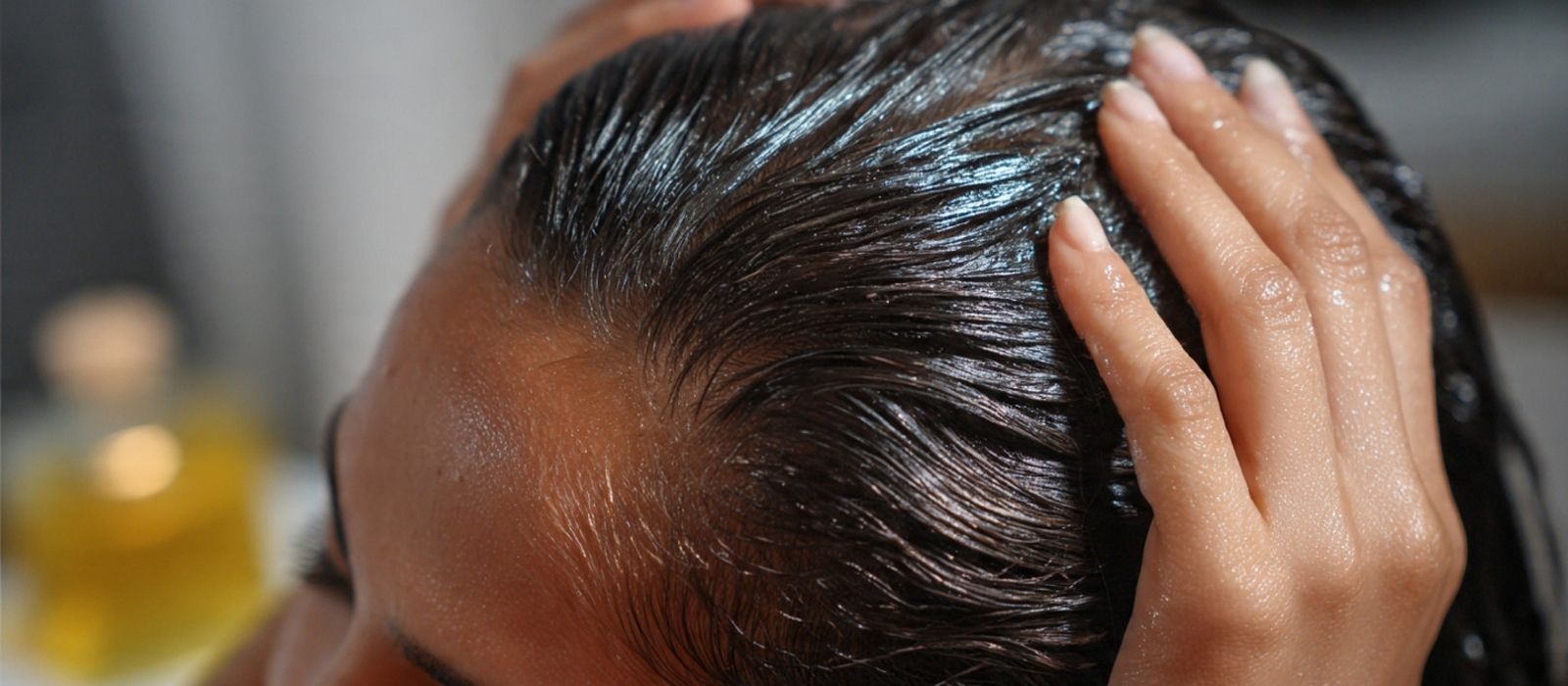
Apply oil to slightly damp hair, not soaking wet or bone dry. Damp hair allows better distribution and prevents the oil from just sitting on top. Work the oil through with your fingers or a wide-tooth comb, concentrating on areas that tend to be driest.
Leave it on for 30 minutes to 2 hours max for most hair types. Overnight treatments work for very dry, coarse, or chemically damaged hair, but they're overkill for most people. The longer you leave oil on, the more likely you are to experience scalp buildup.
Wash it out with a clarifying shampoo or regular shampoo applied twice. Don't skip shampoo and try to rinse with just water — you'll end up with residue that makes your hair look dull and feel heavy.
When Hair Oiling Won't Help
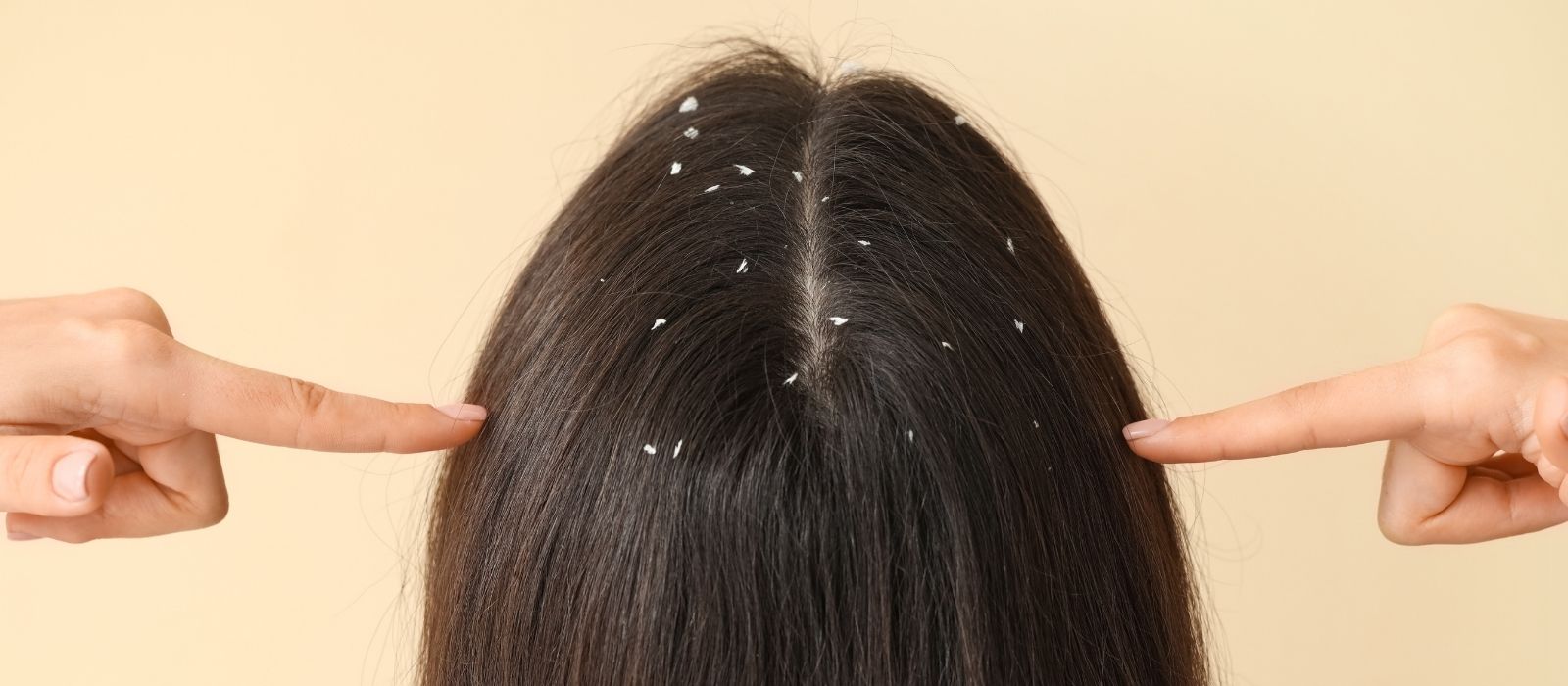
Oil can't fix hair that's breaking due to chemical damage, heat styling, or stress-related hair loss. It also won't cure dandruff, seborrheic dermatitis, or other scalp conditions that need medical treatment.
If your hair feels dry after washing but looks greasy when you add oil, the problem might be product buildup or damaged cuticles that can't absorb moisture properly. The right oiling method depends on identifying what's actually wrong first.
FAQ
does oiling hair make it grow faster
No, hair oiling doesn't speed up growth. Your hair grows from the follicle at a rate determined by genetics, hormones, and overall health. Oil helps prevent breakage so you retain more length, but it doesn't change your growth rate.
how often should you oil your hair
Once or twice a week maximum for most hair types. Dry, coarse, or chemically treated hair might benefit from twice weekly oiling. Fine or oily hair should stick to once a week or less. More isn't better — excess oil causes buildup.
what happens if you leave oil in your hair too long
Leaving oil in your hair for days attracts dirt and bacteria, can clog hair follicles, and makes your hair look greasy and feel heavy. It doesn't provide extra benefits beyond the first few hours and makes the oil harder to wash out completely.
This article is for informational purposes only. It is not a substitute for professional medical advice, diagnosis, or treatment. Always consult a qualified healthcare provider before making changes to your health routine.