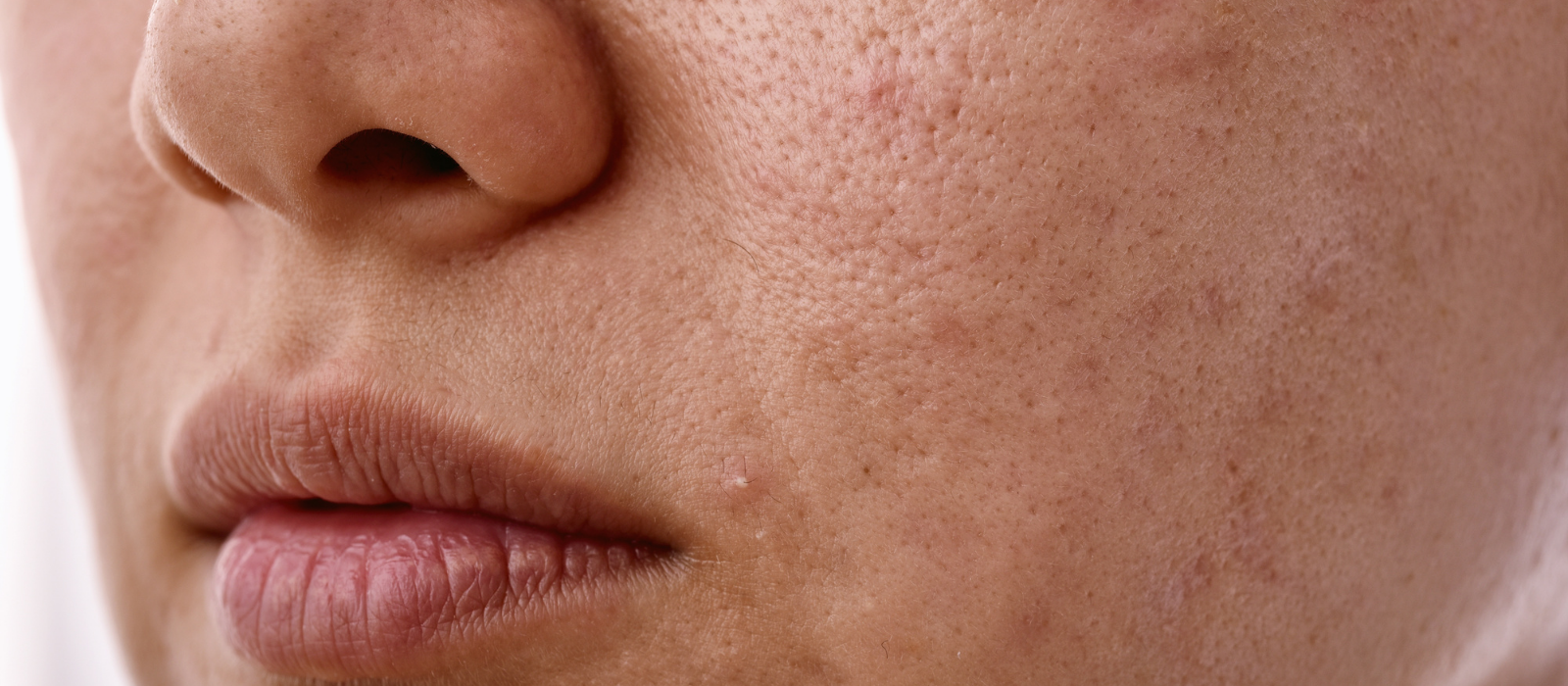
Random bumps on your face? Learn to identify whiteheads, blackheads, milia, and keratosis pilaris. Get proven treatments that actually work for each type.
You wake up, look in the mirror, and there they are. Small bumps scattered across your forehead, chin, or cheeks that weren't there yesterday. They're not exactly pimples, but they're definitely not normal skin either.
The problem is that not all bumps are the same, and treating them wrong makes them stick around longer or multiply. What looks like acne might be milia. Those rough patches could be keratosis pilaris. That cluster near your hairline might be fungal acne masquerading as regular breakouts.
Here's what matters: identifying the type of bump determines everything about how you treat it. Use salicylic acid on milia and you'll waste months. Try retinol on fungal acne and you'll feed the problem. Get the identification right first, then the treatment becomes straightforward.
The Most Common Types of Facial Bumps
Whiteheads appear as small, flesh-colored or white bumps with a visible head. They're clogged pores filled with oil, dead skin cells, and bacteria. The plug sits close to the surface, which is why you can see the white or yellowish center. These typically show up on your T-zone, chin, and anywhere you produce more oil.
Blackheads look like tiny dark dots embedded in your pores. The dark color isn't dirt, it's oxidized oil and dead skin cells that have been exposed to air. Sebaceous filaments often get mistaken for blackheads, but they're actually normal pore structures that look grayish and feel smooth.
Milia are hard, white bumps that don't have an opening to the surface. They're keratin-filled cysts that form when dead skin cells get trapped beneath the surface instead of shedding normally. You can't squeeze them out because there's no pore opening. They commonly appear around the eyes, on the cheeks, and on the nose.
Closed comedones look like small, flesh-colored bumps without a visible head. They're clogged pores where the opening has closed over, trapping oil and debris inside. These feel rough when you run your finger over them and often cluster together on the forehead and chin.
When Bumps Aren't Actually Acne
Keratosis pilaris creates clusters of small, rough bumps that feel like sandpaper. It's caused by keratin buildup around hair follicles and typically appears on the upper arms, but it can show up on the face, especially along the jawline and cheeks. The bumps are usually skin-colored or slightly red and don't respond to typical acne treatments.
Fungal acne looks like small, uniform bumps that are itchy and tend to cluster in the same areas. Unlike bacterial acne, these bumps are all roughly the same size and don't come to a head. They thrive in warm, humid conditions and often get worse with traditional acne treatments that feed the fungus.
Contact dermatitis from skincare products can cause small bumps, redness, and irritation. This happens when your skin reacts to an ingredient, and the bumps usually appear within 24-48 hours of using a new product. The pattern often matches where you applied the product.
Treatment Strategies That Actually Work
For whiteheads and blackheads, salicylic acid works by dissolving the oil and dead skin cells clogging your pores. Use a 2% salicylic acid cleanser or leave-on treatment. Start every other day to avoid irritation, then work up to daily use. Results typically show up within 4-6 weeks.
Milia require patience because you can't extract them at home safely. Retinol helps by speeding up cell turnover, which eventually pushes the trapped keratin to the surface. Start with a low concentration and expect to wait 8-12 weeks for improvement.
Keratosis pilaris responds to gentle physical exfoliation combined with chemical exfoliants. Use a washcloth or soft brush with a gentle cleanser, followed by a product containing lactic acid or urea. Avoid harsh scrubs that make the bumps more inflamed.
For fungal acne, antifungal ingredients like ketoconazole or pyrithione zinc are necessary. Regular acne treatments won't work and might make it worse. You can find these ingredients in dandruff shampoos that you can use as a face wash 2-3 times per week.
Your skin health connects to your overall health, so persistent bumps might signal hormonal changes, dietary triggers, or stress. If over-the-counter treatments don't work after 8-10 weeks, see a dermatologist for prescription options or to rule out underlying conditions.
Frequently Asked Questions
Why do I keep getting small bumps on my forehead that won't go away?
Persistent forehead bumps are usually closed comedones caused by hair products, heavy moisturizers, or bangs trapping oil and sweat against your skin. Switch to non-comedogenic products and try salicylic acid treatment for 6-8 weeks.
Can I pop the white bumps on my face or will it make them worse?
Only pop whiteheads that have a clear white head visible at the surface. Use clean hands, gentle pressure, and stop if nothing comes out easily. Never try to pop milia or closed comedones, you'll risk scarring and infection.
How long does it take for facial bumps to clear up with treatment?
Whiteheads and blackheads typically improve within 4-6 weeks with consistent treatment. Milia take 8-12 weeks with retinol. Keratosis pilaris shows improvement in 6-8 weeks but requires ongoing maintenance to prevent return.
This article is for informational purposes only. It is not a substitute for professional medical advice, diagnosis, or treatment. Always consult a qualified healthcare provider before making changes to your health routine.