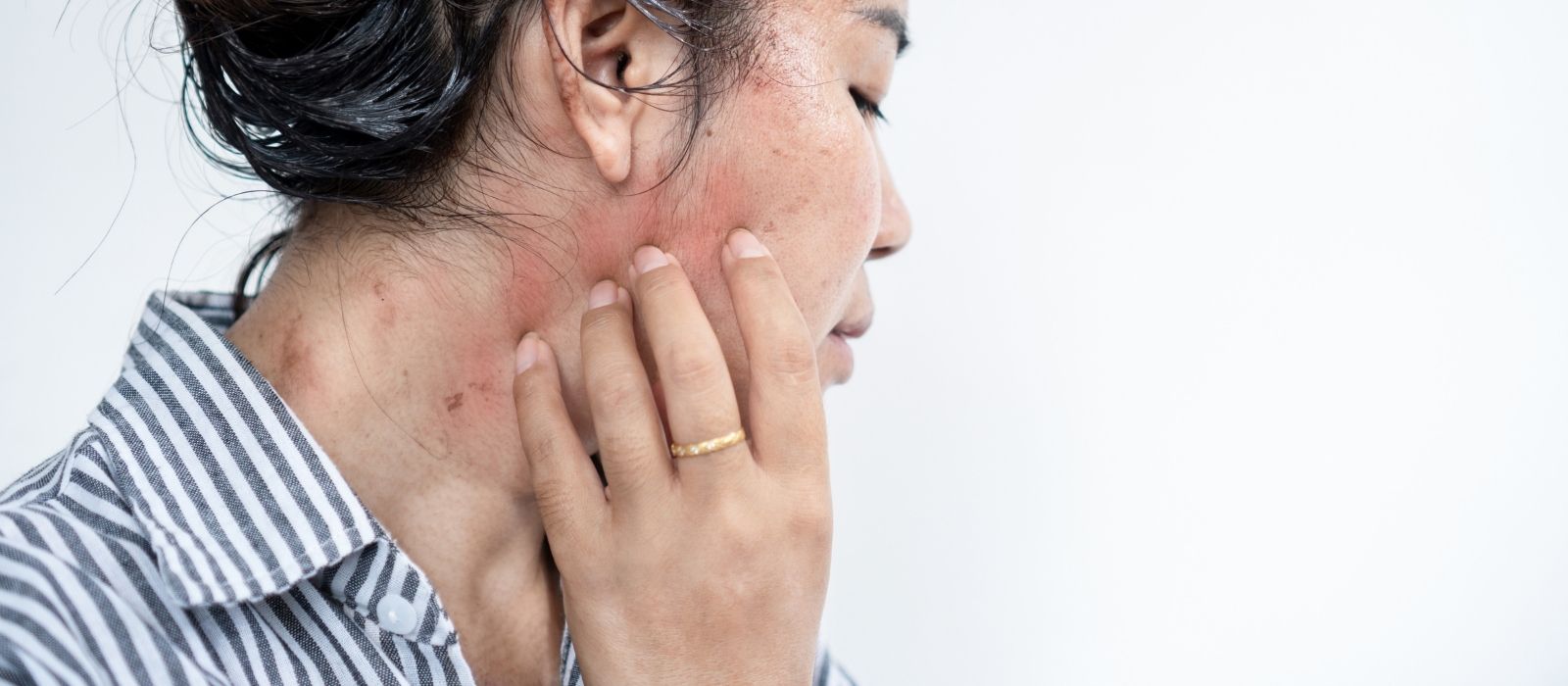
Cortisol wreaks havoc on your skin and hair through inflammation, oil production, and collagen breakdown. Here's what's really happening and how to fix it.
Your skin breaks out before big presentations. Your hair falls out more during stressful months. That patch of eczema flares when work gets overwhelming. You've probably blamed stress, but the real culprit is cortisol, and it's doing more damage than you realize.
Cortisol effects on skin and hair go beyond temporary breakouts. This stress hormone rewrites how your skin cells behave, disrupts your hair growth cycle, and creates a cascade of problems that persist long after the stressful event ends. The worst part? Most people try to fix the symptoms instead of addressing why cortisol stays elevated in the first place.
Here's what matters: cortisol doesn't just cause acne and hair loss. It fundamentally changes your skin's barrier function, collagen production, and healing capacity. It shifts your hair follicles into a resting phase and keeps them there. These aren't cosmetic annoyances, they're your body's way of telling you something needs to change.
What Cortisol Actually Does to Your Skin
Cortisol triggers your sebaceous glands to pump out more oil, which is why you break out during finals week or job interviews. But that's just the surface level. Elevated cortisol also suppresses your immune system's ability to fight the bacteria that cause acne, creating deeper, more inflamed breakouts that take longer to heal.
Research from the University of California found that cortisol breaks down collagen and elastin faster than your body can replace them. This means chronic stress literally ages your skin. Fine lines deepen, skin loses elasticity, and wounds heal slower. You're not imagining that your skin looks older after stressful periods, it actually is.
Cortisol also disrupts your skin barrier by reducing ceramide production. Ceramides are the lipids that keep moisture in and irritants out. Without enough of them, your skin becomes more sensitive, drier, and prone to conditions like eczema and dermatitis. This explains why unhealed emotional stress often manifests as chronic skin problems.
How Stress Hormones Disrupt Hair Growth
Your hair follicles have cortisol receptors, which means stress hormones directly impact hair growth. When cortisol levels spike, it pushes hair follicles from the growth phase into the resting phase prematurely. This is called telogen effluvium, and it's why stress causes hair loss about three months after the stressful event.
But cortisol doesn't just cause temporary shedding. Chronic elevation can miniaturize hair follicles, making new growth thinner and weaker. It also increases sensitivity to dihydrotestosterone (DHT), the hormone responsible for pattern hair loss in women. This is why women experiencing chronic stress often notice their hairline receding or their part getting wider.
Cortisol also affects scalp health by increasing inflammation and oil production on your scalp, just like it does on your face. This creates an environment where yeast and bacteria thrive, leading to dandruff, seborrheic dermatitis, and other scalp problems that interfere with healthy hair growth.
Why Most Cortisol-Lowering Advice Doesn't Work
You've probably read that meditation, exercise, and better sleep lower cortisol. That's true, but most people approach it backwards. They try to add stress-reducing activities to an already overwhelming schedule. This creates more stress, not less.
The most effective approach starts with removing cortisol triggers, not adding relaxation techniques. Caffeine after 2 PM, blood sugar spikes from skipping meals, and chronic dehydration all elevate cortisol. Fix these first.
Sleep quality matters more than sleep quantity for cortisol regulation. A study from the NIH found that people who woke up frequently during the night had higher cortisol levels than those who slept fewer hours but slept deeply. This means addressing sleep disruptions should be your priority, not just getting eight hours.
What Actually Lowers Cortisol Long-Term
Magnesium glycinate taken 30-60 minutes before bed helps regulate cortisol's natural rhythm. The Cleveland Clinic recommends 200-400mg daily for adults. Unlike melatonin, which can disrupt your natural sleep cycle, magnesium supports your body's existing cortisol patterns.
Cold exposure works, but not how most people think. Brief cold showers or ice baths create acute stress that actually improves your stress response over time. But sitting in chronic low-level stress from work, relationships, or finances keeps cortisol elevated. Address the chronic stressors first.
Consistent meal timing regulates cortisol better than any specific diet. Your body releases cortisol when blood sugar drops, so eating at the same times daily prevents these spikes. Protein at breakfast is especially important, it keeps cortisol from spiking in response to morning blood sugar fluctuations.
Regular scalp massage can help too. Proper scalp massage reduces local cortisol levels and improves blood flow to hair follicles. It won't fix systemic stress, but it helps minimize cortisol's impact on your hair.
FAQ
How long does it take for skin and hair to improve after lowering cortisol
Your skin typically starts improving within 2-4 weeks of consistently lower cortisol levels. Hair takes longer, you'll see new growth at 3-4 months, but it takes 6-12 months to see significant thickness and length changes since hair grows slowly.
Can cortisol cause permanent hair loss
Cortisol-related hair loss is usually reversible if you address it within the first year. However, chronic elevation over several years can cause permanent miniaturization of hair follicles, especially in women genetically prone to pattern hair loss.
What cortisol levels are too high for skin and hair health
Normal morning cortisol ranges from 10-20 mcg/dL, dropping to 3-10 mcg/dL by evening. Consistently elevated levels above 25 mcg/dL in the morning or above 15 mcg/dL in the evening typically cause noticeable skin and hair problems.
This article is for informational purposes only. It is not a substitute for professional medical advice, diagnosis, or treatment. Always consult a qualified healthcare provider before making changes to your health routine.