Your scalp condition directly controls hair growth speed and quality. Learn how scalp health affects follicles and what fixes actually work for stronger hair.
You treat your face like precious real estate but ignore the skin on your scalp completely. That neglect shows up in your hair growth in ways you probably don't connect. When your scalp is inflamed, clogged, or imbalanced, your hair follicles can't function properly. The result isn't just slower growth, it's weaker strands, increased shedding, and hair that breaks before it reaches its potential length.
The scalp health and hair growth connection works through blood flow, follicle environment, and cellular turnover. A healthy scalp creates the conditions hair needs to grow strong and fast. An unhealthy one creates barriers that stunts growth no matter what products you layer on your lengths.
Your scalp is skin. It has the same needs as facial skin, proper cleansing, balanced oil production, and protection from irritation. But unlike your face, it's covered by hair that traps dirt, oil, and product buildup.
Dead skin cells don't shed as easily. Inflammation stays hidden under your hair where you can't see it building up.
How Your Scalp Actually Controls Hair Growth
Hair follicles need three things to produce healthy strands: adequate blood flow, a clean environment, and balanced sebum production. When your scalp is congested or inflamed, all three get compromised.
Inflammation around hair follicles disrupts the growth cycle. Research from the International Journal of Trichology shows that scalp inflammation can push follicles into the resting phase prematurely, shortening the time hair spends actively growing. This means strands don't reach their full length potential before shedding.
Clogged follicles from product buildup, excess oil, or dead skin create a breeding ground for bacteria and yeast. The resulting irritation weakens the hair shaft at its most vulnerable point, right where it emerges from the follicle. Scalp buildup on natural hair is especially problematic because textured hair already grows more slowly than straight hair.
Poor circulation limits the nutrients and oxygen reaching hair follicles. When blood flow is restricted by tension, inflammation, or damaged blood vessels, follicles can't produce strong keratin fibers. The hair that does grow comes out thinner and more prone to breakage.
Signs Your Scalp Is Sabotaging Your Hair Growth
Visible flaking isn't the only sign of scalp problems. Itching that persists after washing, tenderness when you touch your scalp, or hair that feels different at the roots all indicate issues that affect growth.
Hair that breaks easily near the scalp suggests follicle inflammation. If you notice short, broken hairs clustered around your hairline or crown, your scalp environment likely needs attention. Excessive shedding versus normal hair loss can also indicate scalp health problems.
Oily roots with dry ends signal an imbalanced scalp. When sebaceous glands overproduce oil to compensate for irritation or dryness, the excess oil can clog follicles while the hair lengths remain undernourished. This pattern often develops from overwashing or using harsh products that strip natural oils.
What Actually Improves Scalp Health for Better Growth
Gentle, consistent cleansing removes buildup without triggering oil overproduction. Washing every 2-3 days with a sulfate-free shampoo keeps follicles clear without over-stripping. Focus shampoo on your scalp, not your hair lengths.
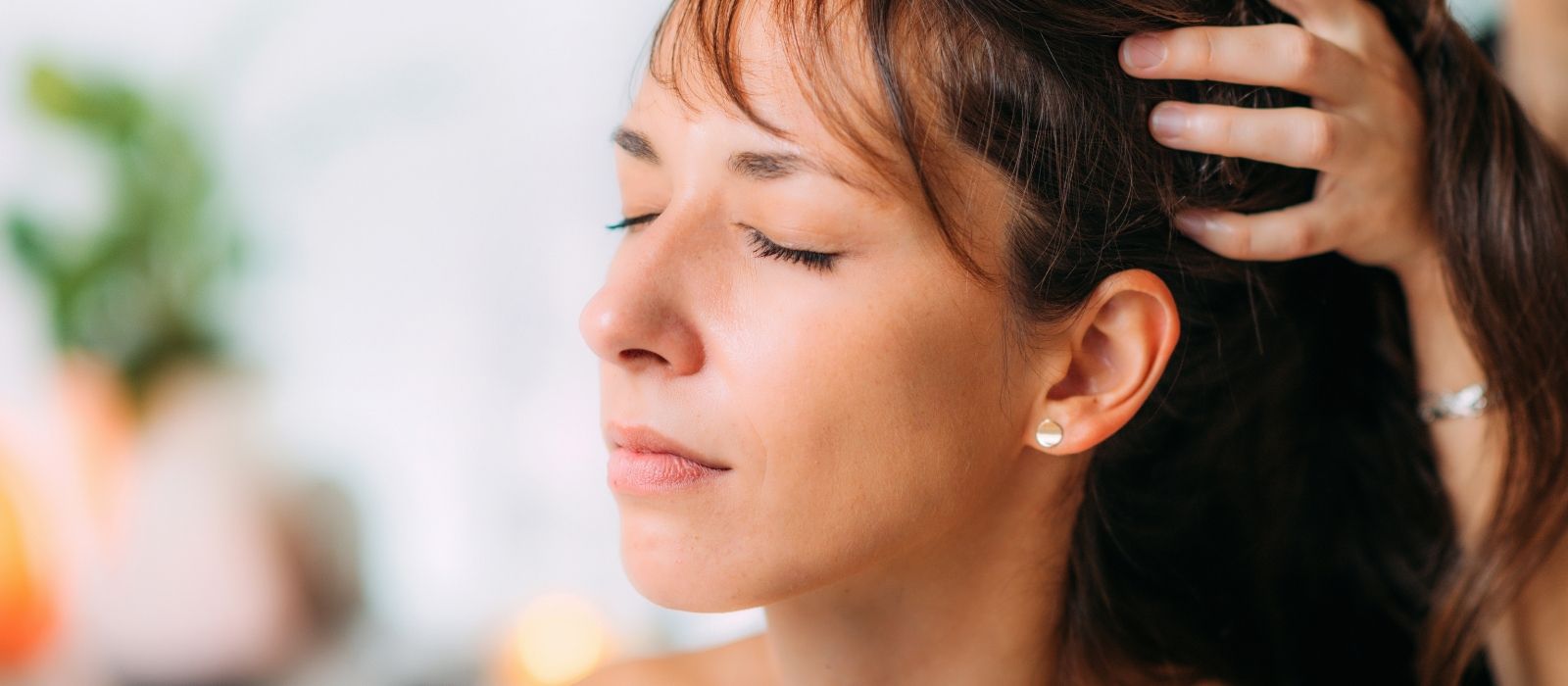
Regular scalp massage increases blood flow to follicles. A study in Dermatology and Therapy found that 4 minutes of daily scalp massage increased hair thickness in men with androgenetic alopecia. Proper massage technique matters more than duration.
Chemical exfoliation removes dead skin cells that manual scrubbing can't reach. Salicylic acid at concentrations between 0.5-2% dissolves the bonds between dead cells without irritating the scalp. Use it once weekly if you have product buildup or persistent flaking.
Pre-shampoo oil treatments protect the scalp from harsh cleansing while nourishing follicles. Jojoba oil most closely mimics natural sebum and won't clog pores. Apply to dry scalp, massage gently, then shampoo as normal.
Stress management directly impacts scalp health. Elevated cortisol increases scalp inflammation and disrupts the hair growth cycle. Regular exercise, adequate sleep, and stress-reduction techniques improve both scalp condition and hair quality.
Frequently Asked Questions
How long does it take to see hair growth improvements after fixing scalp health?
You'll notice reduced shedding and improved hair texture within 4-6 weeks of addressing scalp issues. New growth length takes 3-6 months to become visible since hair grows approximately half an inch per month and needs to emerge from the follicle before you can measure it.
Can scalp problems cause permanent hair loss?
Most scalp issues cause temporary hair loss that reverses once the underlying problem is treated. However, severe or chronic inflammation can damage follicles permanently. Scarring alopecia from untreated scalp conditions like folliculitis or severe dermatitis can cause permanent bald patches.
Should I see a dermatologist for scalp problems or try home treatments first?
See a dermatologist if you have persistent itching, visible inflammation, hair loss in patches, or symptoms that don't improve after 4-6 weeks of consistent scalp care. Sudden hair loss, especially with scalp pain or unusual shedding patterns, needs professional evaluation to rule out underlying conditions.
This article is for informational purposes only. It is not a substitute for professional medical advice, diagnosis, or treatment. Always consult a qualified healthcare provider before making changes to your health routine.