Greasy roots and dry ends in summer isn't a product problem. It's a seasonal biology problem. Here's what's happening.
Most hair care advice treats summer like it's just hot winter. Use lighter products, wash more often, protect from sun. But the oily scalp, dry ends combo that peaks in summer isn't a product mismatch. It's biology responding to heat in ways that split your hair into two different climates.
Your scalp produces more oil when it's hot because sebaceous glands are temperature-sensitive. Meanwhile, humidity pulls moisture from your hair shaft while UV breaks down the proteins that hold moisture in. Heat accelerates both processes, which is why the problem gets worse as temperatures climb.
The result: roots that feel greasy by noon and ends that look fried by August. Different problems requiring different solutions, happening on the same head.
Why Heat Makes Your Scalp Produce More Oil
Sebaceous glands increase oil production when your core body temperature rises. It's not about the air temperature, it's about your internal thermostat. When you're hot, your scalp tries to create a protective barrier against heat stress by ramping up sebum production.
This happens faster in summer because you're spending more time in heat. Walking to your car, sitting by windows, being outside longer. Each temperature spike signals your scalp to produce more oil. By mid-July, your sebaceous glands are in overdrive.
Humidity makes this worse by preventing sweat evaporation. When sweat sits on your scalp, it mixes with sebum to create that heavy, greasy feeling. The oil doesn't just increase, it becomes more noticeable because it can't evaporate naturally.
How UV and Humidity Strip Moisture From Your Length
While your scalp is producing extra oil, UV radiation is breaking down the proteins in your hair cuticle. Think of it like sun damage on skin, but for the outer layer of your hair shaft. Once those proteins weaken, moisture escapes more easily.
Humidity compounds this by creating a moisture imbalance. High humidity draws water out of your hair and into the air through a process called osmosis. Your hair gives up its internal moisture to match the environment around it. The same thing happens in reverse during winter, but summer's combination of heat and humidity creates a perfect storm for dryness.
Pool chlorine and salt water accelerate protein breakdown. Even occasional swimming can weaken your hair cuticle enough to let moisture escape for weeks afterward. The damage accumulates over the summer, which is why your ends look progressively worse as the season continues.
Why Standard Summer Hair Advice Doesn't Work
Most summer hair tips focus on washing frequency or product weight. Use clarifying shampoo more often, switch to lightweight conditioner, avoid heavy oils. This treats the symptoms but ignores the underlying biology.
Washing your roots more often can help with excess oil, but it doesn't address why your scalp is producing more in the first place. Meanwhile, using lighter products on dry ends just means less protection when you need more. You end up with clean roots that get oily again within hours and ends that feel stripped.
The real problem is treating your scalp and ends like they have the same needs. In summer, they don't. Your scalp needs oil control while your ends need intensive moisture repair. Most routines try to find a middle ground that satisfies neither.
A Two-Zone Approach That Actually Works
Treat your scalp and length as separate areas with different needs. Apply products strategically rather than working everything through from root to tip.
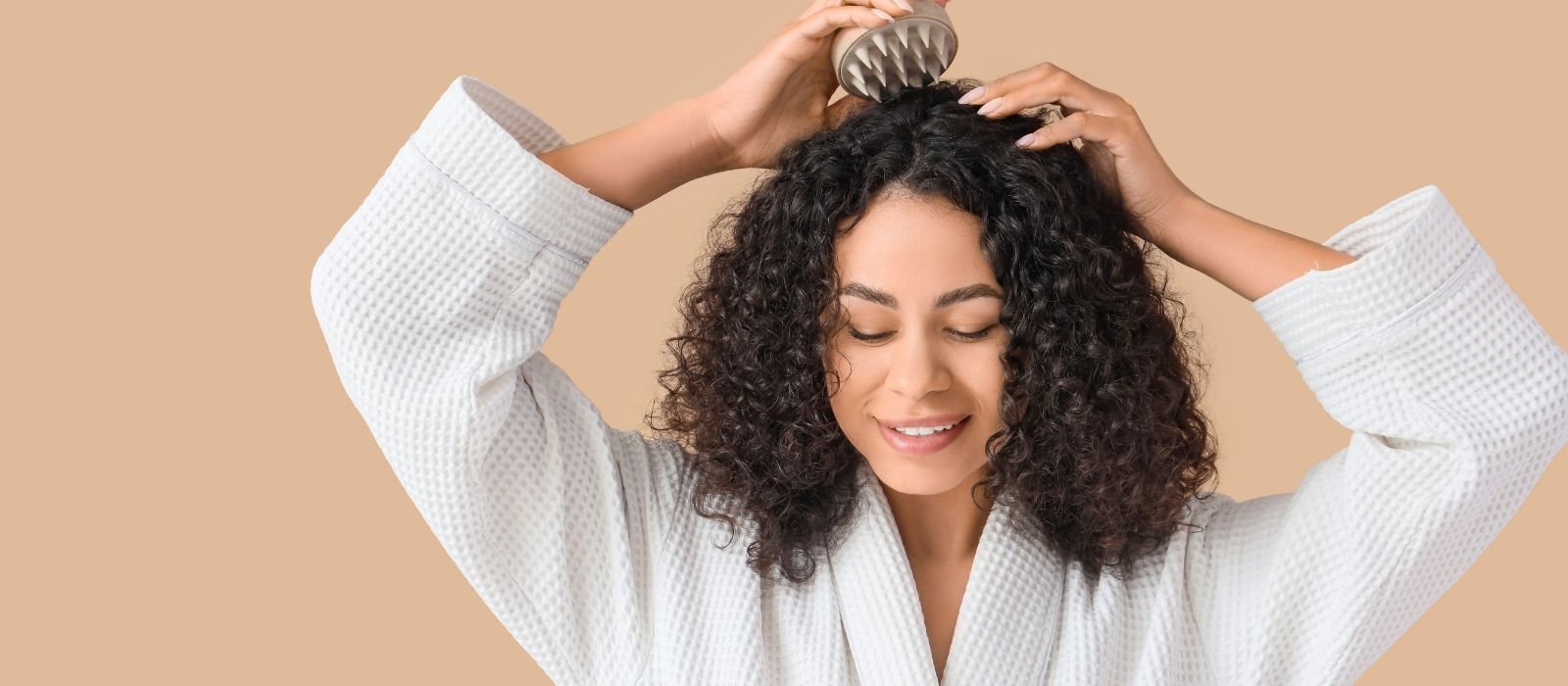
For your scalp: Use a gentle cleanser with salicylic acid twice a week to control oil buildup without stripping. On other days, rinse with water and massage your scalp to distribute natural oils down the shaft. A targeted scalp routine controls excess sebum without over-cleansing.
For your ends: Apply a protein-rich mask weekly to repair UV damage and rebuild the cuticle structure. Use a leave-in treatment with UV protection before sun exposure. Focus moisture treatments on the bottom half of your hair, avoiding the roots entirely.
The timing matters too. Your scalp produces the most oil during peak heat hours (10 AM to 4 PM). If you're washing in the morning, you're fighting an uphill battle. Evening washing lets you start the next day with less oil buildup.
Frequently Asked Questions
Should I Wash My Hair Every Day in Summer If My Scalp Gets Oily?
Daily washing can increase oil production by signaling your scalp to replace the oil you're removing. Try washing every other day and using dry shampoo on alternate days to absorb excess oil without triggering more production.
Why Do My Ends Still Look Dry Even When I Use Heavy Conditioner?
Heavy conditioner on damaged hair cuticles is like trying to fill a leaky bucket. You need to repair the protein structure first with treatments containing keratin or amino acids, then follow with moisture. UV damage requires rebuilding, not just hydrating.
Can Drinking More Water Help with Dry Ends in Summer?
Internal hydration doesn't directly affect hair moisture since hair is essentially dead tissue. The dryness comes from external damage to the cuticle structure. Focus on topical treatments and UV protection rather than increasing water intake for hair benefits.
This article is for informational purposes only. It is not a substitute for professional medical advice, diagnosis, or treatment. Always consult a qualified healthcare provider before making changes to your health routine.