Skip the gimmicks. These dermatologist-approved home remedies for skin and hair problems actually work, backed by science, not social media trends.
Your grandmother swore by honey masks. Your friend insists rice water transformed her hair. Your feed is flooded with turmeric face masks and oil pulling testimonials. But here's what nobody tells you: most viral home remedies do absolutely nothing, and some make problems worse.
The ones that actually work have something the trending remedies don't, decades of research backing them up. Dermatologists don't dismiss home remedies entirely. They dismiss the ones without evidence while quietly recommending the handful that deliver measurable results.
Real home remedies for skin and hair problems that actually work don't promise overnight miracles. They work slowly, address root causes, and complement professional treatments instead of replacing them. The difference between effective remedies and social media trends comes down to one thing: science.
Which Home Remedies Actually Have Research Behind Them
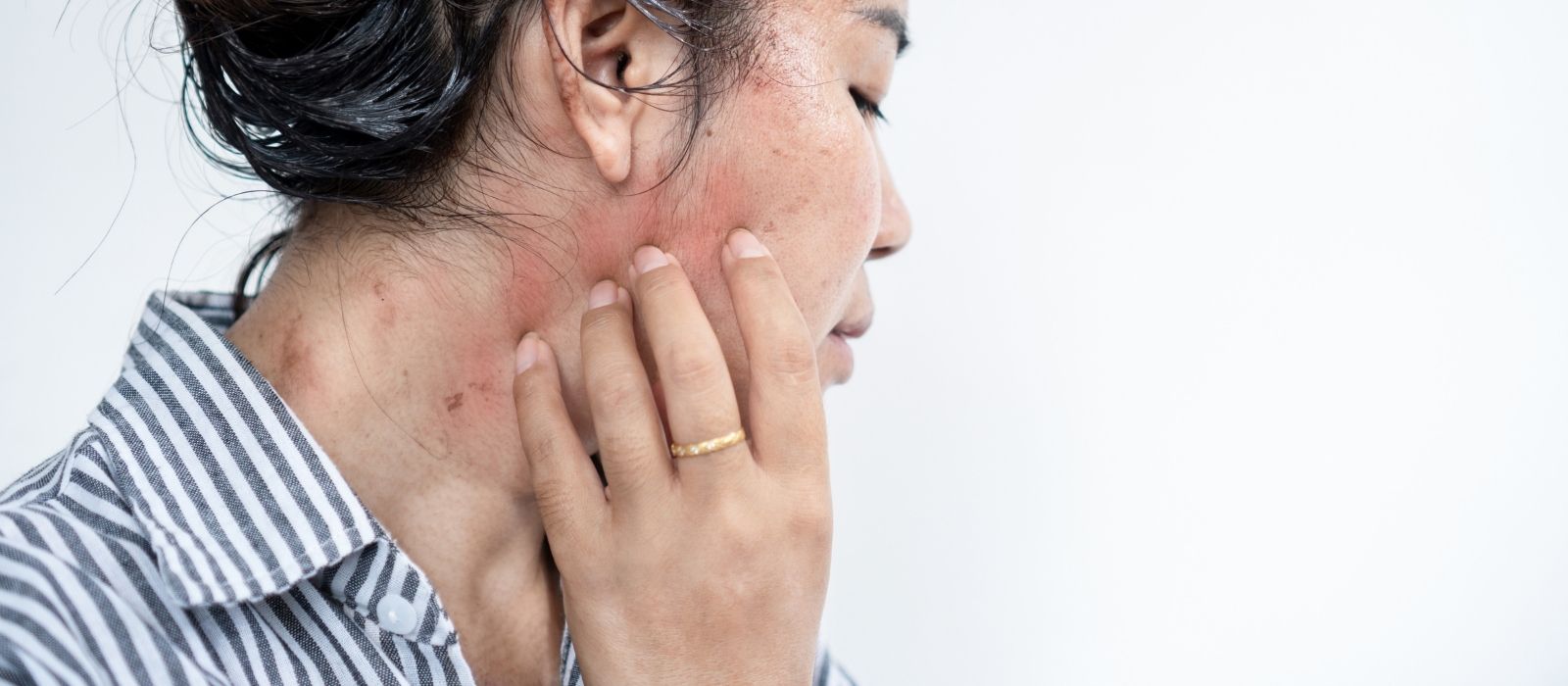
Oatmeal baths reduce eczema inflammation according to research published in the Journal of Drugs in Dermatology showing oat-based treatments can provide relief for inflammatory skin conditions. The beta-glucan in oats creates a protective barrier while reducing immune system overreaction. Grind plain oats into powder, add to lukewarm bath water, and soak for 15 minutes. Skip flavored varieties, they contain irritating fragrances.
Green tea compresses shrink under-eye puffiness because caffeine constricts blood vessels temporarily. Steep two bags for 5 minutes, cool in the fridge for 20 minutes, then press gently under eyes for 10 minutes. The Cleveland Clinic confirms this works, but only for temporary puffiness from poor sleep or salt retention, not permanent bags from aging.
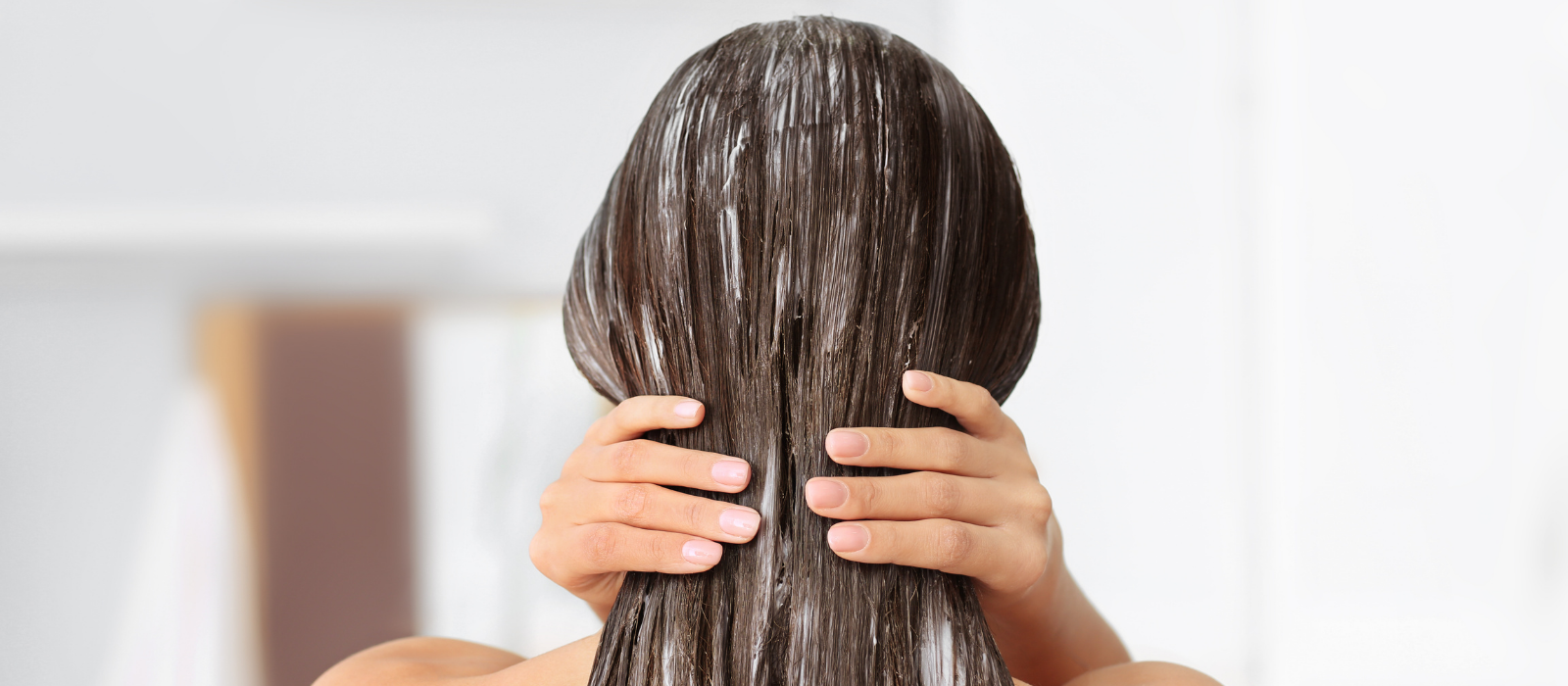
Coconut oil prevents hair protein loss compared to other oils according to research published in the Journal of Cosmetic Science. The lauric acid molecule is small enough to penetrate hair shafts and bind to protein structures. Apply to dry hair 30 minutes before washing, focusing on ends. Different hair types need different oiling approaches to avoid weighing hair down.
The Ones That Don't Work (Despite the Hype)
Rice water lacks any peer-reviewed evidence for hair growth despite millions of views on social platforms. The amino acids and vitamins sound impressive, but there's no published research showing topical application stimulates follicles or strengthens strands. Anecdotal results likely come from people who started taking better care of their hair overall.
Lemon juice for dark spots damages more than it helps. The citric acid can lighten pigmentation slightly, but it also photosensitizes skin, making dark spots worse with sun exposure. Dermatologists see patients regularly who've burned their skin with DIY lemon treatments.
Baking soda disrupts your skin's natural pH barrier according to dermatological research on skin pH. Your skin maintains a slightly acidic environment around pH 5.5 to prevent bacterial overgrowth. Baking soda's alkaline pH of 9 strips this protection, leading to irritation, dryness, and breakouts weeks later.
What Makes Some Remedies Work While Others Fail
Effective remedies target specific mechanisms, not vague symptoms. Honey works for acne because its hydrogen peroxide content kills P. acnes bacteria while drawing moisture to healing skin. Apply raw Manuka honey as a 20-minute mask twice weekly. Regular honey lacks the same antimicrobial potency.
Tea tree oil reduces acne lesions when diluted to 5% concentration, according to research published in the Medical Journal of Australia. The terpinen-4-ol compound disrupts bacterial cell walls. Stronger concentrations cause contact dermatitis, more isn't better. Mix one part tea tree oil with nine parts carrier oil before applying to spots.
Cold compresses work for puffy eyes because vasoconstriction reduces fluid accumulation temporarily. Wrap ice cubes in thin cloth and apply for 5-minute intervals. The Mayo Clinic confirms this addresses fluid retention but won't help structural aging around eyes.
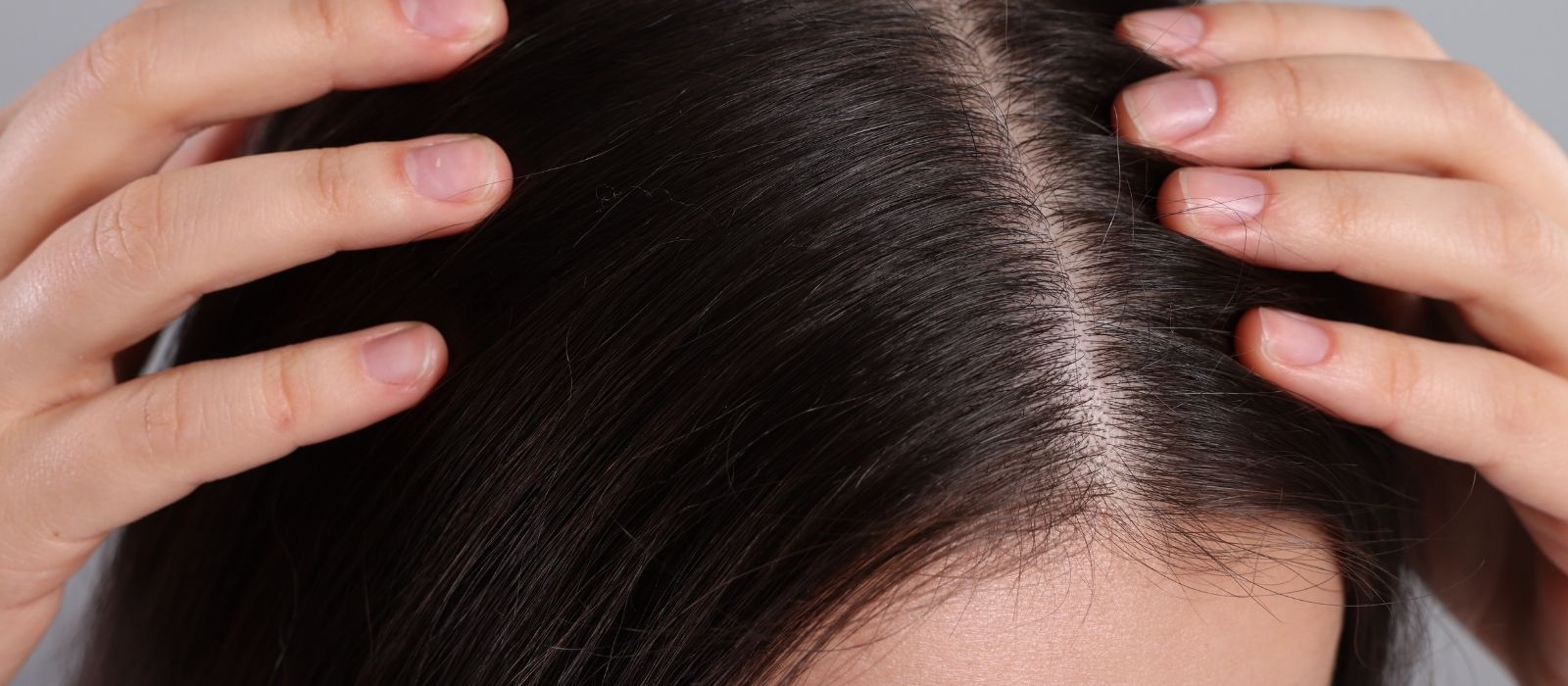
Scalp issues require different approaches depending on whether you're dealing with dryness or fungal overgrowth. Apple cider vinegar helps dandruff by creating an acidic environment that inhibits Malassezia fungus. Dilute one part vinegar with two parts water, apply to scalp, wait 10 minutes, then shampoo.
When Home Remedies Aren't Enough
Home remedies work for mild, recent problems, not chronic conditions or genetic issues. Stress-related hair loss and skin problems need stress management alongside topical treatments. Hormonal hair growth requires medical evaluation, not DIY solutions.
Persistent acne, hair loss lasting more than three months, or skin changes that don't improve after six weeks need professional diagnosis. Home remedies complement medical treatment, they don't replace it.
The most effective approach combines evidence-based home remedies with realistic expectations. Oatmeal won't cure severe eczema, but it reduces flares between dermatologist visits. Honey masks won't replace prescription retinoids for acne, but they support healing without irritation.
Stop chasing viral remedies that promise everything and deliver nothing. Stick to the boring ones with decades of research behind them. Your skin and hair will thank you for choosing science over social media trends.
FAQ
How long do home remedies take to work for skin problems
Most effective home remedies show initial results within several weeks with consistent daily use. Oatmeal baths reduce eczema redness within days, while honey masks may improve acne with regular use. Expect extended use for benefits on texture and tone issues.
Are home remedies safe to use with prescription skincare
Simple remedies like oatmeal baths and cold compresses are safe with prescription treatments. Avoid acidic remedies like lemon juice or vinegar with retinoids or chemical exfoliants, they increase irritation risk. Ask your dermatologist before combining oils with prescription acne medications.
Which home remedies work best for hair growth and thickness
Scalp massage with coconut oil has research supporting hair health, but won't regrow hair lost to genetics or hormones. Green tea rinses may support follicle health through antioxidants. No home remedy matches prescription treatments for androgenetic alopecia or significant thinning.
This article is for informational purposes only. It is not a substitute for professional medical advice, diagnosis, or treatment. Always consult a qualified healthcare provider before making changes to your health routine.