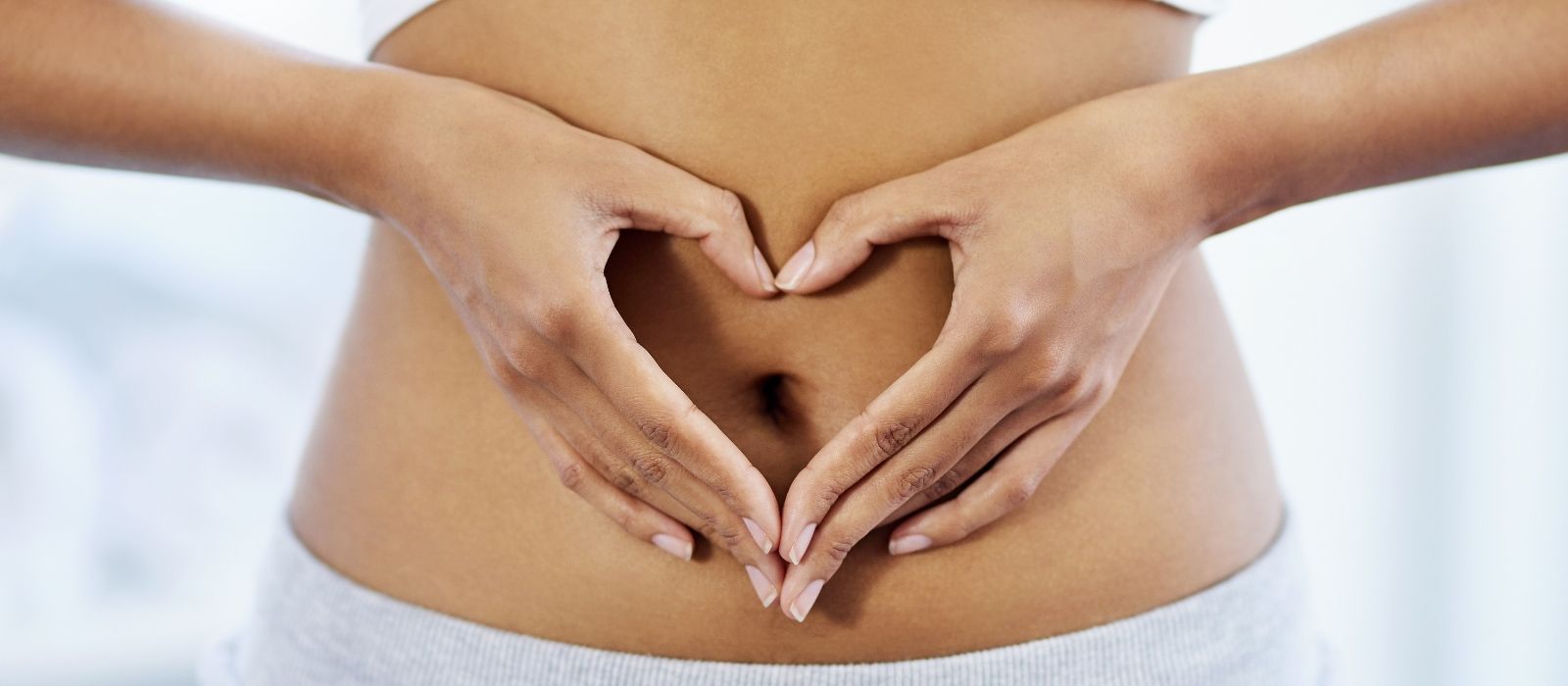
Gut health is everywhere but rarely explained clearly. Here's what it actually means, what the research supports, and what you can do that genuinely makes a difference.
You can't scroll through wellness content without hitting gut health. Kombucha ads promise better digestion, probiotic supplements claim to fix everything from acne to anxiety, and some influencer swears her bloating disappeared after she cut nightshades or added bone broth.
Most explanations of what gut health means either shrink it to 'good bacteria versus bad bacteria' or spiral into microbiome science that won't help you decide what to make for dinner. The truth is somewhere in between. Your gut affects more than digestion, but the fixes are less dramatic than the marketing suggests.
In practical terms, gut health means your digestive system works without chronic inflammation, keeps a diverse population of beneficial bacteria, and absorbs nutrients properly from food. When it's working, you're regular, you don't bloat much after meals and your energy holds steady. When it isn't, you might have irregular digestion or frequent stomach trouble, or run low on nutrients even though you eat well.
What Your Gut Actually Does Beyond Digestion
Your gut holds a large share of your immune cells and produces neurotransmitters including serotonin. And the gut-brain connection isn't wellness marketing. Your vagus nerve links your digestive tract directly to your brain, and the gut and brain signal each other in both directions, with gut bacteria appearing to influence the brain and behavior, though a 2021 review in Nature Reviews Microbiology notes that most of that evidence still comes from animal studies.
Your gut microbiome also affects how well you absorb nutrients. You can eat plenty of iron-rich foods and still develop iron deficiency symptoms if gut inflammation gets in the way. The same goes for magnesium absorption.
The Microbiome Reality Check
Your gut microbiome contains trillions of bacteria, but diversity matters more than raw numbers. A healthy gut has hundreds of different bacterial species working together. Antibiotics, chronic stress and highly processed diets can all reduce that diversity.
Swallowing random bacterial strains in a capsule doesn't automatically improve gut health. The bacteria you already have need feeding first, which means eating enough fibre to support beneficial bacteria and eating less ultra-processed food.
Signs Your Gut Health Needs Attention
The digestive signs are obvious: chronic bloating, irregular bowel movements, stomach pain after eating. Others are less expected. Frequent infections suggest compromised immune function.
Skin problems like acne or eczema have been linked to gut inflammation. Mood swings, brain fog, or trouble sleeping may also be connected to gut-brain communication, though that research is still early.
Running low on nutrients when you eat well can point to an absorption problem. If you're tired even with enough sleep and plenty of iron-rich food, gut inflammation might be stopping your body from using what you eat. This particularly affects women during menstruation, pregnancy or perimenopause, when nutrient needs go up.
What Actually Improves Gut Health
A wide range of plant foods is a better bet for your gut bacteria than a supplement. Aim for 30 different ones a week, counting fruit, vegetables, nuts, seeds, legumes and whole grains. In the American Gut Project, a 2018 citizen-science study, people who ate more than 30 types of plants a week had more diverse gut bacteria than those who ate 10 or fewer. Each plant brings its own mix of fibers, and different bacterial strains feed on different ones.
Anti-inflammatory eating patterns may ease gut irritation. In practice that means less ultra-processed food, excess sugar and industrial oil, and more omega-3 rich foods and antioxidant-dense vegetables.
Stress counts too. Stress hormones act on the gut through the same gut-brain pathway, and stress has been linked to changes in gut bacteria and a leakier gut lining. Foods that help regulate cortisol are one place to start.
For most people, probiotic foods are a better starting point than supplements. Kimchi, sauerkraut, kefir and yogurt provide live cultures, and in a 2021 trial published in Cell, adults who ate more of them over a 10-week diet phase steadily gained gut bacteria diversity and showed lower inflammatory markers.
What Doesn't Work Despite the Hype
Expensive probiotic supplements are rarely worth the money for general gut health. Most strains pass through without settling in for long, and the benefits that do exist are specific to particular strains and conditions.
Extreme elimination diets might ease symptoms for a while, but they don't deal with what's causing them, and cutting whole food groups can reduce microbiome diversity. Talk to a healthcare provider before you drop a major food group.
Detox products and cleanses don't improve gut health. Your liver and kidneys already handle detoxification, and harsh cleanses can disrupt beneficial bacteria and upset your digestion.
Frequently Asked Questions
How long does it take to improve gut health?
Your gut bacteria respond quickly to what you eat, but how soon you feel a difference varies from person to person. Recovery after antibiotics takes longer: in a 2018 study of 12 healthy men given a 4-day course of strong antibiotics, gut bacteria returned close to normal within about six weeks, but some species were still missing six months later.
Do I need expensive gut health tests?
Probably not. An international consensus of 69 experts concluded there isn't enough evidence to recommend routine microbiome testing and discouraged ordering tests without a clinician. Work with your doctor if you have persistent digestive symptoms. Basic blood work can identify nutrient deficiencies related to absorption problems.
Can gut health affect my period and hormones?
Possibly. Gut bacteria make an enzyme that reactivates estrogen, and a 2017 review suggests that disruptions to this process may play a role in conditions like endometriosis and polycystic ovary syndrome. Most of this research is still early. Supporting your cycle through nutrition includes looking after your digestion.
This article is for informational purposes only. It is not a substitute for professional medical advice, diagnosis, or treatment. Always consult a qualified healthcare provider before making changes to your health routine.