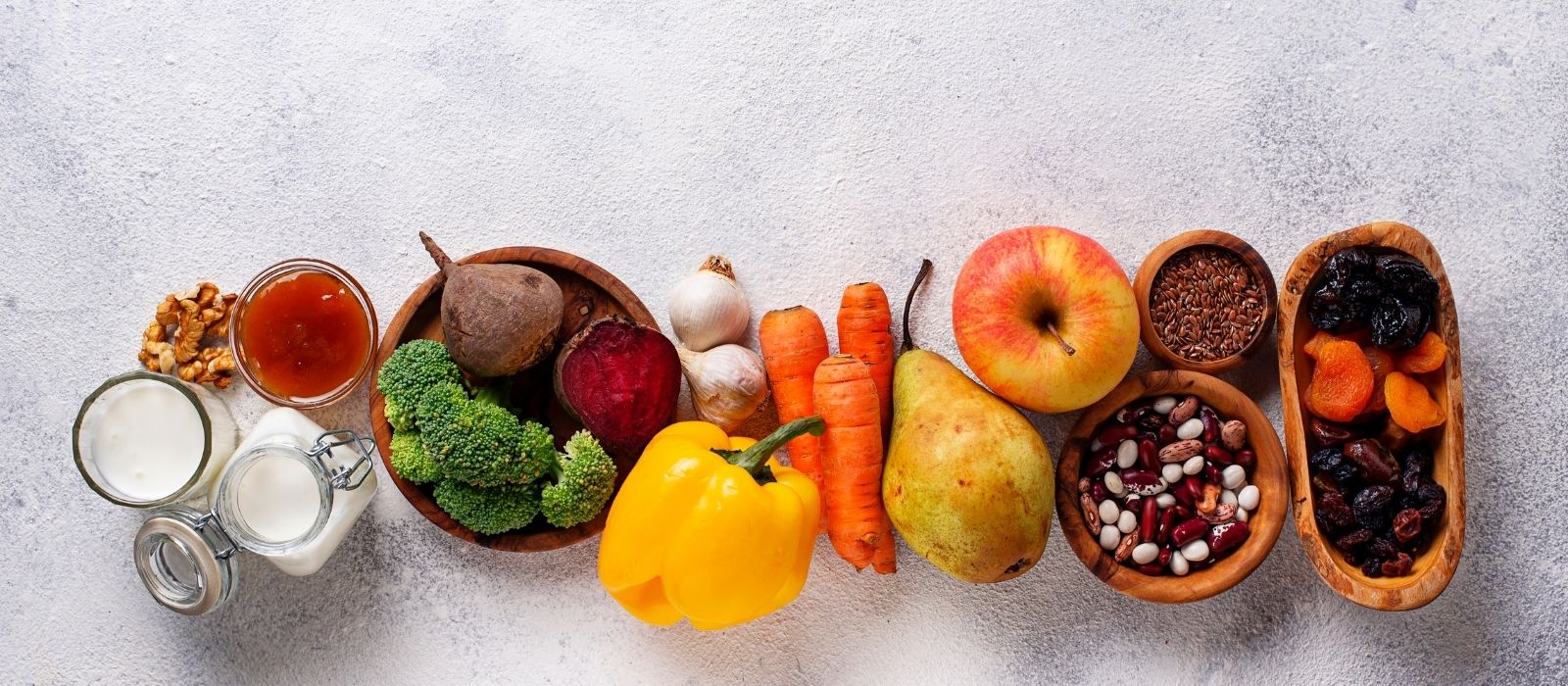
No single superfood fixes gut health. The research points to plant variety as the strongest predictor of microbiome diversity. Here's what that looks like in practice.
You eat blueberries daily. Drink kombucha religiously. Stock your fridge with Greek yogurt. Three months later, your digestion feels exactly the same.
The problem isn't your food choices. It's that you're treating gut health like a supplement routine instead of an ecosystem that thrives on variety.
The American Gut Project, the largest microbiome study to date with over 15,000 participants, found something that changed how scientists think about gut health foods. People who ate 30 different plants per week had the most diverse microbiomes. Not 30 servings.
Thirty different species. The difference between someone eating 10 plant varieties versus 30 was more dramatic than the difference between people taking probiotics and those taking nothing.
Why Plant Diversity Beats Superfoods
Your microbiome operates like a rainforest, not a monoculture. Each bacterial species specializes in breaking down specific compounds. Feed them only blueberries, and you're supporting maybe three bacterial families. Feed them blueberries, walnuts, lentils, arugula, and sweet potatoes in the same week, and you're supporting dozens.
Rob Knight, who led the American Gut Project at UC San Diego, found that microbiome diversity predicts health outcomes better than any single dietary factor. People with more diverse gut bacteria had lower rates of obesity, diabetes, and inflammatory conditions. The catch?
You can't supplement your way to diversity. You have to eat your way there.
This explains why isolated probiotics often disappoint. You're dropping a few bacterial strains into an environment that can't sustain them without the right food sources. It's like planting orchids in a desert and wondering why they don't thrive.
The 30 Plants Per Week Framework
Thirty plants sounds impossible until you realize it includes everything: herbs, spices, nuts, seeds, legumes, fruits, vegetables, and whole grains. Basil counts. So do sesame seeds on your salad and the garlic in your stir-fry.
Track for one week and you'll probably hit 15-20 without trying. Getting to 30 means being intentional about variety, not volume. Swap your usual apple for pear one day.
Choose mixed greens instead of just spinach. Add different beans to your rotation.
The American Gut Project participants who reached 30 plants weekly didn't eat massive salads or follow complicated protocols. They ate normal portions with more variety. Their shopping lists looked different, not bigger.
Which Foods Pack the Biggest Microbiome Punch
Certain foods consistently show up in research as microbiome superstars, but not for the reasons you'd expect. Fermented foods like kimchi, sauerkraut, and kefir don't just deliver probiotics, they deliver them alongside the fiber and plant compounds that help them survive.
Polyphenol-rich foods create the biggest shifts in beneficial bacteria. Think deeply colored plants: pomegranates, red cabbage, purple sweet potatoes, and yes, blueberries. But also less obvious sources like green tea, olive oil, and dark chocolate. A study from King's College London found that people who ate the most polyphenol variety had gut bacteria profiles similar to people 20 years younger.
Resistant starch feeds bacteria that produce butyrate, a compound that protects your intestinal lining. You'll find it in cooked and cooled potatoes, green bananas, and oats. Legumes deliver both resistant starch and diverse fibers that different bacterial species prefer.
Fiber diversity matters more than fiber quantity. Twenty grams from five different sources beats 30 grams from wheat alone. Your gut bacteria have specialized preferences, some thrive on the pectin in apples, others on the inulin in garlic and onions.
What This Looks Like in Practice
Start where you are. If you're currently eating 12 plant varieties per week, aim for 18. Add one new plant food every few days. Keep a running list on your phone and check off each one as you eat it.
Focus on additions, not restrictions. Instead of cutting foods out, crowd them out with more variety. Sprinkle hemp hearts on your yogurt.
Toss different herbs into everything. Try a new vegetable each grocery trip.
Signs your gut health is improving usually show up within 2-4 weeks of increasing plant diversity. Better energy, more regular digestion, and fewer afternoon crashes are common early indicators.
The goal isn't perfection. It's progress toward an eating pattern that supports the complex ecosystem in your gut. That ecosystem has been evolving for millions of years to handle variety, not monotony.
FAQ
How do I count 30 plants per week without going crazy?
Use your phone's notes app to track daily. Count everything: the oregano on your pizza, cashews in your trail mix, and beans in your soup. Herbs and spices make hitting 30 much easier than focusing only on fruits and vegetables.
Do I need to eat fermented foods every day for gut health?
No. The American Gut Project found that people who ate fermented foods occasionally had similar microbiome diversity to daily consumers. Focus on prebiotic variety, the fiber that feeds beneficial bacteria, over probiotic frequency.
Can I get gut health benefits if I can't tolerate many plant foods right now?
Start with the plants you can tolerate and work on variety within those. Even increasing from 8 to 15 plant varieties weekly creates measurable microbiome improvements. Work with a healthcare provider if you have severe food sensitivities that limit your options.
This article is for informational purposes only. It is not a substitute for professional medical advice, diagnosis, or treatment. Always consult a qualified healthcare provider before making changes to your health routine.