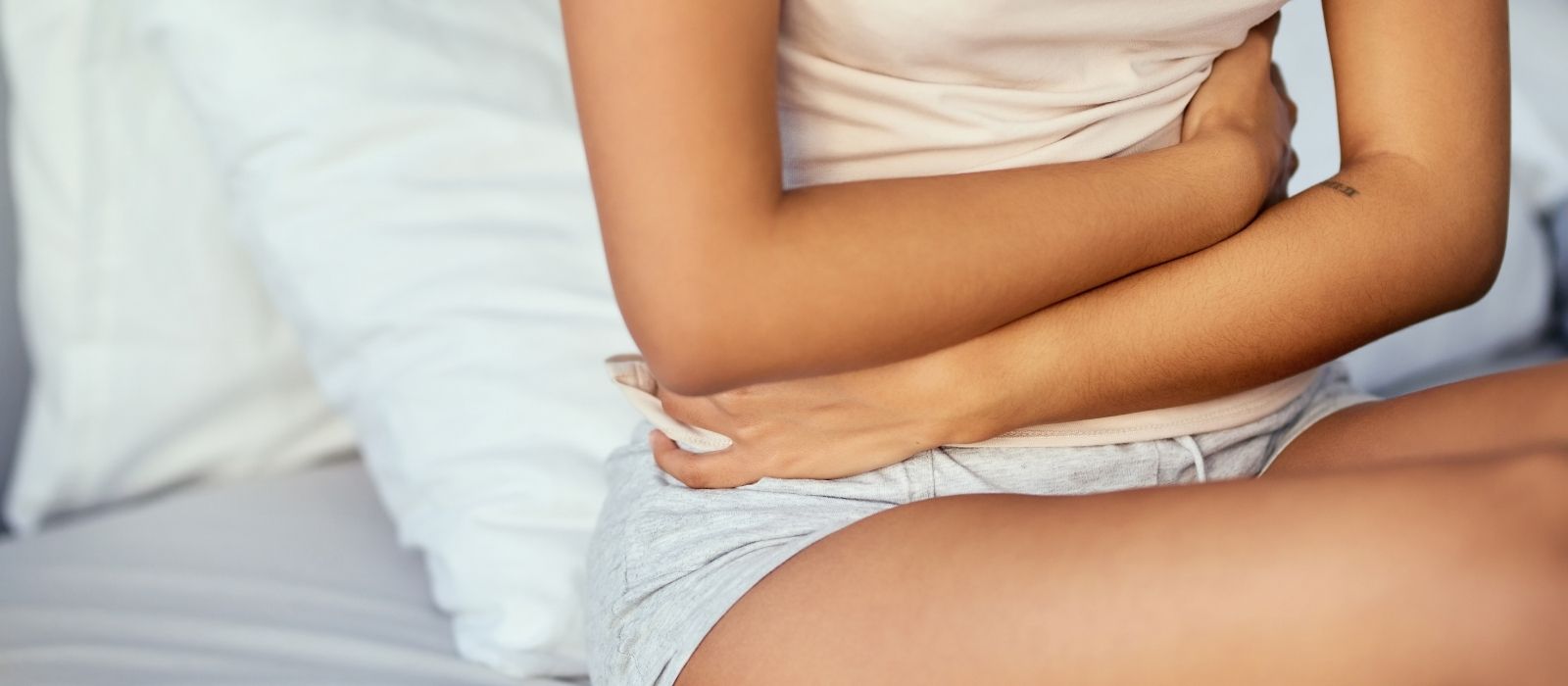
Most serotonin is made in your gut, not your brain. Here's how gut health directly shapes your mood, anxiety levels, and emotional regulation.
You spend years trying different antidepressants, therapy approaches, and meditation apps. Your anxiety still spikes after certain meals. Your mood crashes when you're bloated. You feel mentally foggy after a weekend of stress eating.
Your brain isn't broken. Your gut is talking to it, and it's been screaming for attention.
Here's what most people don't know: 90% of your body's serotonin gets made in your gut, not your brain. The same neurotransmitter that regulates mood, sleep, and anxiety is primarily manufactured by the bacteria living in your digestive system. When your gut microbiome gets disrupted, your serotonin production tanks. Your mood follows.
The Gut-Brain Axis Controls More Than Digestion
The gut brain connection mood system works through the vagus nerve — a direct highway between your digestive tract and your brain stem. This nerve carries signals both ways. Your brain can trigger digestive issues when you're stressed. Your gut can send anxiety signals to your brain when inflammation spikes.
Your gut microbiome produces more than serotonin. It manufactures GABA, the calming neurotransmitter that reduces anxiety. It creates dopamine, which drives motivation and pleasure. It influences cortisol production, your primary stress hormone. When beneficial bacteria get crowded out by harmful strains, neurotransmitter production drops across the board.
Research from UCLA shows that women who ate probiotic yogurt twice daily for four weeks had measurable changes in brain activity. The emotional processing regions became less reactive to negative stimuli. Their brains literally responded differently to stress after improving their gut bacteria balance.
What Destroys Your Gut-Brain Connection
Antibiotics wipe out beneficial bacteria along with harmful ones. A single round can disrupt your microbiome for months. Birth control pills alter gut bacteria composition by changing hormone levels. Chronic stress increases cortisol, which feeds harmful bacteria while starving beneficial strains.
Processed foods containing preservatives, artificial sweeteners, and emulsifiers directly damage gut lining. Sugar feeds harmful bacteria that produce inflammatory compounds. These compounds travel through your bloodstream to your brain, triggering anxiety and depression symptoms.
Sleep deprivation disrupts gut bacteria within 48 hours. Your microbiome follows circadian rhythms just like your brain does. When you're sleep-deprived, beneficial bacteria populations crash while inflammatory strains multiply.
How to Rebuild Your Gut-Brain Connection
Fermented foods work better than probiotic supplements for most people. Kimchi, sauerkraut, and kefir contain diverse bacterial strains that colonize your gut more effectively than pill forms. Aim for one serving daily, but start small if you're not used to fermented foods.
Prebiotic foods feed beneficial bacteria you already have. Garlic, onions, Jerusalem artichokes, and green bananas contain the fiber strains that produce mood-stabilizing compounds. A study from the University of Colorado found that women who ate prebiotic fiber for three weeks had lower cortisol levels and reported better mood stability.
Bone broth repairs gut lining damaged by inflammation. The collagen and amino acids provide building blocks for intestinal barrier function. When your gut lining is intact, fewer inflammatory compounds reach your brain.
Exercise increases beneficial bacteria diversity within weeks. Moderate activity like walking or yoga works better than intense workouts, which can increase cortisol if you're already stressed. Hormonal changes during perimenopause make gut health even more critical for mood stability.
The Timeline for Gut-Brain Healing
Mood improvements from gut health mental health changes happen faster than you'd expect. Many people notice reduced anxiety within two weeks of improving their diet. Sleep quality often improves first, followed by mood stability.
Complete microbiome rebalancing takes 3-6 months. Your gut lining regenerates every 3-5 days, but establishing stable bacterial populations requires consistent changes over months. The gut anxiety connection strengthens as inflammation decreases and neurotransmitter production normalizes.
Your gut isn't just processing food. It's manufacturing the chemicals that determine whether you feel anxious or calm, motivated or depressed. When traditional mental health approaches aren't working, your digestive system might hold the missing piece.
Frequently Asked Questions
Can gut problems cause anxiety and depression?
Yes, gut inflammation and bacterial imbalances directly trigger anxiety and depression by reducing serotonin production and increasing inflammatory compounds that reach the brain.
How long does it take to improve mood through gut health?
Most people notice mood improvements within 2-4 weeks of dietary changes, with full gut-brain rebalancing taking 3-6 months of consistent healthy eating.
What foods are best for gut brain connection mood?
Fermented foods like kimchi and kefir, prebiotic fiber from garlic and onions, and bone broth for gut lining repair work best for improving the gut-brain connection.
This article is for informational purposes only. It is not a substitute for professional medical advice, diagnosis, or treatment. Always consult a qualified healthcare provider before making changes to your health routine.