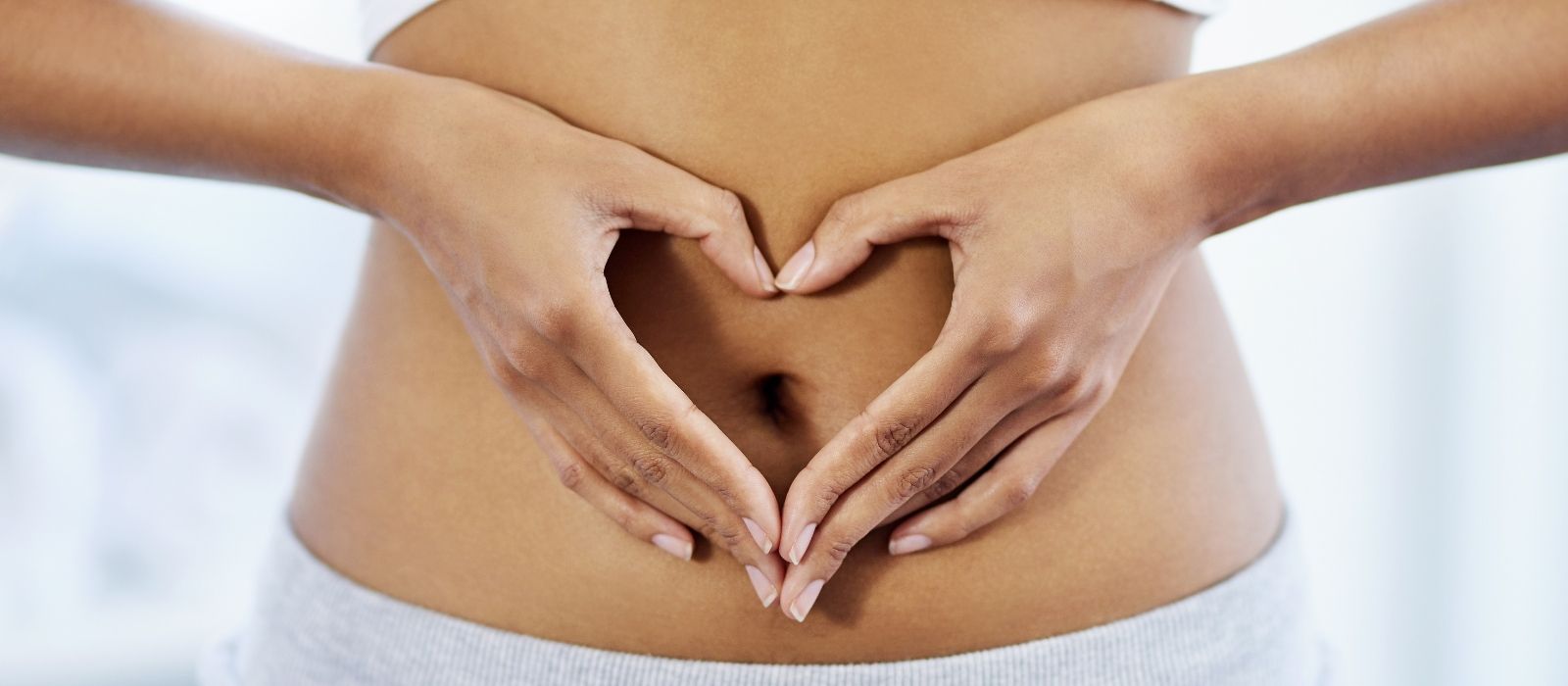
Gut problems aren't always digestive. Skin flare-ups, mood dips, and constant fatigue can all trace back to gut health. Here's how to read the signs.
Your skin breaks out for no reason. You're exhausted despite eight hours of sleep. Your mood tanks randomly on Tuesday afternoons. The last thing you'd suspect? Your gut.
Most people connect gut problems with digestive symptoms — bloating, gas, irregular bowel movements. But your gut houses 70% of your immune system and produces 95% of your body's serotonin. When the bacterial balance gets disrupted, the effects ripple outward to systems that seem completely unrelated.
These signs of poor gut health often get misdiagnosed or treated as separate issues when they're actually connected through the gut-brain axis and systemic inflammation. Missing this connection means treating symptoms instead of the root cause.
Your Skin Tells the Gut Story
Acne that started in your twenties and won't quit. Eczema flares that match your stress cycles. Rosacea that responds to nothing topical. All of these can trace back to gut dysbiosis — an imbalance in your gut bacteria.
The gut health skin connection works through inflammation. When harmful bacteria outnumber beneficial ones, your intestinal lining becomes more permeable. This allows toxins and partially digested food particles to enter your bloodstream, triggering an immune response that shows up as skin inflammation.
Research from the National Center for Biotechnology Information found that 54% of people with acne have gut dysbiosis compared to 23% of people with clear skin. Your skin isn't the problem — it's reflecting what's happening internally.
Energy Crashes That Don't Match Your Schedule
You sleep seven to eight hours but still need caffeine to function. Afternoon energy dips hit like clockwork. You feel tired after meals instead of energized. Poor gut health directly impacts energy production through multiple pathways.
Your gut bacteria help break down food into usable nutrients. When dysbiosis occurs, nutrient absorption drops even if you're eating well. You're literally not getting the building blocks your cells need to produce energy efficiently.
Dysbiosis also creates chronic low-grade inflammation that forces your immune system to work overtime. That constant background immune activation drains energy reserves, leaving you perpetually fatigued.
Mood Swings Without Clear Triggers
Anxiety that doesn't match your circumstances. Depression that lifts and returns without warning. Brain fog that makes simple decisions feel impossible. These gut health symptoms connect directly to neurotransmitter production.
Your gut produces more serotonin than your brain does. Beneficial bacteria like Lactobacillus helveticus help manufacture GABA, your body's primary calming neurotransmitter. When gut bacteria are imbalanced, neurotransmitter production gets disrupted.
A study from UCLA showed that women who consumed probiotics for four weeks had measurably different brain activity in regions controlling emotion and sensation compared to those who didn't. Your gut bacteria directly influence how your brain processes mood and stress.
Immune System on High Alert
Frequent colds that linger longer than they should. Seasonal allergies that get worse each year. Autoimmune symptoms that flare unpredictably. These point to immune dysfunction often rooted in gut imbalance.
The majority of your immune tissue surrounds your digestive tract. When gut bacteria are balanced, they train your immune system to distinguish between threats and harmless substances. Dysbiosis disrupts this training, leading to overactive immune responses to normal triggers.
Signs of gut dysbiosis include getting sick more than twice per year, allergic reactions to foods you used to tolerate, or inflammatory conditions that worsen during stressful periods.
The good news? Supporting gut health addresses all these symptoms simultaneously because you're treating the underlying imbalance instead of chasing individual problems. Improving gut health naturally starts with diverse, fiber-rich foods that feed beneficial bacteria. Understanding probiotics versus prebiotics helps you choose the right approach for your specific symptoms.
Most women need 25 grams of fiber daily, but the average intake is only 16 grams. That gap directly impacts the bacterial diversity your gut needs to support clear skin, stable energy, balanced mood, and strong immunity.
FAQ
What are the early signs of gut dysbiosis?
The earliest signs include skin changes like new breakouts or increased sensitivity, energy dips that don't match your sleep schedule, and mild mood shifts like increased irritability or brain fog. These often appear weeks before digestive symptoms.
How long does it take to see improvement in gut health symptoms?
Most people notice energy and mood improvements within 2-3 weeks of supporting gut health through diet changes. Skin improvements typically take 6-8 weeks, while immune function changes become apparent over 3-4 months as your gut lining heals.
Can you have gut problems without digestive symptoms?
Yes, many people with gut dysbiosis never experience bloating, gas, or irregular bowel movements. The gut-brain axis and systemic inflammation mean gut imbalances often show up as skin issues, mood problems, fatigue, or frequent illness instead of obvious digestive symptoms.
This article is for informational purposes only. It is not a substitute for professional medical advice, diagnosis, or treatment. Always consult a qualified healthcare provider before making changes to your health routine.