There's a lot of noise around cortisol-lowering foods. Here's what actually has research behind it and what's just wellness marketing.
Your cortisol is high. Your wellness influencer says to eat more ashwagandha powder and dark chocolate. Your naturopath recommends green tea and fermented foods. Your friend swears by magnesium and fatty fish.
Meanwhile, you're stress-eating crackers at 11 PM wondering which of these actually works. The truth is messier than most food lists suggest. Some foods that lower cortisol have solid research behind them. Others are riding on one small study or ancient traditional use that doesn't translate to your Tuesday afternoon stress spiral.
Here's what has real evidence and what's just wellness marketing dressed up as science. Because when you're dealing with chronic stress, you need solutions that actually work, not expensive powders that taste like dirt.
The Foods With Actual Research
Dark chocolate leads the pack, but not for the reasons you think. A study from the University of California found that eating 40 grams of dark chocolate daily for two weeks reduced cortisol levels in highly stressed adults. The key compound is flavonoids, specifically epicatechin.
Milk chocolate doesn't work because it lacks sufficient cocoa content. You need at least 70% cacao to see benefits.
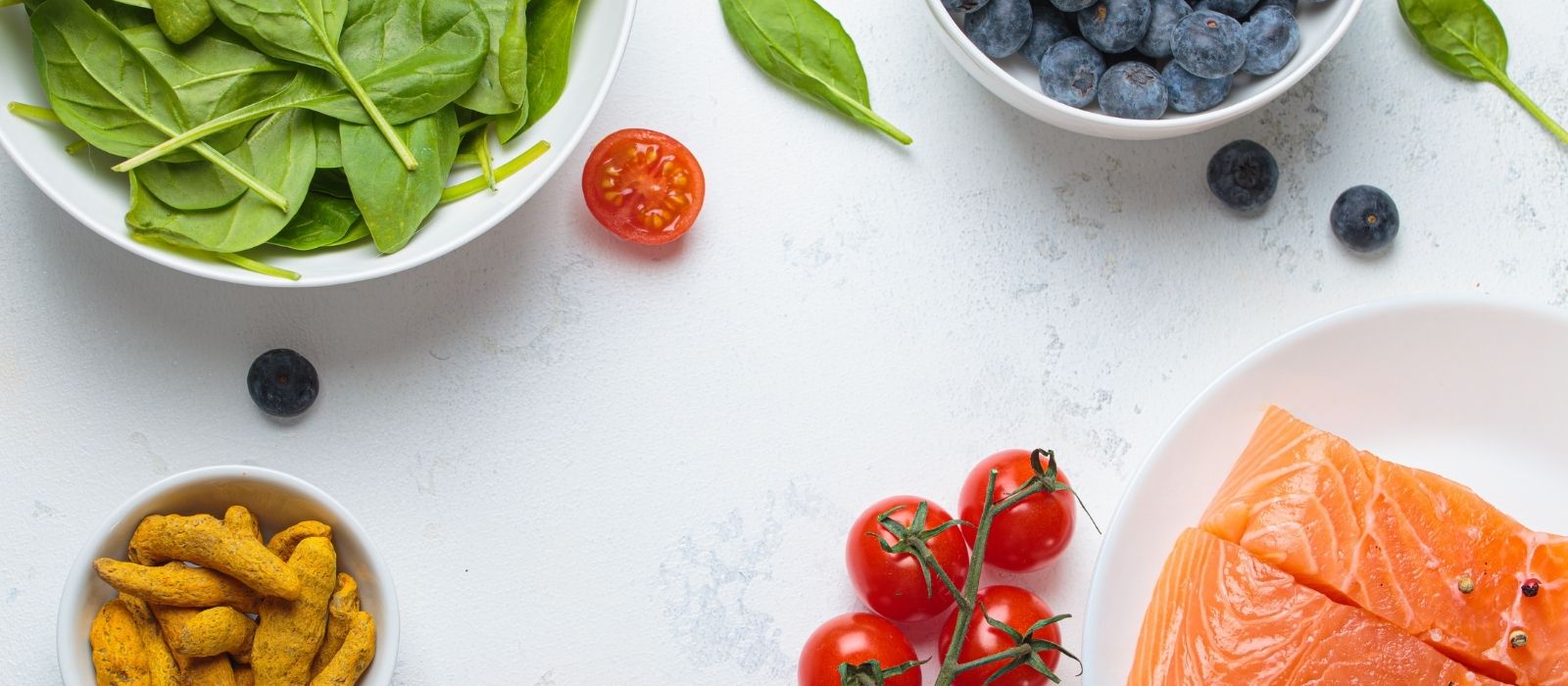
Fatty fish shows up consistently in cortisol research. Omega-3 fatty acids from fish reduce cortisol production through their anti-inflammatory effects. A study in Brain, Behavior, and Immunity found that people taking omega-3 supplements had 20% lower cortisol responses to stress tests. Salmon, sardines, and mackerel contain the highest concentrations of EPA and DHA.
Green tea's cortisol benefits come from L-theanine, an amino acid that promotes GABA production in your brain. Japanese researchers found that drinking four cups of green tea daily for one week lowered cortisol by 15% compared to placebo. The effect peaks about 40 minutes after drinking. Matcha contains higher L-theanine concentrations than regular green tea.
The Nutrients That Matter More Than Individual Foods
Magnesium deficiency amplifies cortisol production, so adequate intake helps normalize levels rather than dramatically lowering them. Foods like spinach, pumpkin seeds, and dark chocolate provide bioavailable forms. The RDA is 320mg for women, but stress increases your needs.
Vitamin C acts as a cortisol buffer during acute stress. A study from the University of Alabama found that people taking 1000mg of vitamin C had smaller cortisol spikes during stress tests. Bell peppers, citrus fruits, and strawberries provide natural sources, though you'd need supplements to reach therapeutic doses.
Complex carbohydrates influence cortisol through serotonin pathways. Oats, quinoa, and sweet potatoes help maintain steady blood sugar, preventing cortisol spikes from glucose crashes. Simple carbs do the opposite, creating roller coaster patterns that keep cortisol elevated.
What Doesn't Have Strong Evidence
Ashwagandha powder gets promoted everywhere, but most studies use concentrated extracts, not the powder you sprinkle in smoothies. The effective dose from research is 300-600mg of standardized extract daily. That's roughly equivalent to 3-6 grams of raw powder, which tastes terrible and costs significantly more than supplements.
Fermented foods appear in every cortisol-lowering list, but the connection is indirect. They support gut health, which influences the gut-brain axis, which may affect stress responses. It's not wrong, but it's not the direct cortisol-crushing effect that gets claimed.
Turmeric faces the same issue as ashwagandha. Curcumin has anti-inflammatory properties that could theoretically lower cortisol, but food sources contain minimal bioavailable curcumin. You'd need black pepper and fat for absorption, plus amounts that aren't realistic through cooking.
What Actually Works for Stress Eating
The most practical approach focuses on preventing cortisol spikes rather than chasing foods that lower it. Eating protein with every meal stabilizes blood sugar. Anti-inflammatory eating patterns reduce systemic stress on your body. Regular meal timing prevents the cortisol surges that come with erratic eating.
Skip the expensive adaptogens and focus on getting enough protein throughout your day. Chronic stress increases protein needs, and deficiency makes everything worse. Aim for 25-30 grams per meal from whole food sources.
FAQ
Do foods that lower cortisol work immediately?
No. Most cortisol-lowering effects from food take 1-2 weeks of consistent intake to show up in blood tests. Dark chocolate shows the fastest results at about one week.
Can you eat too much of cortisol reducing foods?
Yes. More than 100 grams of dark chocolate daily can cause caffeine-related side effects. Green tea beyond 4-5 cups can interfere with iron absorption and cause jitters in sensitive people.
What foods make cortisol worse?
Refined sugar, alcohol, and excessive caffeine all spike cortisol. Ultra-processed foods create inflammatory responses that keep stress hormones elevated throughout the day.
This article is for informational purposes only. It is not a substitute for professional medical advice, diagnosis, or treatment. Always consult a qualified healthcare provider before making changes to your health routine.