Anti-inflammatory eating gets talked about constantly but rarely explained in a way that's actually useful. Here's what it means and what to do with it day to day.
You've probably heard about anti-inflammatory eating from every wellness corner of the internet. Cut sugar. Add turmeric.
Avoid processed foods. Eat salmon twice a week. The advice sounds clean and simple until you're standing in your kitchen at 6 PM wondering if your Tuesday dinner counts as inflammatory or not.
The problem isn't the science. Chronic inflammation does contribute to everything from joint pain to heart disease. The problem is that most anti-inflammatory advice treats food like medicine instead of recognizing that inflammation happens in context. Your stress levels, sleep quality, activity patterns, and hormonal fluctuations all influence how your body responds to what you eat.
Anti-inflammatory eating means choosing foods that support your body's natural ability to manage inflammation rather than triggering excess inflammatory responses. But here's what that actually looks like when you're not following a perfect meal plan written by someone who doesn't live your life.
What Inflammation Actually Does in Your Body
Inflammation isn't inherently bad. It's your immune system responding to threats, injuries, or imbalances. Acute inflammation helps you heal from a sprained ankle or fight off a cold.
Chronic inflammation is different. It's your body stuck in a low-level defensive mode that never quite turns off.
This happens when inflammatory triggers become constant instead of occasional. Ultra-processed foods, refined sugars, trans fats, and excessive alcohol can all signal your immune system to stay activated. But so can chronic stress, poor sleep, sedentary behavior, and hormonal imbalances during perimenopause.
The goal isn't to eliminate all inflammatory responses. It's to give your body the nutrients it needs to resolve inflammation efficiently and avoid keeping it chronically elevated.
Foods That Actually Reduce Inflammatory Markers
Research from Harvard Medical School shows that certain foods consistently lower inflammatory markers like C-reactive protein and interleukin-6. These aren't exotic superfoods. They're ingredients you can find at any grocery store.
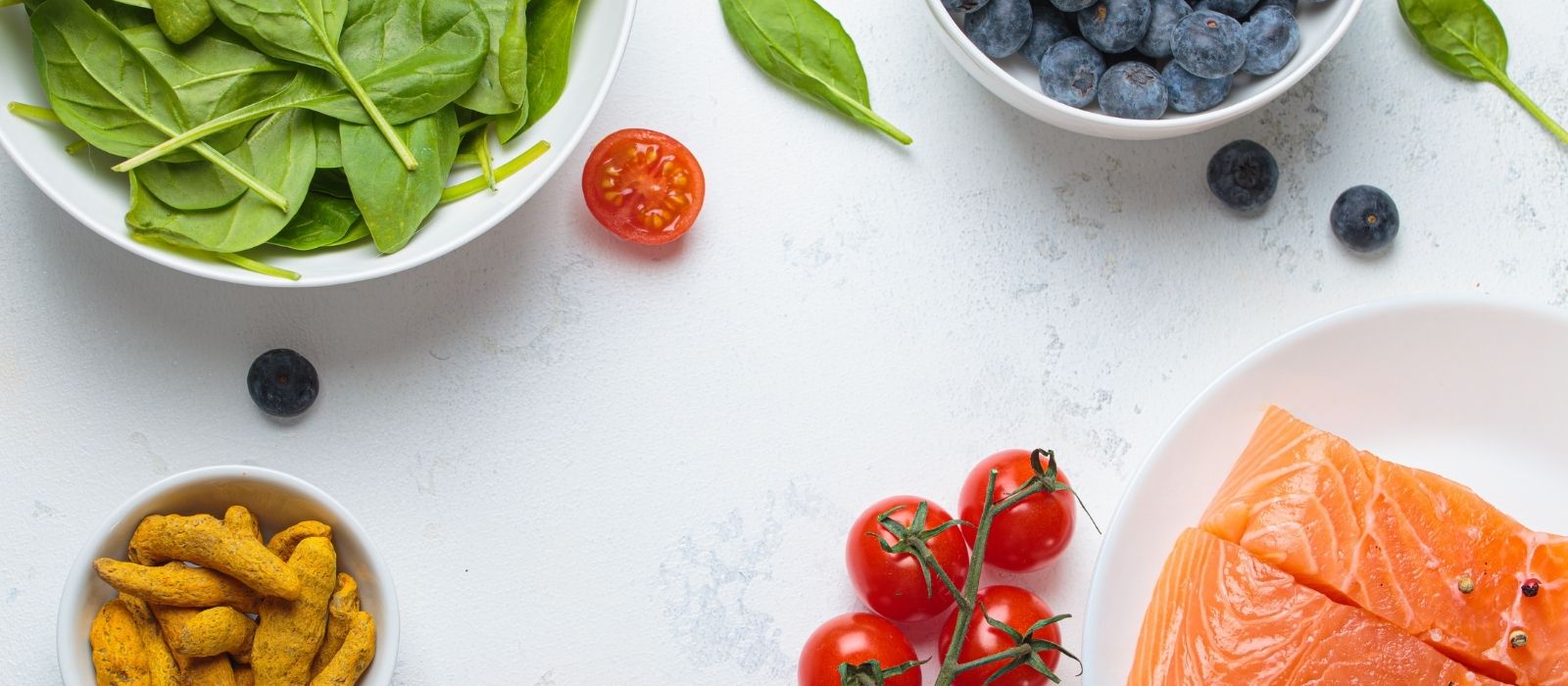
Fatty fish like salmon, sardines, and mackerel contain omega-3 fatty acids that directly compete with inflammatory omega-6s for the same enzymatic pathways. Leafy greens provide folate and antioxidants that support your body's anti-inflammatory processes. Berries contain anthocyanins that reduce oxidative stress.
Nuts and seeds offer vitamin E and healthy fats. Extra virgin olive oil contains oleocanthal, a compound that works similarly to ibuprofen but without the side effects. Fatty fish twice a week, a handful of nuts daily, olive oil as your primary cooking fat, and berries or leafy greens with most meals covers the foundation.
The Foods That Consistently Trigger Inflammation
Some foods reliably increase inflammatory markers in most people. Ultra-processed foods topped with added sugars, refined grains, and industrial seed oils create inflammatory responses within hours of eating them. Trans fats, found in margarine and many packaged baked goods, interfere with your cell membranes' ability to function normally.
Excessive sugar spikes insulin and triggers inflammatory pathways, especially when consumed regularly. This includes obvious sources like candy and soda, but also less obvious ones like flavored yogurts, granola bars, and many salad dressings.
Here's what matters more than perfection: frequency. Eating inflammatory foods occasionally doesn't create chronic inflammation. Eating them daily does. Your body can handle occasional sugar or processed foods if your baseline diet supports anti-inflammatory processes.
Building Anti-Inflammatory Meals Without Obsessing
Anti-inflammatory eating works best when it's structured around whole foods without becoming restrictive. Start with a protein source, add vegetables, include healthy fats, and choose minimally processed carbohydrates when you want them.
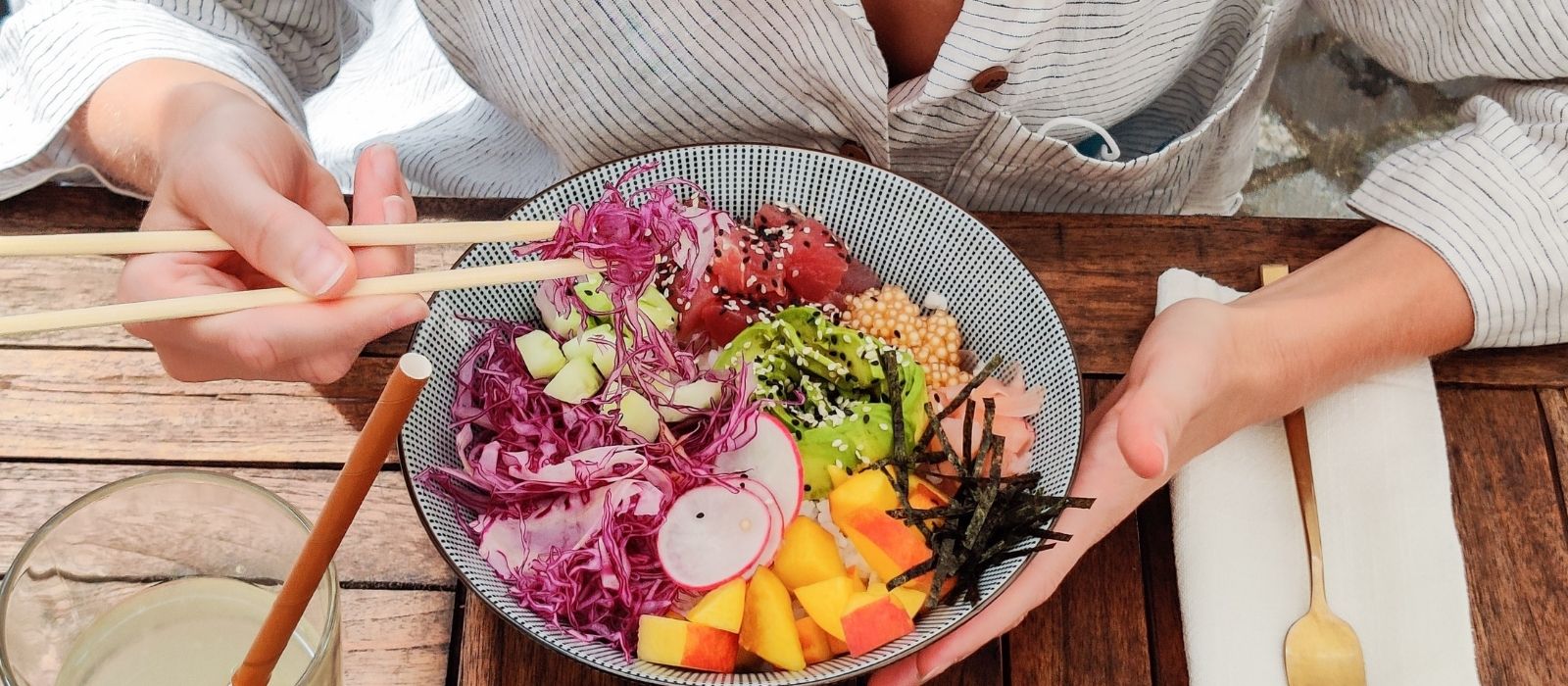
A typical anti-inflammatory day might include scrambled eggs with spinach cooked in olive oil, a salad with salmon and avocado, and roasted vegetables with quinoa. But it could also include oatmeal with berries, a turkey and vegetable soup, or even pasta with olive oil, garlic, and vegetables.
The key is making anti-inflammatory choices most of the time while recognizing that stress management and adequate fiber intake matter just as much as specific food choices. Your gut health influences inflammation levels significantly, which means supporting your microbiome with diverse plant foods often matters more than eliminating specific ingredients.
Anti-inflammatory eating isn't about following rigid rules. It's about understanding which foods support your body's natural healing processes and making those choices consistently enough to see the difference in how you feel.
Frequently Asked Questions
Do I need to eliminate all sugar for anti-inflammatory eating?
No, you don't need to eliminate all sugar. The issue is frequency and amount, not perfection. Having dessert occasionally won't create chronic inflammation, but consuming added sugars multiple times daily will. Focus on reducing sugar in beverages, processed foods, and snacks rather than avoiding fruit or occasional treats.
Are there specific anti-inflammatory supplements women should take?
Food sources work better than supplements for most anti-inflammatory nutrients. However, omega-3 supplements can be helpful if you don't eat fish regularly, and magnesium deficiency can worsen inflammation in many women. Focus on getting nutrients from food first, then supplement specific gaps.
How long does it take to see results from anti-inflammatory eating?
Most people notice changes in energy levels and joint comfort within 2-4 weeks of consistent anti-inflammatory eating. Measurable changes in inflammatory blood markers typically take 6-12 weeks. The timeline depends on your starting inflammation levels, stress management, sleep quality, and how consistently you maintain the dietary changes.
This article is for informational purposes only. It is not a substitute for professional medical advice, diagnosis, or treatment. Always consult a qualified healthcare provider before making changes to your health routine.