Gut health advice is dominated by probiotic marketing. Here's what the research actually shows about improving your microbiome, without buying a lot of supplements.
Your Instagram feed promises that one probiotic supplement will fix your bloating, boost your mood, and clear your skin. Meanwhile, your gut holds trillions of bacteria from hundreds of species, and they don't all want the same conditions.
Supplement brands would like you to believe gut health comes in a capsule. The strongest diet research points somewhere else: eating a wide variety of plants is linked to a more diverse microbiome. What your gut bacteria need is variety and consistency, not a monthly subscription.
To improve gut health naturally, feed the beneficial bacteria you already have instead of trying to add new ones. Most probiotic supplements contain a handful of bacterial strains. A 2010 analysis of gut bacteria from 124 people found each person carried at least 160 prevalent species, and the group as a whole between 1,000 and 1,150. The math doesn't work.
Start With Fiber Variety, Not Fiber Quantity
You've heard you need more fiber. What you probably haven't heard is that the type of fiber matters as much as the amount. Different bacterial species feed on different fibers.
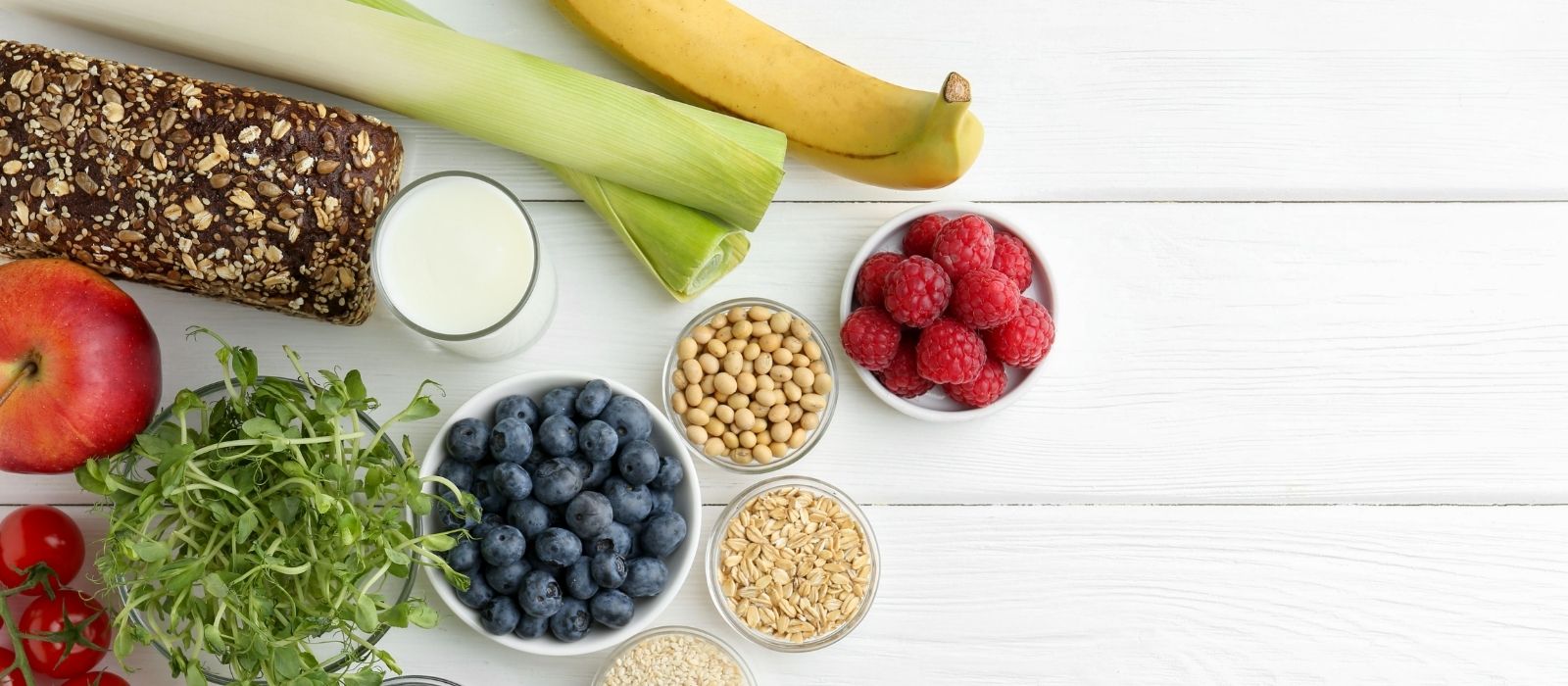
Eating fiber mostly from bread and apples likely feeds a narrow range of gut bacteria. Getting it from beans, berries, artichokes, and oats feeds a wider range.
The American Gut Project's 2018 analysis, drawing on more than 10,000 participants, found that people who ate more than 30 different plant foods per week had more diverse microbiomes than those eating 10 or fewer. That count includes herbs, spices, nuts, seeds, fruits, vegetables, and grains. Most women fall short on fiber variety, not just quantity.
Try Fermented Foods Before Probiotic Pills
Kimchi, kefir, and sauerkraut contain live bacteria in food form. In a 2021 trial of 36 adults published in Cell, a diet high in fermented foods steadily increased microbiome diversity and lowered inflammatory markers. A high-fiber diet in the same trial left diversity stable, and the trial did not test probiotic supplements.
Start with one fermented food a day: unsweetened Greek yogurt with live cultures, a small serving of kimchi with lunch, or a glass of kefir. A little most days is easier to keep up than a lot once in a while.
Sleep and Stress Matter More Than Most People Realize
Your gut bacteria have daily rhythms of their own, and research linking sleep to the microbiome is still early. Aim for at least 7 hours a night, at a fairly consistent bedtime.
Chronic stress can shift the balance of your gut bacteria, partly through stress hormones and changes in how your gut moves. Your body's stress response is one route for that.
What Actually Disrupts Your Gut Health
Antibiotics hit helpful and harmful bacteria alike. If you need them, take them, and lean on fermented foods and varied plant fibers afterward. In a 2018 study of 12 healthy men, gut bacteria returned close to their starting point about six weeks after a four-day antibiotic course, though nine species were still missing in most of the men six months later.
Artificial sweeteners matter too. In a 2022 trial of 120 adults, two weeks of saccharin, sucralose, aspartame or stevia, at doses below the accepted daily limit, changed participants' gut bacteria.
Ultra-processed foods, like packaged snacks, frozen meals, and anything with more than five ingredients you can't pronounce, often contain emulsifiers. Some emulsifiers have worn down the gut's protective mucus layer in mouse studies. Signs your gut health needs attention go beyond bloating: researchers are also studying possible links between the microbiome and mood, skin and energy.
The Simple Changes Worth Making
Eat something fermented every day, and add a different vegetable to your meals each week. Pick whole grains over refined ones when you can. Drink less alcohol, since heavy drinking is linked to unhealthy shifts in gut bacteria.
Walk after meals when you can. Many people find it settles their digestion. And deal with stress in whatever way actually works for you, even if it sounds unimpressive on paper.
Prebiotics often matter more than probiotics because they feed your existing beneficial bacteria instead of trying to colonize new ones. Garlic, onions, Jerusalem artichokes, and cooked then cooled potatoes provide prebiotic fibers.
FAQ
How long does it take to improve gut health naturally?
It varies, and there's little research on how fast people feel a difference. Your gut bacteria can shift quickly after a diet change, but those shifts only last if the habits do, so give changes a few months.
Do I need to take probiotics if I eat fermented foods?
Generally no. Fermented foods bring live bacteria along with the rest of the food, and they have their own trial evidence. Start with food, and only consider supplements if you can't get fermented foods regularly.
What's the best way to rebuild gut health after antibiotics?
Eat a wide variety of plant foods, add fermented foods, and go easy on alcohol and ultra-processed foods while you recover. Be cautious about reaching straight for a probiotic: in a 2018 study in mice and people, probiotics taken after antibiotics delayed the gut's return to its normal bacteria. In the small study of healthy men mentioned above, gut bacteria came back close to normal within about six weeks.
This article is for informational purposes only. It is not a substitute for professional medical advice, diagnosis, or treatment. Always consult a qualified healthcare provider before making changes to your health routine.