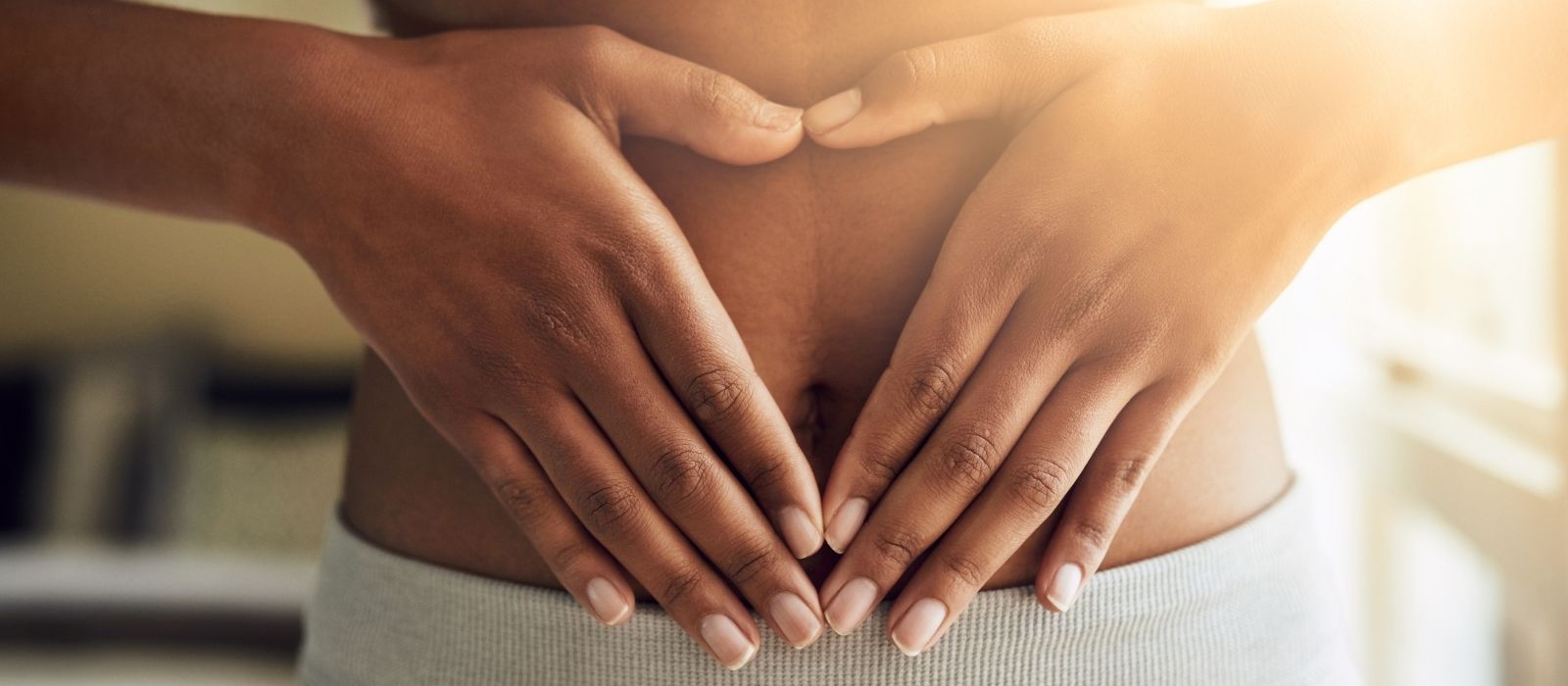
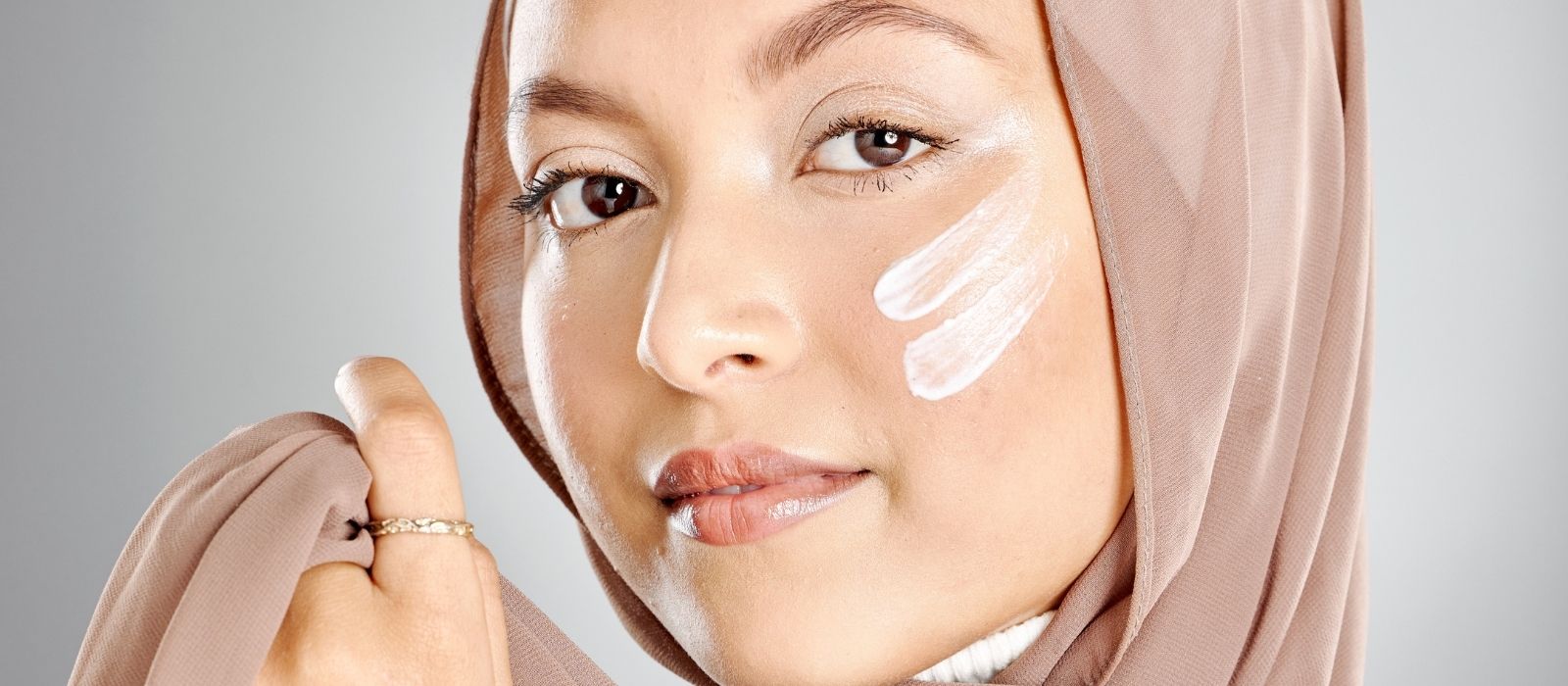
Your gut health directly affects your skin through inflammation, hormones, and nutrient absorption. Learn what actually works to fix both from the inside out.
Your skin breaks out the week before your period. You switch to a gentle cleanser, add niacinamide, cut dairy. Nothing changes. Meanwhile, you're dealing with bloating, irregular digestion, and that afternoon energy crash that hits like clockwork.
The connection isn't coincidence. Your gut and skin communicate through shared pathways involving inflammation, hormones, and nutrient absorption. When your digestive system struggles, your skin shows it. The reverse is also true, chronic skin inflammation affects your gut bacteria.
Here's how gut health affects your skin and what to do about it: poor gut bacteria balance triggers systemic inflammation that shows up as acne, eczema, and premature aging. Compromised intestinal lining allows toxins into your bloodstream, forcing your skin to work overtime as a backup elimination system. Meanwhile, gut bacteria imbalances disrupt hormone production and nutrient absorption needed for healthy skin repair.
The Gut-Skin Axis Works Through Three Main Pathways
Your digestive tract contains 70% of your immune system and produces neurotransmitters that regulate mood and hormone balance. When gut bacteria get out of balance, from antibiotics, processed food, or chronic stress, inflammatory signals travel through your bloodstream to your skin.
Lipopolysaccharides are toxins released by harmful bacteria in your gut. When your intestinal barrier gets compromised (leaky gut), these toxins enter circulation and trigger inflammatory responses. Your skin reacts with increased oil production, clogged pores, and hormonal acne patterns around your jawline and chin.
Your gut also produces short-chain fatty acids that reduce inflammation when beneficial bacteria ferment fiber. Without enough good bacteria, you lose this anti-inflammatory protection. That's why people with digestive issues often struggle with sensitive skin, rosacea, or conditions that flare with certain foods.
Nutrient Absorption Problems Show Up on Your Skin
Damaged gut lining can't absorb vitamins A, D, E, and zinc properly. These nutrients are essential for skin cell turnover, collagen production, and wound healing. Vitamin A deficiency leads to rough, bumpy skin texture.
Low zinc affects oil regulation and healing speed. Poor vitamin D absorption weakens your skin's immune function.
B vitamins produced by healthy gut bacteria support skin barrier function and reduce inflammation. When harmful bacteria overgrow, B vitamin production drops. That's one reason why damaged skin microbiomes often accompany digestive problems.
What Actually Fixes the Gut-Skin Connection
Probiotics help, but the specific strains matter. Lactobacillus helveticus and Bifidobacterium longum have research showing improvements in acne and skin barrier function. Most drugstore probiotics contain wrong strains or too few viable bacteria. Look for refrigerated versions with at least 10 billion CFU from companies that test for potency.
Prebiotic fiber feeds beneficial bacteria better than probiotic supplements alone. Jerusalem artichoke, garlic, onions, and green bananas contain inulin and resistant starch that good bacteria need to thrive. Start with small amounts, too much too fast triggers bloating and can temporarily worsen skin.
Bone broth contains collagen, glycine, and glutamine that repair intestinal lining. The amino acid glutamine specifically heals tight junction proteins between intestinal cells. Drink 8 oz daily or supplement with L-glutamine powder, 5-10 grams before meals.
Remove inflammatory triggers for 4-6 weeks to let your gut lining heal. Common culprits include gluten, dairy, sugar, and processed seed oils. This isn't permanent elimination, you're giving your system time to repair before slowly reintroducing foods.
Timeline and Realistic Expectations
Gut bacteria changes happen within days, but intestinal lining repair takes 4-12 weeks. Your skin microbiome starts shifting within 2-3 weeks of digestive improvements. Full skin changes often take 3-4 months because skin cells take 28 days to turn over completely.
Don't expect dramatic changes in week one. Focus on digestive symptoms first, less bloating, more regular bowel movements, stable energy. Skin improvements follow, usually starting with reduced inflammation and fewer new breakouts before you see texture and tone changes.
FAQ
Can probiotics make acne worse initially?
Yes, some people experience temporary breakouts during the first 1-2 weeks as gut bacteria rebalance. This usually resolves as beneficial bacteria establish. If breakouts continue past 3 weeks, the probiotic strain might not suit your system.
How do I know if leaky gut is causing my skin problems?
Common signs include skin issues that worsen with specific foods, digestive symptoms alongside breakouts, and stress-triggered skin flares. Blood tests for zonulin levels can measure intestinal permeability, though elimination diets often provide clearer answers.
Do digestive enzymes help with skin problems?
Digestive enzymes can improve nutrient absorption if you have insufficient stomach acid or pancreatic enzymes. They're most helpful for people who feel bloated after meals or have undigested food in stool. Take with meals containing protein and fat for best results.
This article is for informational purposes only. It is not a substitute for professional medical advice, diagnosis, or treatment. Always consult a qualified healthcare provider before making changes to your health routine.