Your scalp produces oil but your ends stay dry and brittle. Learn why this happens and the exact fixes that actually work for mixed-texture hair.
Your scalp feels greasy by day two, but your ends snap when you brush them. You wash more to control the oil, and your ends get drier. You deep condition to fix the brittleness, and your roots get heavier. You're treating two different problems as if they were one.
Oily scalp and dry ends turn up together because your oil glands sit beside your hair follicles, not along the strand. Oil starts at the root and has to work its way down each hair to reach the ends.
The longer your hair, the further that is. Your ends are also the oldest part of each strand, with months or years of washing, brushing and styling behind them.
The AAD calls the ends the oldest and most fragile part of the hair. Add heat damage, chemical processing or a tight curl pattern that slows oil down, and your ends stay short of oil while your roots have plenty.
Why Your Scalp Overproduces Oil
Mostly, it's how you're made. How much oil your scalp produces depends largely on genetics and hormones, and some people simply have oilier scalps than others.
You've probably heard that washing often makes your scalp make more oil to compensate. There's little evidence for it. In two studies of Asian adults, run largely by researchers at a shampoo maker (Procter & Gamble), people who washed five or six times a week rated their scalp and hair best, and daily washing beat weekly washing with no measurable damage.
Hormones can shift things too, so changes around your cycle, starting or stopping hormonal contraception, thyroid problems or stress can all change how oily your scalp feels.
Why Your Ends Stay Dry
The cuticle, the outer layer of each hair, is made of overlapping scales like roof tiles. When heat, bleach, relaxers or rough brushing lift and chip those scales, the hair loses moisture faster and oil doesn't spread along it as smoothly.
Texture matters as well. Oil slides easily down straight hair and more slowly around waves.
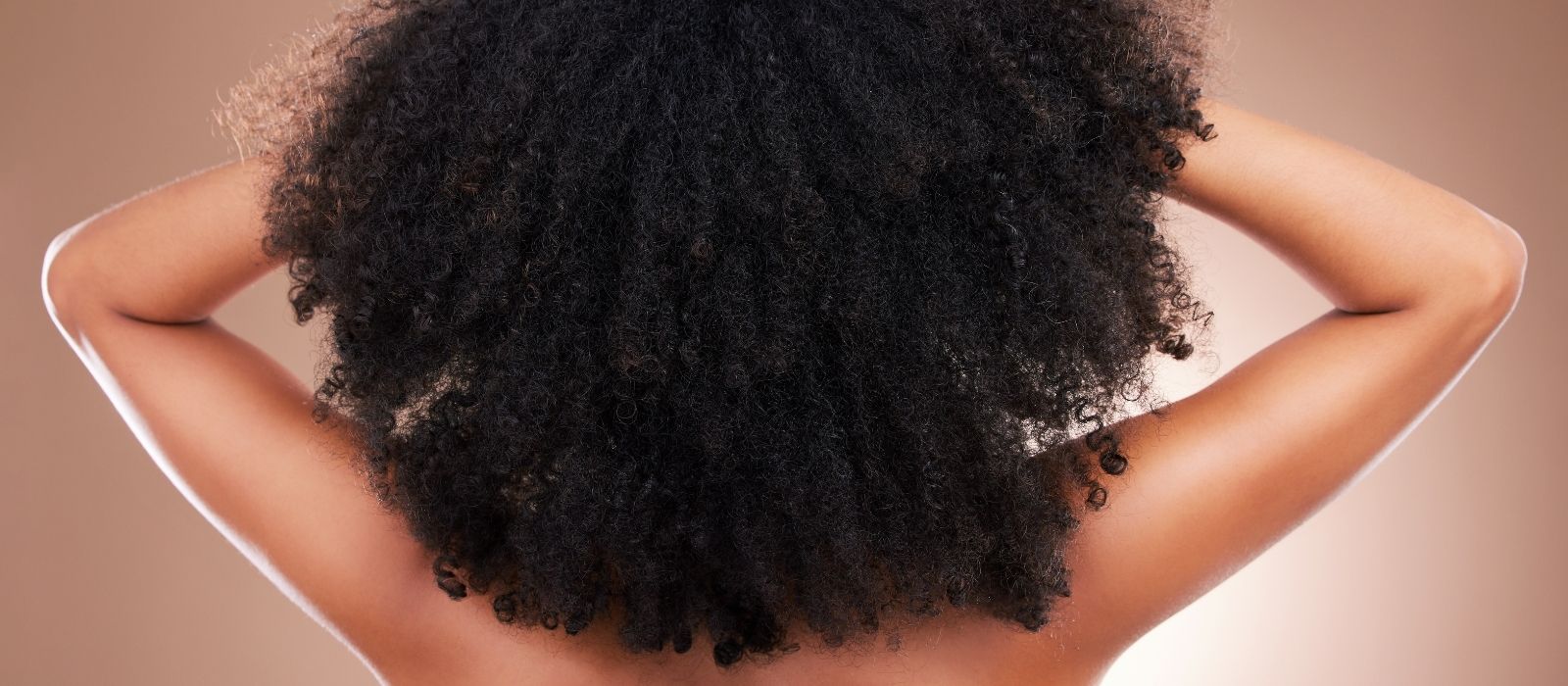
Tightly coiled hair has so many bends that very little oil reaches the ends. That's why people with textured hair often deal with scalp buildup and dry ends at the same time.
How to Fix an Oily Scalp and Dry Ends
Wash your scalp, not your hair. The AAD recommends concentrating shampoo on the scalp, which clears oil without drying the full length. Massage it into your roots, then let the suds run through your ends as you rinse.
Put conditioner on your mid-lengths and ends, not your scalp. Start a couple of inches from the roots and work down to the tips.
Leave it on for a few minutes before rinsing. Your ends need the moisture and your roots don't.
Use a clarifying shampoo every so often if styling products build up, and a gentler shampoo the rest of the time. Go by how your scalp feels rather than a fixed schedule.
Use targeted hair oiling methods on your ends only. A few drops of a light oil like argan or jojoba from mid-length down adds moisture without touching your roots. Non-wash days are a good time for it.
Styling Changes That Help
Use heat less often, keep it on a low or medium setting, and put a heat protectant on first. Heat roughens the cuticle, and those rough patches are where ends dry out and split. Air dry when you can.
A silk or satin pillowcase causes less friction than cotton, which can mean less breakage overnight.
When you brush, start at the ends and work up so you're not dragging through knots. On straight or wavy hair, a boar bristle brush moves some oil from the roots toward the ends.
When It's More Than Oil
If your scalp becomes itchy, flaky or red as well as oily, you might be dealing with seborrheic dermatitis or fungal overgrowth. Seborrheic dermatitis is a long-term condition that comes and goes, and it usually needs a medicated shampoo, not just better oil control.
Sudden changes in your hair's texture or oiliness can come from hormonal shifts, new medications or health conditions. If your hair changes noticeably for no obvious reason, ask your doctor whether it's worth checking your thyroid or iron levels.
FAQ
How often should I wash my hair if I have oily scalp and dry ends?
As often as your scalp needs, even daily. Frequent washing is fine as long as you keep shampoo on your roots and conditioner on your ends, which protects the lengths.
Can I use dry shampoo on oily scalp dry ends hair?
Yes, on your roots only. It soaks up oil between washes. Wash it out properly, though, because it builds up on the scalp if you layer it day after day.
Why do my ends get drier in winter even though my scalp stays oily?
Cold air outside and heating indoors both mean low humidity, which pulls moisture from your ends. Your scalp keeps making oil as usual, so the gap between roots and ends gets more obvious.
This article is for informational purposes only. It is not a substitute for professional medical advice, diagnosis, or treatment. Always consult a qualified healthcare provider before making changes to your health routine.