Learn how microplastics effects on skin and hair create inflammation, clog pores, and disrupt your scalp health. Plus practical ways to reduce daily exposure.
Your shampoo bottle has a recycling symbol. Your face wash comes in recycled packaging. The plastic question in beauty goes beyond the bottle, though, and the particles involved are too small to see.
Microplastics are plastic particles under 5 millimeters. They come from scrubs and glitter, from synthetic clothes that shed fibers in the wash, and from bigger plastics slowly breaking down.
What they do to your skin and hair is far less settled than most headlines suggest. Most of the direct evidence comes from cells in a dish and from animals, not from people. Here's what's known, what isn't, and what's reasonable to change.
Microplastics Effects on Skin: What's Been Shown
Microplastics do get inside the human body. In a 2022 University of Hull study, researchers found 39 microplastic particles in 11 of 13 samples of human lung tissue, most often polypropylene and PET. That's evidence that we breathe them in, not evidence about skin.
For skin, the picture is less clear. A 2025 review of microplastics in cosmetics says skin is generally considered a less significant route than eating or breathing them. The smallest particles, nanoplastics, are the most likely to get through, while larger ones may get in through hair follicles, sweat glands or broken skin. Most of that evidence comes from lab-grown skin cells and skin models, plus some fish studies, rather than from people.
In those cell and animal studies, plastic particles are linked to inflammation, oxidative stress and barrier damage. Nobody has yet shown that the amounts you meet in daily life cause breakouts, sensitivity or a damaged skin barrier in real people.
If you have melanin-rich skin, you already know that any inflammation can leave dark marks that take months to fade, whatever set it off. That's a good reason to be gentle with your skin and try simple skin remedies before harsh scrubs.
Microplastics, Your Scalp and Your Hair
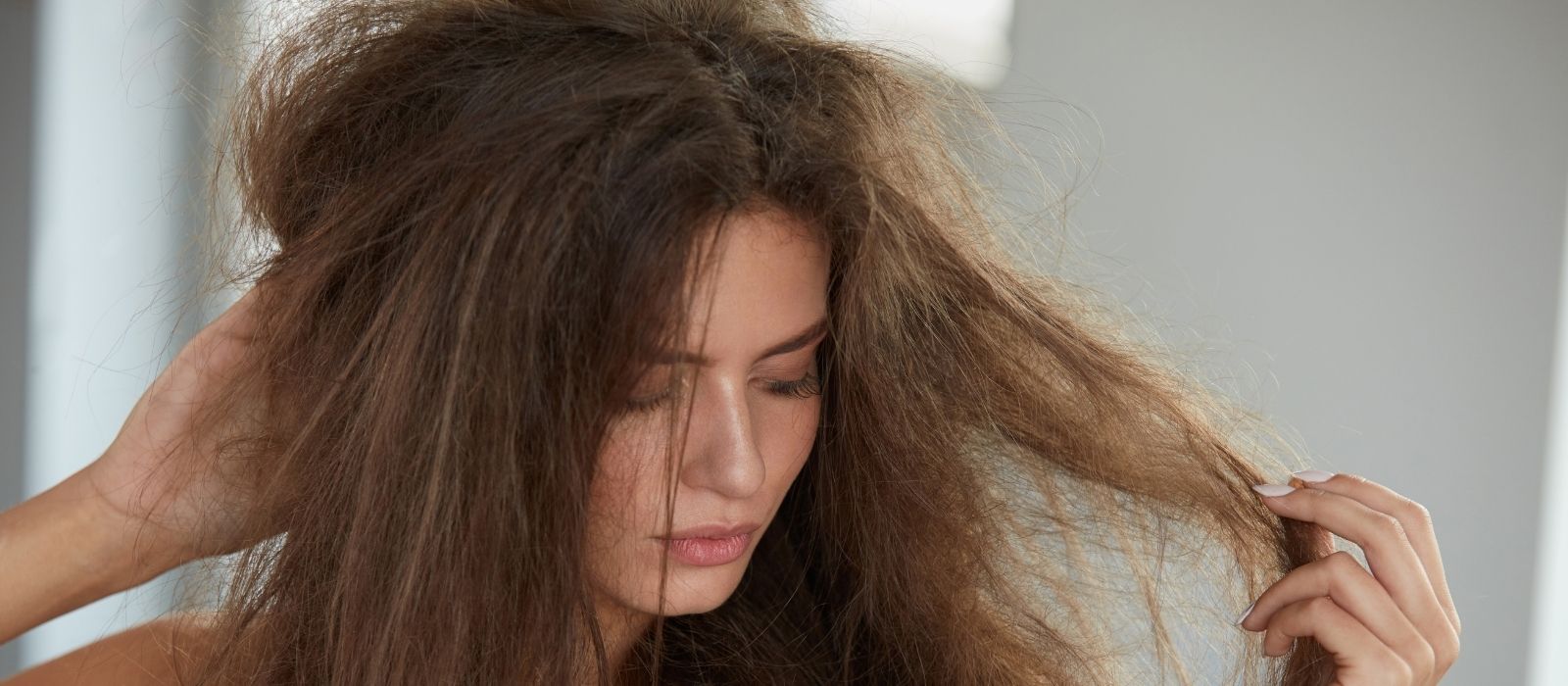
No research in people has shown microplastics building up around hair follicles or causing thinning. Thinning at the crown, brittle ends and hair that stalls at a certain length have well-known causes, from genetics and hormones to breakage, and those are worth checking first. Our guide to scalp health problems is a good place to start.
Flakes and dullness after washing are usually down to product buildup, dandruff or a dry scalp, each of which has its own fix.
Where Microplastics Hide in Your Routine
Plastic microbeads in scrubs used to be the obvious source. In the US, the Microbead-Free Waters Act banned them from rinse-off cosmetics, with manufacturing stopping by July 2017 and interstate sales by July 2018. The ban doesn't cover leave-on products, so it's still worth checking labels for polyethylene, polypropylene and polymethyl methacrylate.
Synthetic makeup brushes, polyester clothes and polyester bedding all shed fibers. Tap water contains microplastics too, from textile washing and plastic breaking down.
Many hair products contain polymers for hold and shine that build up over time, which is what clarifying shampoos are for. If hormones are part of your worry, our piece on how microplastics affect your hormones and skin looks at that side.
Practical Ways to Reduce Microplastic Exposure
Start with what you rinse off. Choose exfoliants made from sugar, salt or ground oats instead of plastic beads, and check ingredient lists for the plastics above.
If you're thinking about a shower or tap filter, check what particle size the maker says it has been tested to remove.
Swap synthetic makeup brushes for natural fiber ones if you like, wash polyester clothing in cold water, and consider cotton or linen pillowcases.
For your hair, a clarifying shampoo now and then clears styling-product buildup. Add scalp massage while you lather if you enjoy it.
You can't avoid microplastics completely. Cutting the obvious sources is reasonable, but it isn't a proven fix for acne or thinning hair, so if either is bothering you, look at the usual causes too.
FAQ
Do microplastics in skincare cause acne?
There's no evidence in people that they do. Lab studies link plastic particles to inflammation in skin cells, but nobody has shown that this leads to breakouts. If you have acne, proven acne treatments are a better use of your effort than tracking down every source of plastic.
Can microplastics cause hair loss?
No study in people has shown that. If your hair is thinning, check the common causes first, and see a doctor or dermatologist if the loss is sudden or patchy, or if your edges are thinning.
How long does it take to see improvements after reducing microplastic exposure?
Nobody has measured skin or hair changes after people cut their exposure, so there's no timeline to give you. Gentler exfoliants and a regular clarifying wash can still help your skin and hair for their own reasons. Environmental factors like air quality matter too.
This article is for informational purposes only. It is not a substitute for professional medical advice, diagnosis, or treatment. Always consult a qualified healthcare provider before making changes to your health routine.