Microplastics disrupt hormone production and trigger skin problems like acne and premature aging. Here's how they affect your skin and what to do about it.
That cleanser you're using has tiny plastic beads that end up in your bloodstream within hours. The synthetic fragrance in your moisturizer contains phthalates that mimic estrogen. Your favorite lip gloss likely has microplastics that you ingest every time you eat or drink.
You can't see these microscopic particles, but they're accumulating in your system daily. The real problem isn't just that they're there — it's what they do once they arrive. Microplastics act as hormone disruptors, throwing off your body's delicate chemical balance. That imbalance shows up first on your skin.
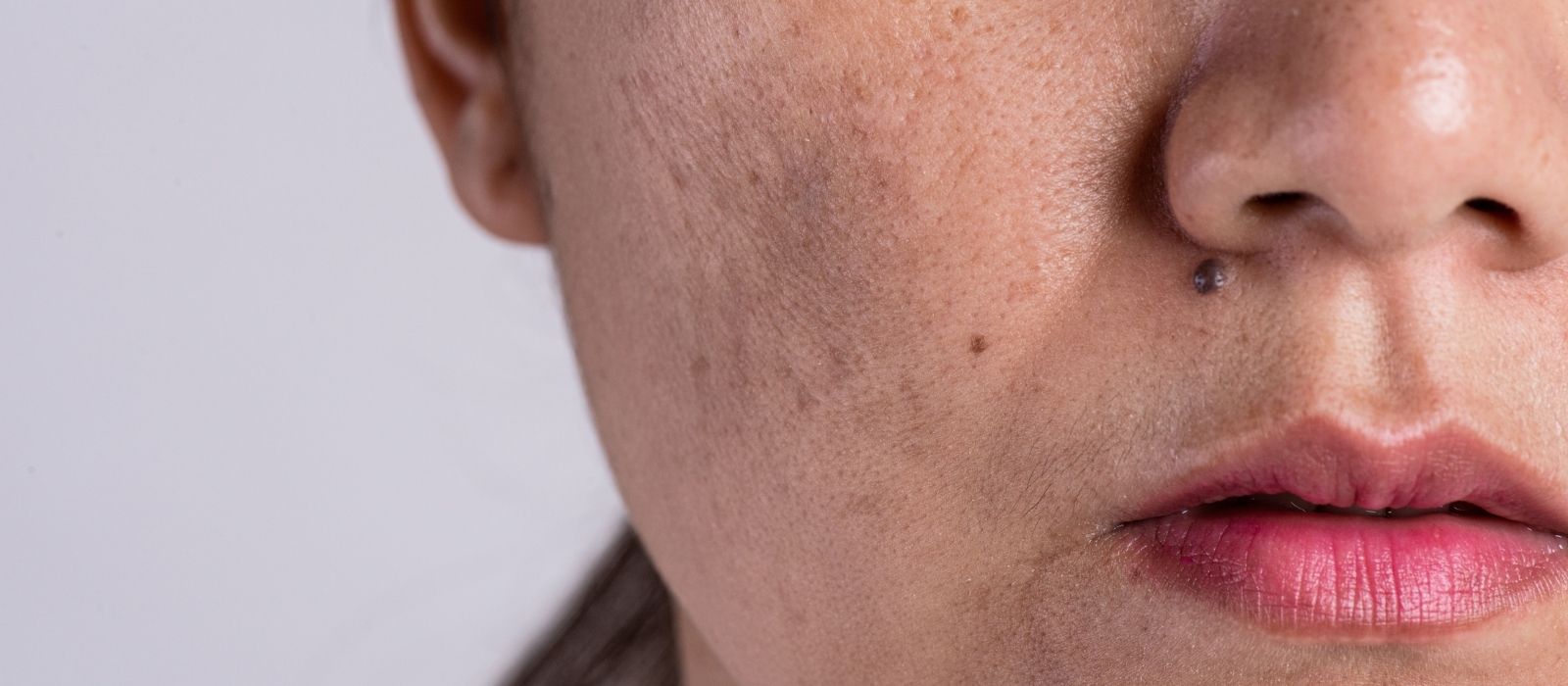
Your skin reflects your internal health faster than any blood test. When microplastics interfere with your hormones, you'll see it as stubborn acne, premature aging, dullness that no product can fix, and inflammation that comes and goes without clear triggers.
What Microplastics Do to Your Hormone System
Microplastics carry chemicals called endocrine disruptors — compounds that interfere with your body's hormone production and signaling. The most problematic ones are BPA, phthalates, and flame retardants that leach from plastic particles once they're inside your body.
These chemicals mimic estrogen, block testosterone, and interfere with thyroid function. A study from Rutgers University found that people with higher levels of phthalates in their urine had significantly altered hormone profiles, particularly reduced testosterone in men and disrupted menstrual cycles in women.
Your endocrine system controls everything from oil production to collagen synthesis to inflammation responses in your skin. When microplastics throw this system off balance, your skin can't maintain its normal repair and protection functions.
How Hormone Disruption Shows Up on Your Skin
Elevated estrogen levels from plastic exposure trigger increased sebum production. That's why you might suddenly develop stubborn hormonal acne in your late twenties or thirties, even if you had clear skin before. The breakouts typically cluster around your chin and jawline — classic signs of hormone-related acne.
Disrupted thyroid function slows down cell turnover, leaving you with rough, bumpy texture that doesn't respond to exfoliation. Your skin looks dull because dead cells aren't shedding properly. Moisturizers sit on top instead of absorbing because your barrier function is compromised.
Microplastics also trigger chronic low-level inflammation throughout your body. This shows up as persistent redness, sensitivity that develops suddenly, and premature aging as inflammatory compounds break down collagen faster than your body can replace it.
Where You're Getting Exposed Daily
Beauty products are major sources of microplastic exposure. Microplastics in cosmetics include microbeads in scrubs, glitter in eyeshadow, and synthetic polymers in foundations and primers. These particles are designed to stay on your skin, but they also get absorbed through your pores and ingested when you use lip products.
Synthetic fabrics shed microfibers every time you wash them. Those particles end up in your water supply and eventually in your body. Food packaging, especially heated plastic containers, leaches microplastics directly into what you eat and drink.
Even your skincare routine can increase exposure if you're using products with plastic packaging that's been sitting in hot warehouses or cars. Heat accelerates the breakdown of plastic into smaller particles that migrate into the product itself.
What This Means for Your Skincare Approach
Traditional skincare focuses on treating symptoms — adding more products to control oil, reduce inflammation, or speed up cell turnover. But when hormone disruption is the root cause, surface treatments won't solve the underlying problem.
Your hormones affect your skin more than any product you apply. Reducing microplastic exposure often resolves skin issues that seemed impossible to treat, especially when combined with supporting your body's natural detoxification processes.
This doesn't mean abandoning effective skincare ingredients. It means choosing products that don't add to your plastic burden while supporting your skin's ability to heal from the inside out.
Supporting Your Skin While Reducing Exposure
Focus on supporting your liver's ability to process and eliminate hormone disruptors. This means eating sulfur-rich foods like broccoli and garlic, staying hydrated to support kidney function, and ensuring you're getting enough fiber to bind toxins in your digestive tract.
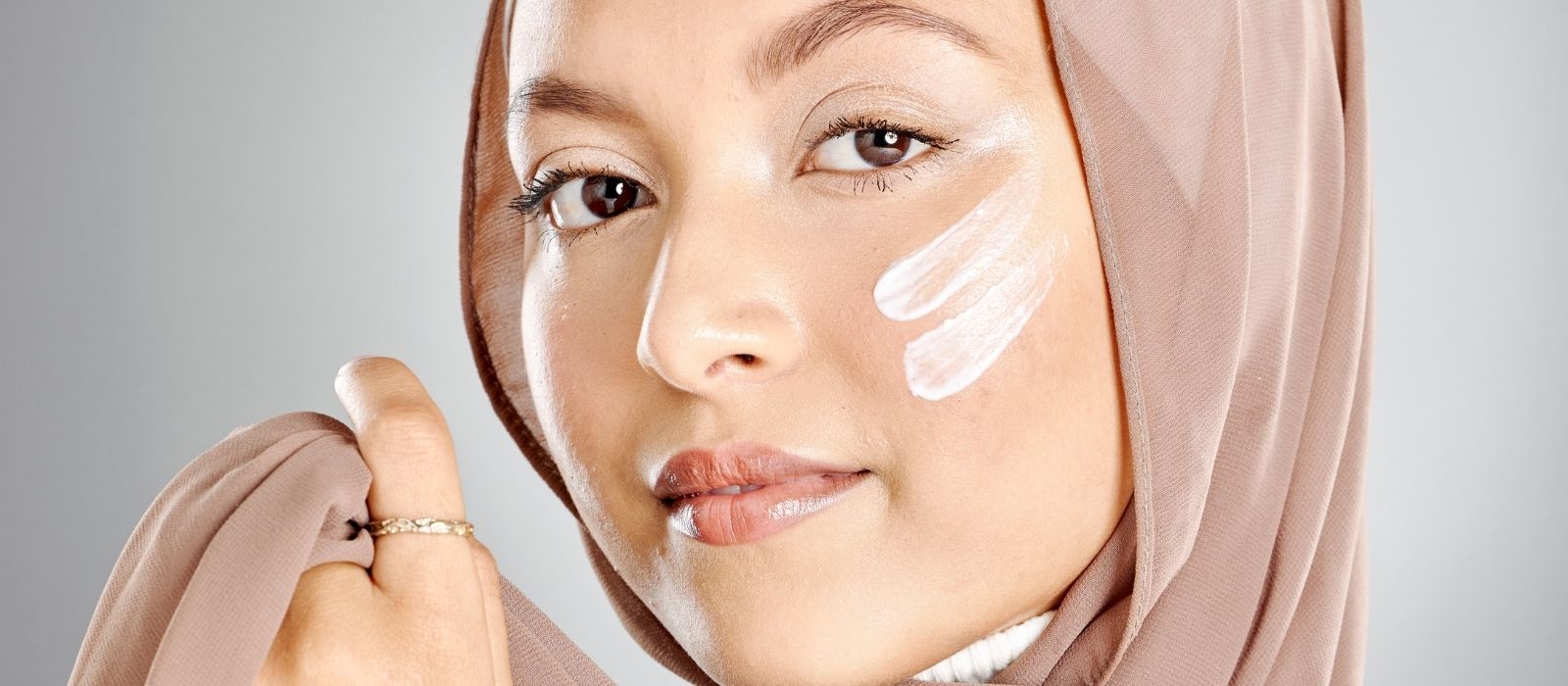
Your skin microbiome also plays a role in processing environmental toxins. Avoid over-cleansing and harsh products that strip beneficial bacteria. Instead, support your skin's natural protective barrier with gentle, microbiome-friendly skincare.
Choose glass or metal containers when possible, filter your water, and wash synthetic clothing less frequently in cold water to reduce microfiber shedding. Small changes in daily habits significantly reduce your total exposure over time.
FAQ
Can microplastics cause sudden adult acne?
Yes, microplastics can trigger adult acne by disrupting hormone levels, particularly increasing estrogen-like activity that stimulates oil production. This often appears as chin and jawline breakouts in people who previously had clear skin.
How long does it take to see skin improvements after reducing microplastic exposure?
Most people notice improvements in 6-12 weeks after reducing exposure and supporting detoxification. Acne typically clears first, followed by improvements in texture and reduced inflammation as hormone levels stabilize.
Do all plastic skincare containers leach microplastics into products?
Not all plastic containers leach significant amounts, but exposure to heat, light, and time increases the risk. Products stored in hot warehouses, cars, or sunny bathrooms are most likely to contain plastic particles that migrated from packaging.