Learn the exact scalp massage techniques that actually stimulate hair growth. Step-by-step guide with timing, pressure, and oil recommendations that work.
You massage your scalp for five minutes every night. Your hair is still falling out at the same rate, and nothing looks thicker. The problem isn't that scalp massage doesn't work, it's that most people do it wrong.
Real scalp massage for hair growth isn't the gentle head rub you give yourself in the shower. It requires specific pressure, targeted movements, and consistent timing that actually increases blood flow to hair follicles. Most tutorials skip the details that make the difference between wasted time and visible results.
Here's what actually works: scalp massage increases hair growth by boosting circulation and reducing tension around follicles. A study published in Dermatology and Therapy found that four minutes of daily scalp massage increased hair thickness in men with androgenetic alopecia after 24 weeks. The key was sustained pressure that stimulated dermal papilla cells, the cells that control hair growth at the follicle base.
Why Most Scalp Massage Doesn't Work
Light fingertip circles feel relaxing but don't create the mechanical stress needed to trigger growth signals. Your follicles need sustained pressure that stretches the scalp tissue and increases blood vessel dilation. That gentle massage you do while shampooing isn't enough force to stimulate circulation changes.
Timing matters more than duration. Five minutes once daily beats 20 minutes twice weekly because follicles respond to consistent daily stimulation. Irregular massage creates temporary circulation boosts that fade before triggering lasting changes to hair growth cycles.
The pressure should feel like a firm handshake, noticeable but not painful. Too light accomplishes nothing. Too hard damages follicles and creates inflammation that actually slows growth.
The Technique That Actually Stimulates Growth
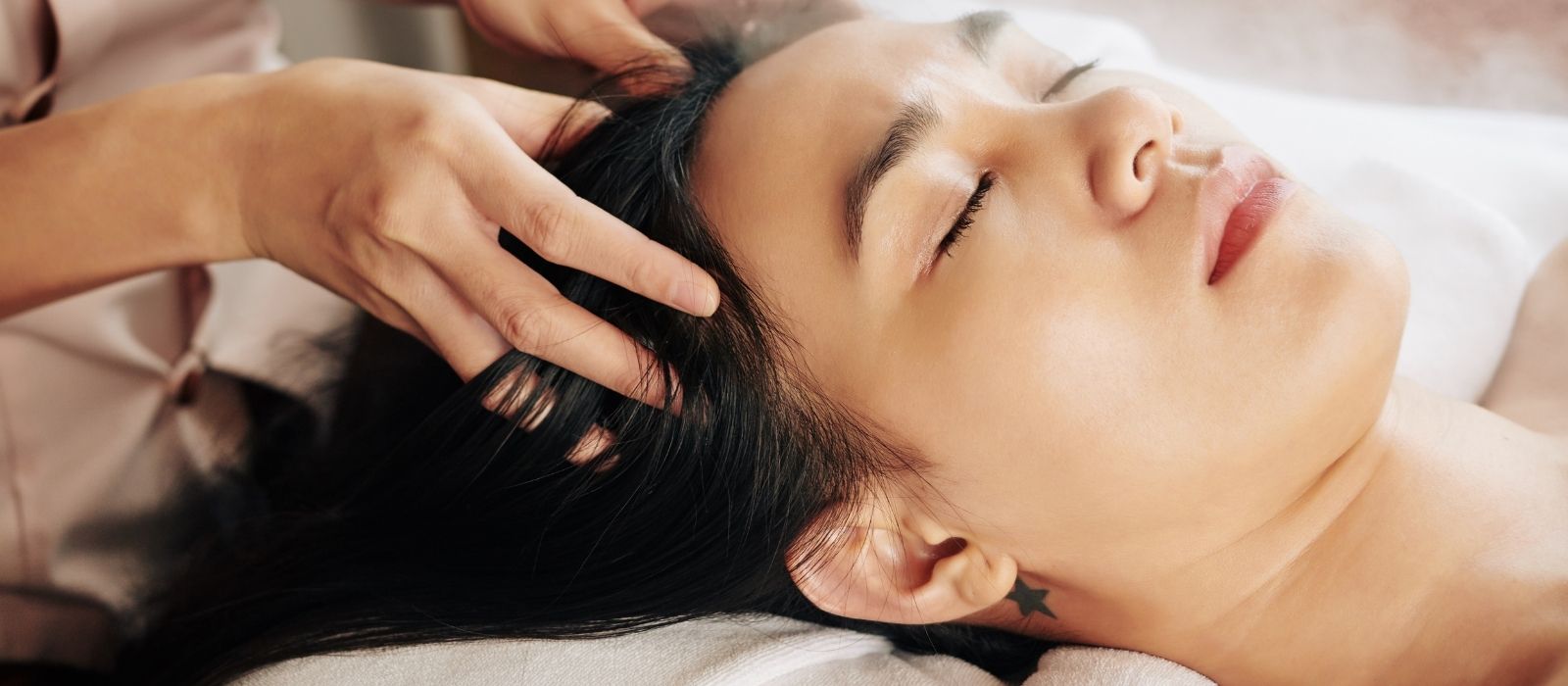
Use your fingertips, not your palms or nails. Place all ten fingertips on your scalp with your hands positioned like you're holding a basketball. Apply firm, steady pressure and move your fingers in small circles without sliding across your hair. You're moving the scalp tissue, not massaging the surface.
Start at your temples and work systematically: temples for 30 seconds, sides above your ears for 30 seconds, back of your head where it curves for one minute, crown for one minute, hairline and forehead area for one minute. Total time: four minutes minimum.
The pressure should feel similar to kneading bread dough, firm enough that you feel resistance from the scalp tissue. If your fingers slide easily across your hair, you're not applying enough pressure to the scalp underneath.
When to Add Oil and Which Ones Work
Oil isn't necessary for the circulation benefits, but certain oils contain compounds that directly support follicle health. Rosemary oil matches minoxidil effectiveness in clinical trials, use 2-3 drops mixed with a carrier oil like jojoba or sweet almond.
Peppermint oil increases blood flow but can irritate sensitive scalps. Test a small area first. Castor oil is thick enough to provide slip during massage without absorbing too quickly, but it doesn't contain growth-stimulating compounds.
Apply oil 10 minutes before massaging, not during. This prevents your fingers from sliding instead of gripping the scalp tissue.
How Long Before You See Results
Hair grows in three-month cycles, so you won't see length changes for approximately 12 weeks. Thickness changes appear first, typically within 6-8 weeks with daily massage. Your scalp will feel looser and less tight within two weeks as circulation improves.
Combine scalp massage with proper scalp health practices for faster results. Address any underlying issues like scalp buildup or inflammation that could be blocking follicles regardless of how much you massage.
The massage works best when your overall health supports hair growth. High cortisol from chronic stress can override circulation benefits by keeping follicles in dormant phases.
Consistency beats intensity every time. Four minutes daily for three months will show more results than 20-minute sessions twice weekly. Your follicles need steady, repeated stimulation to shift into active growth phases.
How often should I do scalp massage for hair growth?
Daily is ideal, four minutes every day consistently beats longer sessions done sporadically. Hair follicles respond better to regular stimulation than intense but infrequent massage.
Can scalp massage make hair loss worse?
Proper technique won't worsen hair loss, but excessive pressure or aggressive rubbing can damage follicles and increase shedding. Firm pressure should never cause pain or leave your scalp sore afterward.
How much pressure should I use during scalp massage?
Use the same pressure you'd apply when kneading bread dough, firm enough to move the scalp tissue underneath without sliding your fingers across the hair surface. It should feel substantial but never painful.
This article is for informational purposes only. It is not a substitute for professional medical advice, diagnosis, or treatment. Always consult a qualified healthcare provider before making changes to your health routine.