Discover how microplastics in tap water affect your skin and hair health. Learn the signs of contamination and effective ways to protect yourself.
Your shampoo costs $30. Your skincare routine takes twenty minutes every night. But the water running through your pipes might be undoing all that work with particles you can't see.
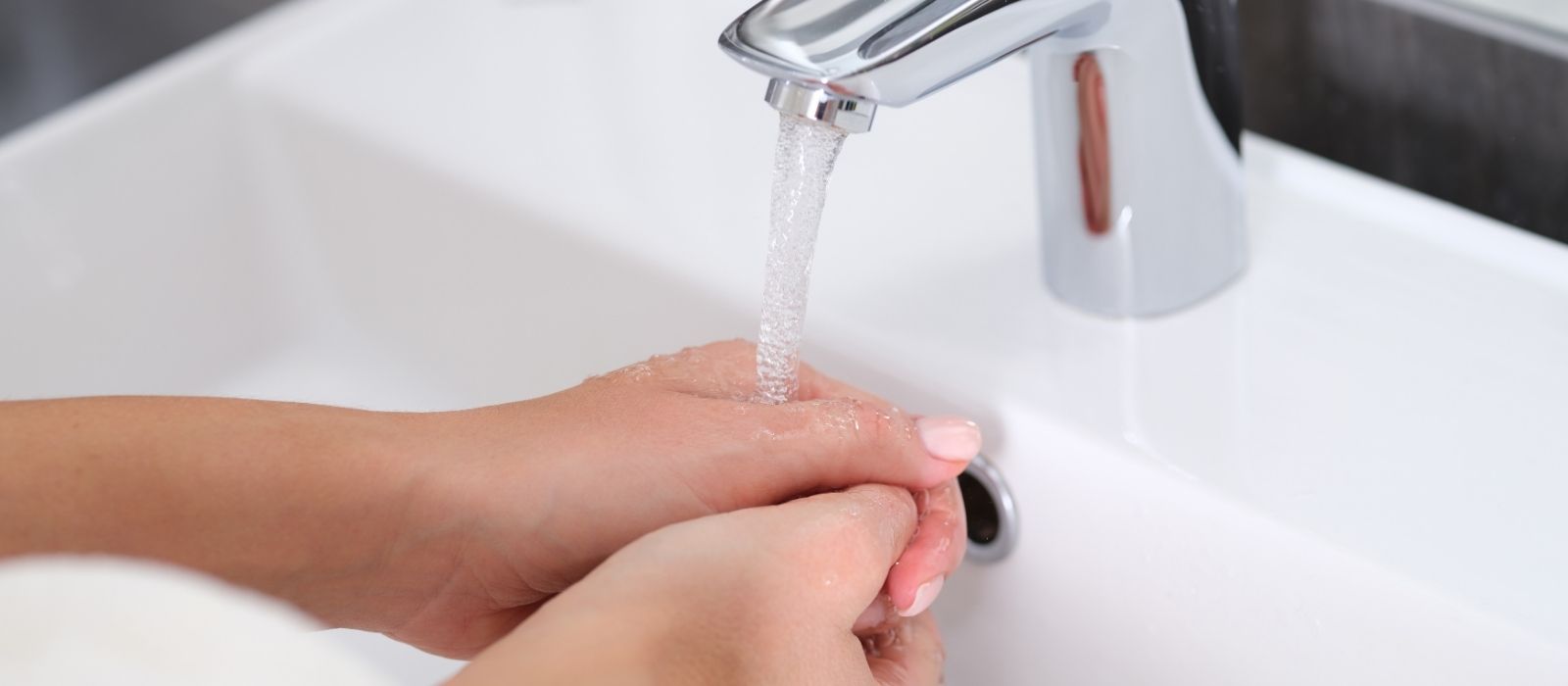
Microplastics show up in tap water samples worldwide, with contamination documented across multiple studies. These microscopic fragments, smaller than 5 millimeters, come from synthetic clothing fibers, car tire wear, and plastic packaging that breaks down over time. They're in your morning shower, your face wash, and every glass of water you drink.
The problem isn't just ingestion. When microplastic-contaminated water touches your skin and scalp repeatedly, it may create a barrier that could disrupt normal cellular processes. Your skin can't shed dead cells properly. Your hair follicles may get clogged with synthetic particles that standard cleansers can't remove.
How Microplastics May Damage Your Skin
Microplastics don't penetrate your skin barrier the way chemical toxins do. Instead, they sit on the surface and may create mechanical irritation through constant friction. Think of them as microscopic sandpaper that you can't feel but your skin cells may register as stress.
Plastic particles on skin surfaces can potentially trigger inflammatory responses. Your skin may produce more sebum to protect itself, potentially leading to clogged pores and breakouts. The inflammation may also break down collagen faster, potentially accelerating signs of aging.
Women with sensitive skin may notice effects first, increased redness, longer healing times for blemishes, and products that used to work suddenly causing irritation. Dark skin may show microplastic damage differently, often as increased hyperpigmentation around areas where water contact is frequent, like the jawline and hairline.
What May Happen to Your Hair and Scalp
Your scalp may bear high concentration of microplastic exposure during washing. Hot water opens hair cuticles and may allow particles to lodge between the scales, potentially creating a rough texture that tangles easily and breaks more often.
Microplastics may also interfere with your scalp's natural oil production. The particles may create a film that prevents sebum from distributing properly down the hair shaft. This could leave your scalp oily at the roots but your ends dry, a combination that's hard to manage with standard products.
The contamination may build up over time. Unlike dirt or product residue that rinses away, microplastics may bond with keratin proteins in your hair. This could explain why your hair feels different even after clarifying treatments, the plastic particles may remain embedded.
Signs Your Water Contains High Levels of Microplastics
Your skin and hair tell you what lab tests cost hundreds to confirm. Sudden changes in how your hair behaves often signal contamination before visible particles appear in your tap.
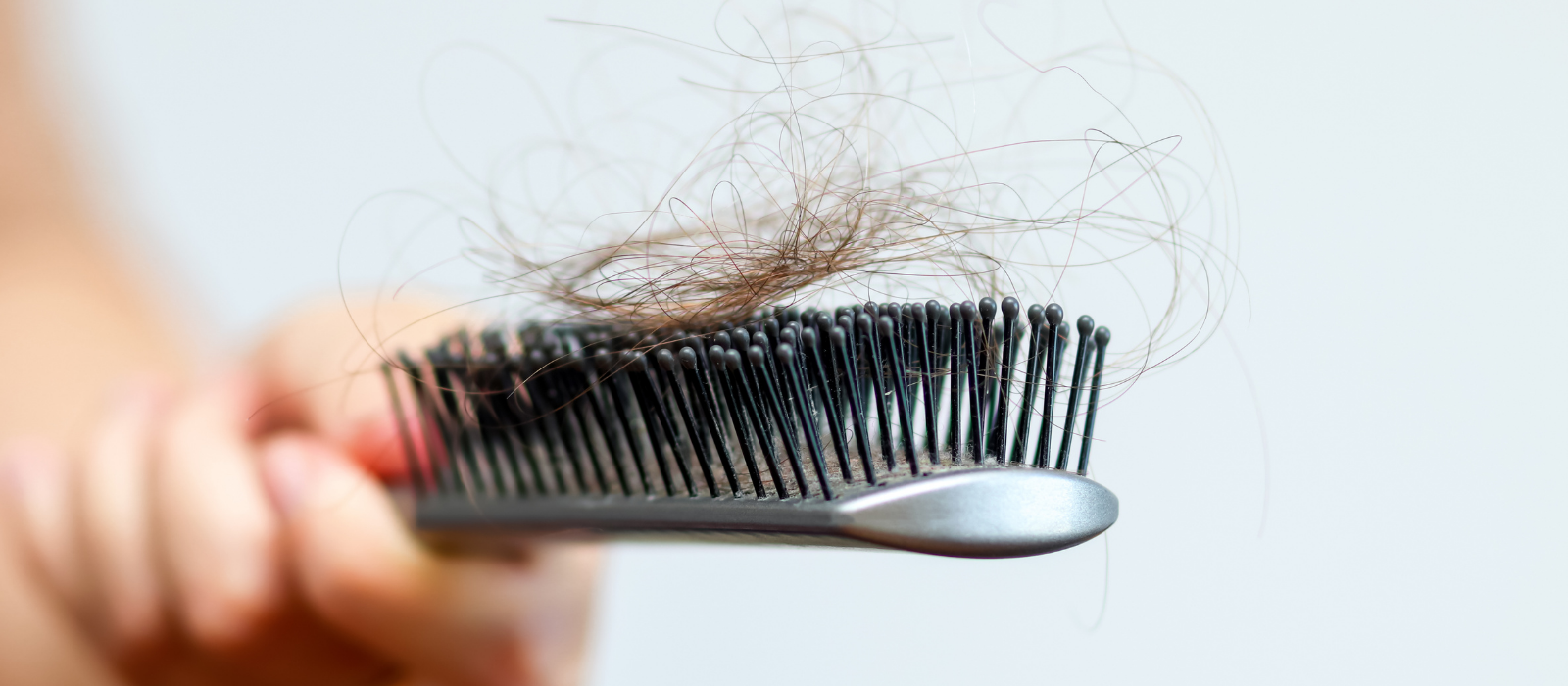
Hair that used to hold curl patterns loses definition faster. Previously manageable tangles become constant knots that resist detangling products. Your usual hair oiling methods stop penetrating properly, leaving oils sitting on the surface instead of absorbing.
Skin symptoms include persistent dryness despite moisturizing, products that burn or sting without obvious cause, and breakouts that don't respond to traditional treatments. These changes are often most noticeable along the hairline and jaw, where shower water hits directly.
Effective Ways to Reduce Microplastic Exposure
Carbon filters remove some microplastics but miss the smallest particles. Reverse osmosis systems catch particles down to 0.1 microns, small enough to eliminate most contamination. Installation runs $200-800 depending on your plumbing setup, but the filtration happens at your main water line, protecting your entire home.
Shower head filters offer targeted protection for hair and skin at $40-120. Look for systems certified to NSF Standard 53, which specifically tests for microplastic removal. Replace cartridges every three months or water flow decreases noticeably.
Washing frequency matters more than product choice. Daily exposure to contaminated water may cause more damage than occasional contact. Limit hair washing to twice weekly when possible, and use dry shampoo between washes to extend time between exposures.
Protecting Your Hair and Skin Long-Term
Pre-filtering water for drinking protects your internal health, but your skin needs external barriers too. Apply lightweight oils before showering to create a protective layer that microplastics can't penetrate as easily. Jojoba and argan oils work best because they don't interfere with cleansing.
Replace synthetic hair accessories with natural materials. Plastic brushes, clips, and ties shed microparticles directly onto your scalp. Wood, metal, and natural fiber alternatives eliminate this additional source of contamination.
The effects aren't permanent. With consistent filtration and protective measures, improvements in hair texture and clearer skin may become noticeable over time. Your scalp health determines how quickly recovery happens, healthier scalps bounce back faster from microplastic damage.
Frequently Asked Questions
Do microplastics in tap water cause hair loss?
Microplastics don't directly cause hair follicles to stop growing, but they create scalp inflammation that can worsen existing hair loss conditions. The particles clog follicles and interfere with normal shedding cycles, making hair appear thinner over time.
Can you see microplastics in tap water?
Most microplastics in tap water are invisible to the naked eye, measuring between 0.1-5 millimeters. You might notice cloudy water or tiny floating particles in a clear glass, but the majority of contamination requires microscopic detection.
Do water filters really remove microplastics from tap water?
Reverse osmosis and ultrafiltration systems remove up to 99% of microplastics from tap water. Standard carbon filters catch larger particles but miss the smallest ones. Check for NSF certification and specific microplastic removal claims when choosing filtration systems.
This article is for informational purposes only. It is not a substitute for professional medical advice, diagnosis, or treatment. Always consult a qualified healthcare provider before making changes to your health routine.