Your skin and hair mirror your stress levels. Learn how burnout affects skin and hair, from hair loss to breakouts, plus what actually helps repair the damage.
Your skin breaks out the week before your biggest deadline. Your hair starts falling out in clumps three months into your most stressful job. That weird rash appears right when your relationship implodes.
Your body keeps score, and it shows up first on your skin and scalp. Burnout doesn't just drain your energy — it rewrites your biology. What cortisol does to your skin becomes visible within weeks, while hair changes can take months to surface but years to fully reverse.
Here's what actually happens: chronic stress floods your system with cortisol, disrupts your sleep cycles, and redirects resources away from non-essential functions like growing strong hair and maintaining clear skin. Your body prioritizes keeping you alive over keeping you looking good.
How Stress Rewrites Your Skin
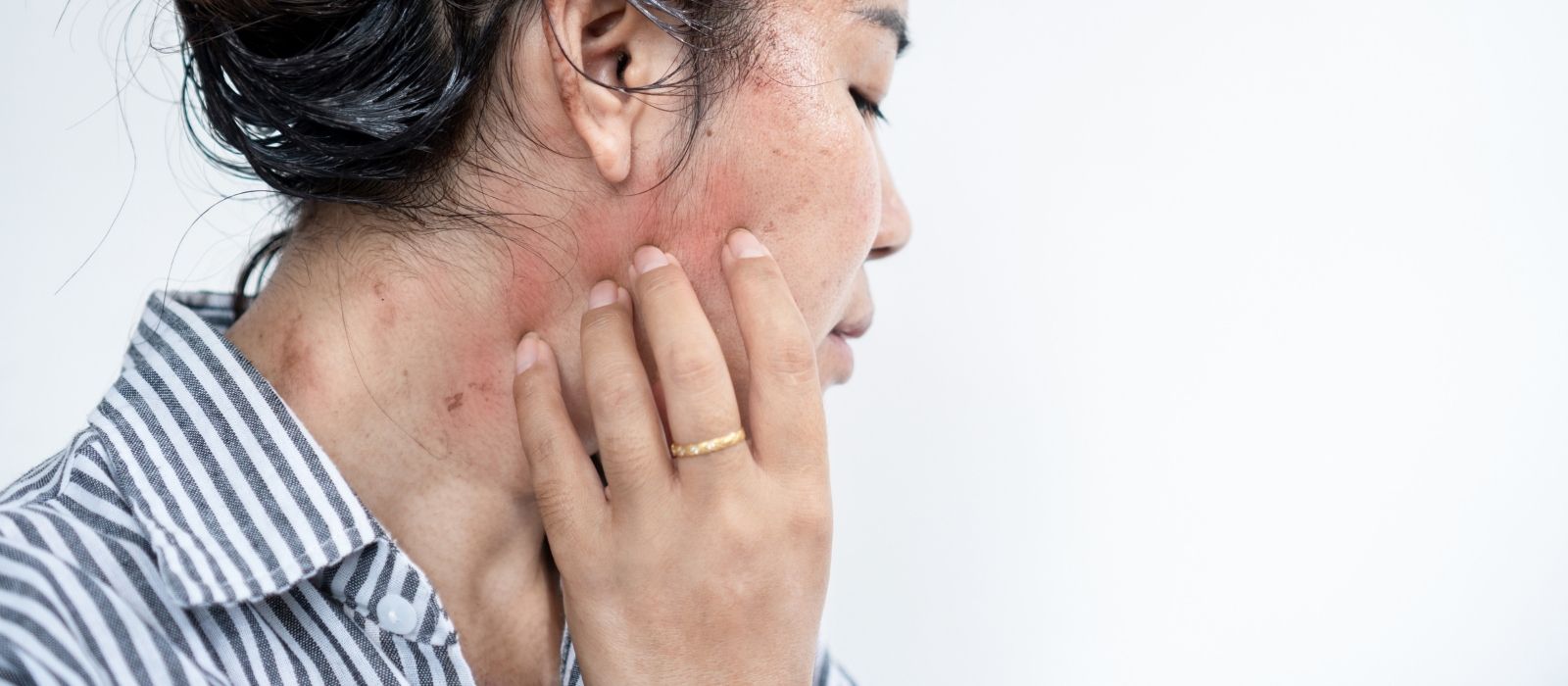
Cortisol triggers your sebaceous glands to pump out more oil, which is why you get breakouts during high-stress periods even if your routine hasn't changed. It also breaks down collagen faster than your body can rebuild it, creating fine lines and that tired, dull look that no concealer can fix.
Chronic stress weakens your skin barrier too. That means irritants get in easier and moisture escapes faster. You'll notice products that never bothered you before suddenly causing reactions. Your skin becomes thinner, more sensitive, and slower to heal from any damage.
There's also the inflammation factor. Stress hormones create a constant low-level inflammatory response in your body. This shows up as redness, sensitivity, and conditions like eczema or psoriasis flaring up or appearing for the first time.
Why Your Hair Pays the Price
Hair loss from burnout usually follows a specific timeline. The hair you lose today stopped growing months ago when your stress levels peaked. This is called telogen effluvium — your hair follicles essentially go into hibernation mode to conserve energy.
You might notice your hair texture changing before you see actual loss. Strands become finer, more brittle, or lose their natural curl pattern. Stress causes hair loss by shortening the growth phase of your hair cycle and pushing more follicles into the resting phase simultaneously.
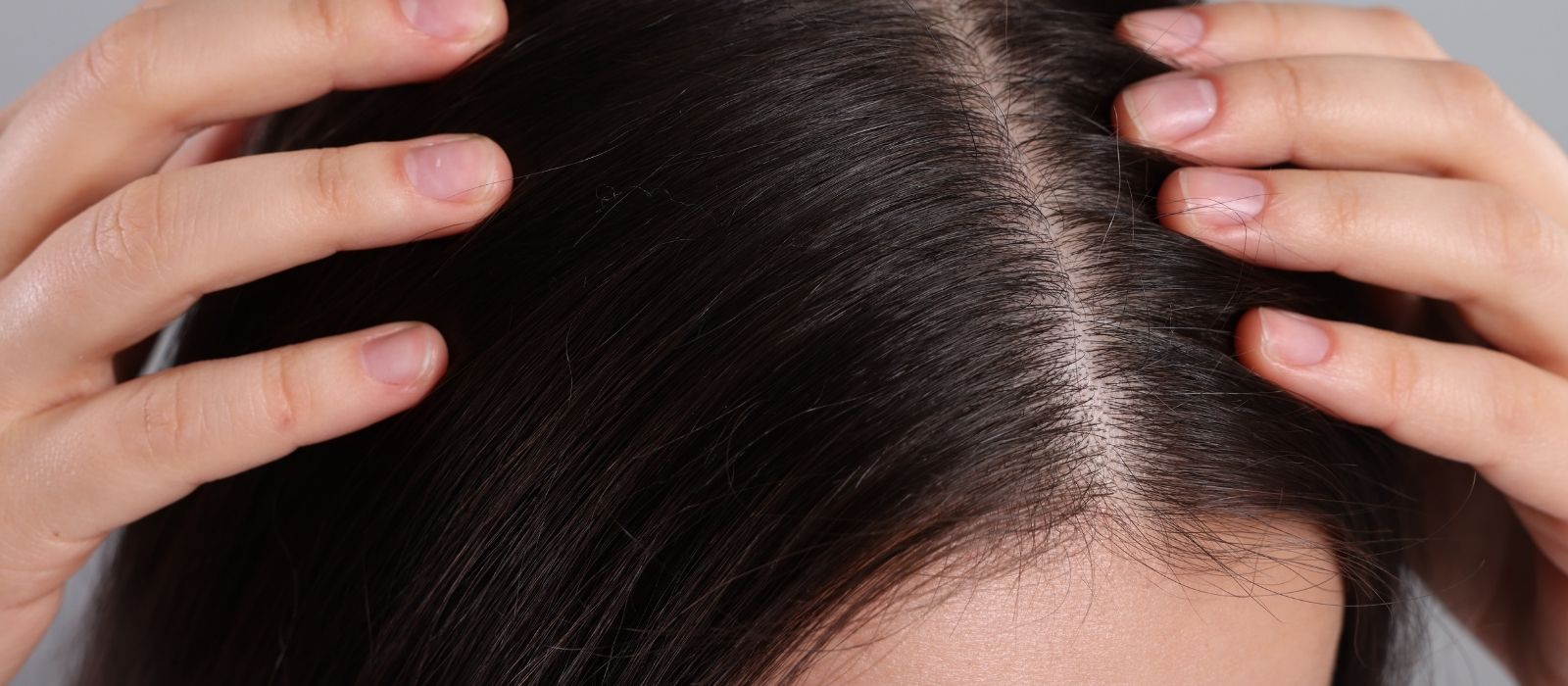
The scalp environment changes too. Stress reduces blood flow to your scalp, which means hair follicles get fewer nutrients. You might develop dry scalp or dandruff that wasn't there before, or notice your scalp feeling tight and uncomfortable.
The Sleep Connection Nobody Talks About
Burnout destroys your sleep quality, which creates its own cascade of skin and hair problems. Sleep affects your skin and hair more than most topical treatments because that's when your body does its repair work.
Poor sleep means less growth hormone production, which your body needs to regenerate skin cells and grow healthy hair. It also disrupts your circadian rhythm, throwing off the natural cycles that govern everything from oil production to hair growth phases.
What Actually Helps
You can't skincare your way out of burnout, but you can support your body while you address the root cause. Start with basics: consistent sleep schedule, adequate protein intake, and gentle products that won't further irritate compromised skin.
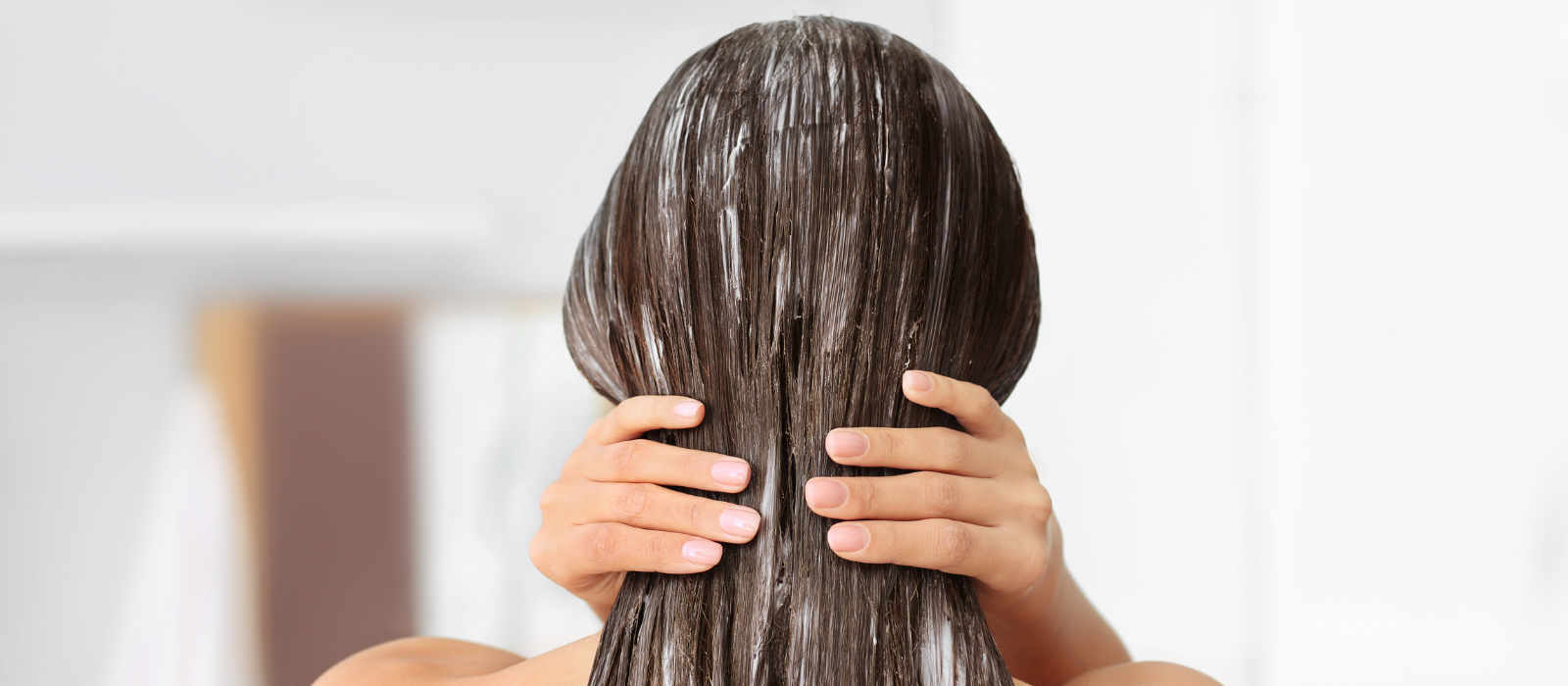
For hair, focus on scalp health rather than length. Gentle scalp massage improves blood flow, and avoiding tight styles prevents additional stress on already vulnerable follicles. Hair oiling methods can help nourish your scalp during recovery.
The most important thing is time. Hair grows slowly, so visible improvements take several months minimum. Skin bounces back faster — usually within several weeks once stress levels drop — but deep damage like premature aging takes longer to address.
Don't expect overnight fixes. Your body is trying to protect you the best way it knows how. Supporting it through burnout recovery means treating symptoms gently while you work on the bigger picture of reducing chronic stress.
Frequently Asked Questions
how long does it take for hair to grow back after burnout
Hair typically starts regrowing several months after stress levels decrease, with noticeable length returning within six to eight months. Full recovery can take over a year since you need to grow entirely new hair from the follicle.
can stress cause permanent hair loss
Telogen effluvium from burnout is usually temporary, but chronic stress lasting years can contribute to pattern hair loss in genetically predisposed individuals. Most stress-related hair loss reverses once cortisol levels normalize.
why does my skin break out more when I'm stressed
Cortisol increases oil production in your sebaceous glands while also raising inflammation levels throughout your body. This combination creates conditions favorable for acne, especially along your jawline and chin where stress breakouts commonly appear.
This article is for informational purposes only. It is not a substitute for professional medical advice, diagnosis, or treatment. Always consult a qualified healthcare provider before making changes to your health routine.