Find gentle facial hair removal methods that won't cause irritation, razor burn, or ingrown hairs. Compare threading, dermaplaning, IPL, and other effective options for sensitive skin.
You try waxing your upper lip and end up with red welts for three days. You attempt tweezing and your skin looks irritated and bumpy. Even shaving leaves you with razor burn that makes you want to hide your face.
Finding the best facial hair removal methods for women that won't irritate your skin comes down to matching the technique to your skin's tolerance level and hair type. Some methods work through cutting, others through pulling from the root, and newer options use light or heat to disable follicles entirely.
The gentlest approaches avoid trauma to surrounding skin tissue while still removing unwanted hair effectively. Your skin reacts to different removal methods based on thickness, sensitivity, and how prone you are to inflammation. Getting this match right means you can remove facial hair without the angry aftermath.
Threading: Most Precise for Sensitive Skin
Threading removes hair by trapping individual strands between twisted cotton thread and pulling them from the root. A skilled technician can target single hairs without touching surrounding skin, making it ideal for sensitive areas like around the eyes or over acne-prone skin.
The technique doesn't involve chemicals, hot wax, or blades against your skin. There's no risk of burns, cuts, or allergic reactions. Threading works on all hair types and colors, including fine vellus hair that lasers can't detect.
Threading does hurt. The sensation is sharp but brief since each hair gets pulled quickly. Your skin might look slightly pink immediately after, but this fades within an hour for most people. Results typically last several weeks since hair gets removed from the root.
Dermaplaning: Professional-Grade Shaving
Dermaplaning uses a sterile surgical scalpel to shave hair at skin level while removing dead skin cells. This creates smooth skin texture and helps skincare products absorb better. The blade sits at a 45-degree angle and skims across skin surface rather than pressing down.
Done correctly by a trained aesthetician, dermaplaning doesn't cause nicks or razor burn. The technique removes both hair and the top layer of dead skin, which is why your face looks so smooth afterward. It works best on fine to medium facial hair.
You'll need treatments regularly since hair only gets cut at surface level. Dermaplaning typically costs between $75-150 per session. Some people worry that shaving makes hair grow back thicker, but this is a myth. Hair appears blunt when it first emerges because the tip was cut, not because the hair itself changed.
IPL and Laser: Long-Term Reduction
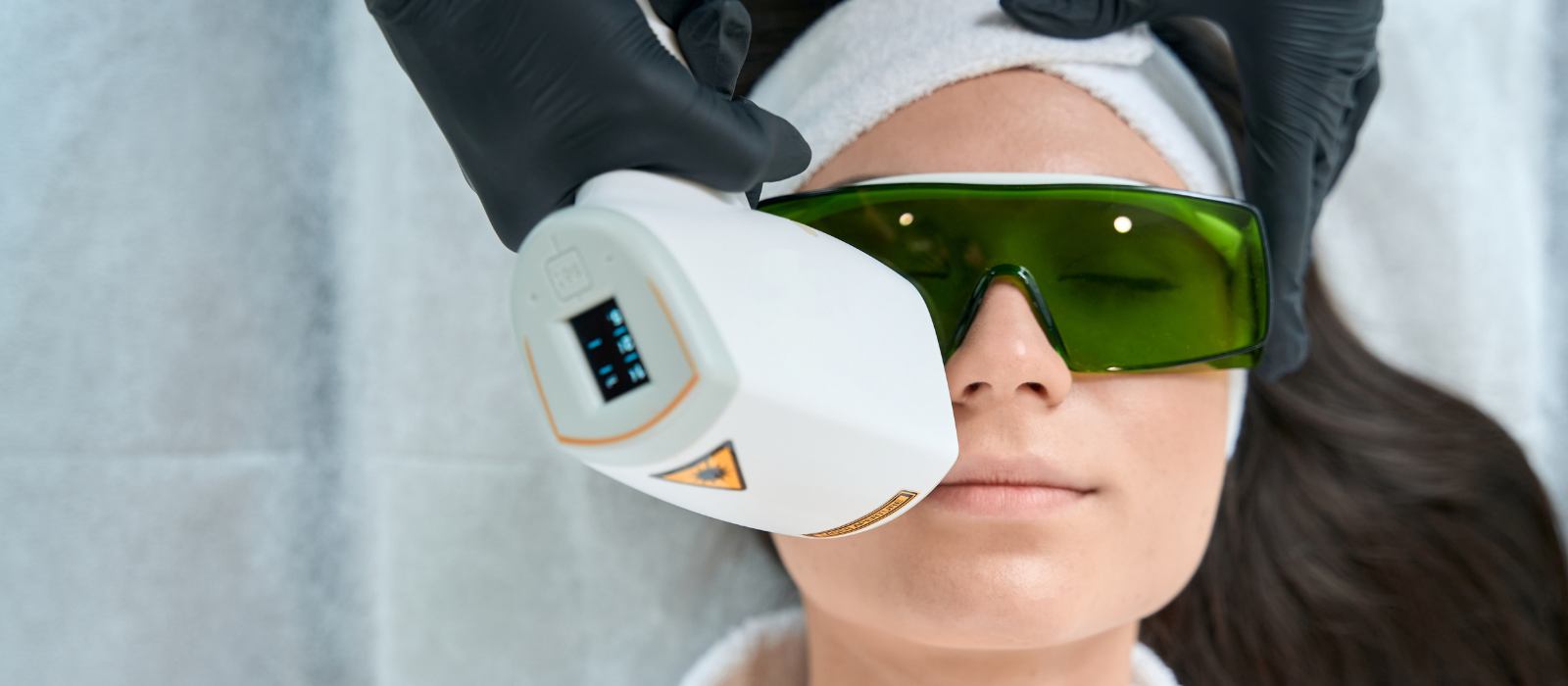
Intense pulsed light (IPL) and laser treatments target the pigment in hair follicles to disable growth. The light energy converts to heat, damaging the follicle enough to slow or stop hair production. Both work best on dark hair and light skin because the contrast allows better targeting.
IPL uses broad-spectrum light while laser uses a single wavelength. Laser tends to be more effective but also more expensive. Treatment areas might look slightly red immediately after, similar to mild sunburn, but this resolves within hours.
You need multiple treatments spaced several weeks apart for significant reduction. Maintenance sessions once or twice yearly help sustain results. IPL and laser pricing varies significantly by location and provider. Neither method works on gray, white, or very light hair since there's insufficient pigment to target.
At-Home Options That Actually Work
Home IPL devices like the Philips Lumea or Braun Silk-expert use the same technology as professional treatments but at lower intensities. They're safer for untrained users but require more sessions for results. Expect to see reduction after multiple treatments over several months.
Precision tweezers with good lighting can handle small areas effectively. Look for slanted tips that grab hair close to the root. Tweeze after a warm shower when pores are open and hair is softer.
Electric facial razors designed for women use small cutting heads and guard combs to prevent nicks. They're gentler than regular razors but still cut hair at surface level. Replace heads regularly to maintain effectiveness.
What Doesn't Work for Sensitive Skin
Facial waxing strips often leave residue and can tear delicate facial skin. The adhesive irritates sensitive areas and removal technique matters more than most people realize. Waxing also increases ingrown hair risk, especially on darker skin tones.
Hair removal creams contain harsh chemicals like calcium thioglycolate that dissolve hair proteins. These same chemicals can burn facial skin, particularly around the eyes and mouth. Even products labeled for sensitive skin can cause reactions.
Epilators grab multiple hairs and yank them simultaneously, causing more trauma than threading or tweezing. The mechanical action often breaks hairs below surface level rather than removing them completely, leading to faster regrowth and potential ingrowns.
Your best approach combines methods based on area and hair type. Understanding why facial hair appears can help you choose long-term solutions. Threading works perfectly for eyebrows and upper lip maintenance.
IPL or laser provides lasting reduction for larger areas. Gentle aftercare practices prevent irritation regardless of which method you choose.
Frequently Asked Questions
What is the least painful facial hair removal method?
Dermaplaning causes the least discomfort since it only involves light scraping motions across skin surface. Threading and tweezing cause more pain because they pull hair from the root, but the sensation is brief and localized.
How often should you remove facial hair without damaging skin?
Threading and tweezing can be done as hair regrows to visible length. Dermaplaning should be done less frequently to avoid over-exfoliating. Daily shaving is safe if you use proper technique and moisturize afterward.
Why does my skin get bumps after facial hair removal?
Bumps typically result from follicle irritation, ingrown hairs, or allergic reactions to products used during removal. High stress levels can also make skin more reactive to hair removal procedures, causing increased inflammation and longer healing times.
This article is for informational purposes only. It is not a substitute for professional medical advice, diagnosis, or treatment. Always consult a qualified healthcare provider before making changes to your health routine.