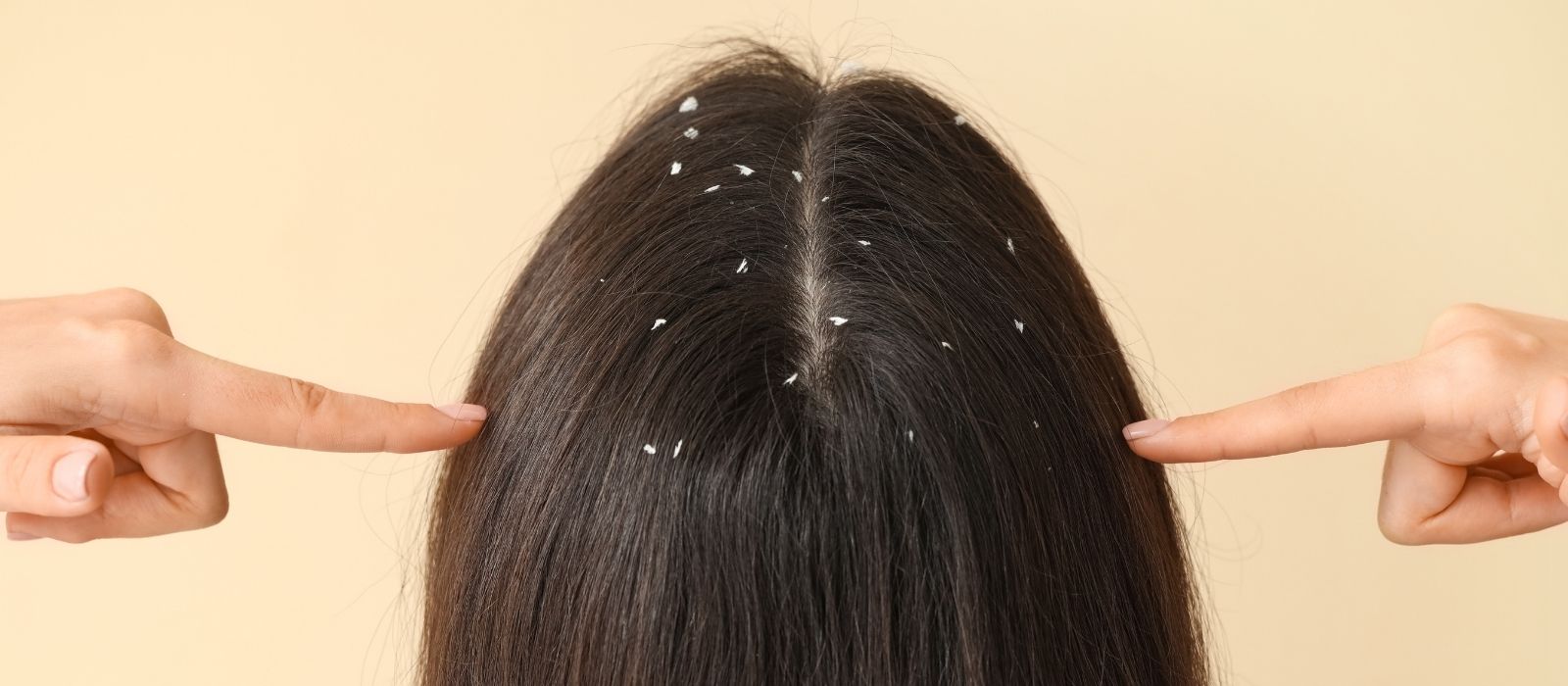
Discover what causes scalp buildup on natural hair and how to fix it. Learn the difference between buildup and dry scalp, plus proven removal methods.
Your scalp feels tight. There's white, flaky residue at your roots that won't brush away. You've been using the same curl cream for months, but suddenly your hair feels coated and lifeless. That's product buildup, and it's blocking everything good from getting to your scalp.
Product buildup happens when ingredients from shampoos, conditioners, styling products, and even hard water minerals accumulate on your scalp and hair shaft. Natural hair is especially prone because the curved structure traps products more easily than straight hair. The buildup creates a barrier that prevents moisture from penetrating while suffocating your hair follicles.
What causes scalp buildup on natural hair comes down to three main factors: heavy styling products, infrequent clarifying, and water quality. Most people think they need more moisture when their hair feels dry and brittle, but buildup might be the real culprit blocking hydration from reaching the hair shaft.
What Actually Causes Scalp Buildup
Heavy creams and butters are the biggest offenders. Shea butter, coconut oil, and thick leave-in conditioners contain molecules too large to penetrate deeply. When you apply these products repeatedly without proper cleansing, they layer on top of each other. Your scalp produces natural oils, but the buildup prevents them from traveling down the hair shaft where they're needed.
Sulfate-free shampoos don't always clean thoroughly enough. They're gentle, but some natural hair needs stronger cleansing power to remove buildup. The marketing around 'gentle' cleansing has led people to avoid anything that creates lather, but buildup requires surfactants strong enough to break through accumulated residue.
Hard water makes everything worse. Calcium and magnesium minerals bind to hair proteins and create a film that's nearly impossible to remove with gentle shampoos alone. If you live in an area with hard water, you're fighting an uphill battle against mineral deposits every time you wash.
How to Tell If You Have Buildup vs Other Scalp Issues
Buildup feels different than dry scalp or dandruff. With buildup, your hair feels coated even when wet. Products sit on top instead of absorbing. Your usual styling routine stops working because nothing can penetrate the barrier.
Dry scalp flakes are small and white. Dandruff flakes are larger and yellowish. Buildup creates a waxy, sticky feeling with white residue that clumps together.
Run your fingers through your roots after washing. If there's still a film or your hair doesn't feel clean, that's buildup.
How to Remove Scalp Buildup Safely
Clarifying shampoo is your best option, but not all are created equal. Look for ones with sulfates if your hair can handle them, or strong surfactants like sodium C14-16 olefin sulfonate if you want sulfate-free. Use clarifying shampoo every 2-4 weeks, not weekly. Overuse strips natural oils and creates the dryness you're trying to avoid.
Apple cider vinegar removes mineral buildup that shampoo can't touch. Mix one part ACV with three parts water. Apply to wet hair, focus on the scalp, leave for 5 minutes, then shampoo.
The acidity breaks down calcium and magnesium deposits. Do this monthly if you have hard water.
Bentonite clay pulls impurities from the scalp without harsh chemicals. Mix 2 tablespoons of clay with enough water to make a paste. Apply to damp hair, focusing on roots.
Leave for 15-20 minutes, then rinse thoroughly and follow with conditioner. The clay swells and grabs onto buildup particles.
Preventing Future Buildup
Rotate your products instead of using the same routine daily. Heavy creams and oils should be used sparingly and not every wash day. Focus hair oiling methods on mid-lengths and ends rather than saturating your scalp.
Install a water softener or shower filter if you have hard water. This prevents mineral deposits from forming in the first place. Check your local water quality report to see hardness levels. Anything above 7 grains per gallon is considered hard water.
Pay attention to scalp health signals. Buildup affects more than just appearance. It can slow hair growth by clogging follicles and create an environment for bacteria and fungus to thrive. Clean hair grows faster and stronger.
FAQ
How often should I clarify natural hair?
Every 2-4 weeks depending on how many heavy products you use. If you use minimal styling products, once a month is enough. Heavy product users might need weekly clarifying.
Can I use regular shampoo to remove buildup?
Regular shampoo works if it contains sulfates, but clarifying shampoos are specifically formulated to remove stubborn residue. Gentle, sulfate-free shampoos won't cut through significant buildup.
Why does my hair feel dry after removing buildup?
Your hair was used to the artificial coating from buildup. Once removed, it feels different until you restore proper moisture balance with lighter products that actually penetrate the hair shaft.
This article is for informational purposes only. It is not a substitute for professional medical advice, diagnosis, or treatment. Always consult a qualified healthcare provider before making changes to your health routine.