Red light therapy promises to regrow hair without side effects. Here's what the clinical research actually shows about LED devices for hair loss and thinning.
The ads are everywhere: LED caps promising regrowth in minutes a day, before-and-after photos, and price tags that run into the hundreds or thousands for something that looks like a prop from a sci-fi film.
The pitch is painless light that wakes sleeping follicles. No prescription, no side effects, no sticky topicals. Just put on the cap.
Here's what the research shows. Red light therapy for hair growth has some evidence behind it, but less than the marketing implies. The results are modest, take months, and have only been tested in one type of hair loss.
How Red Light Therapy Works for Hair Growth
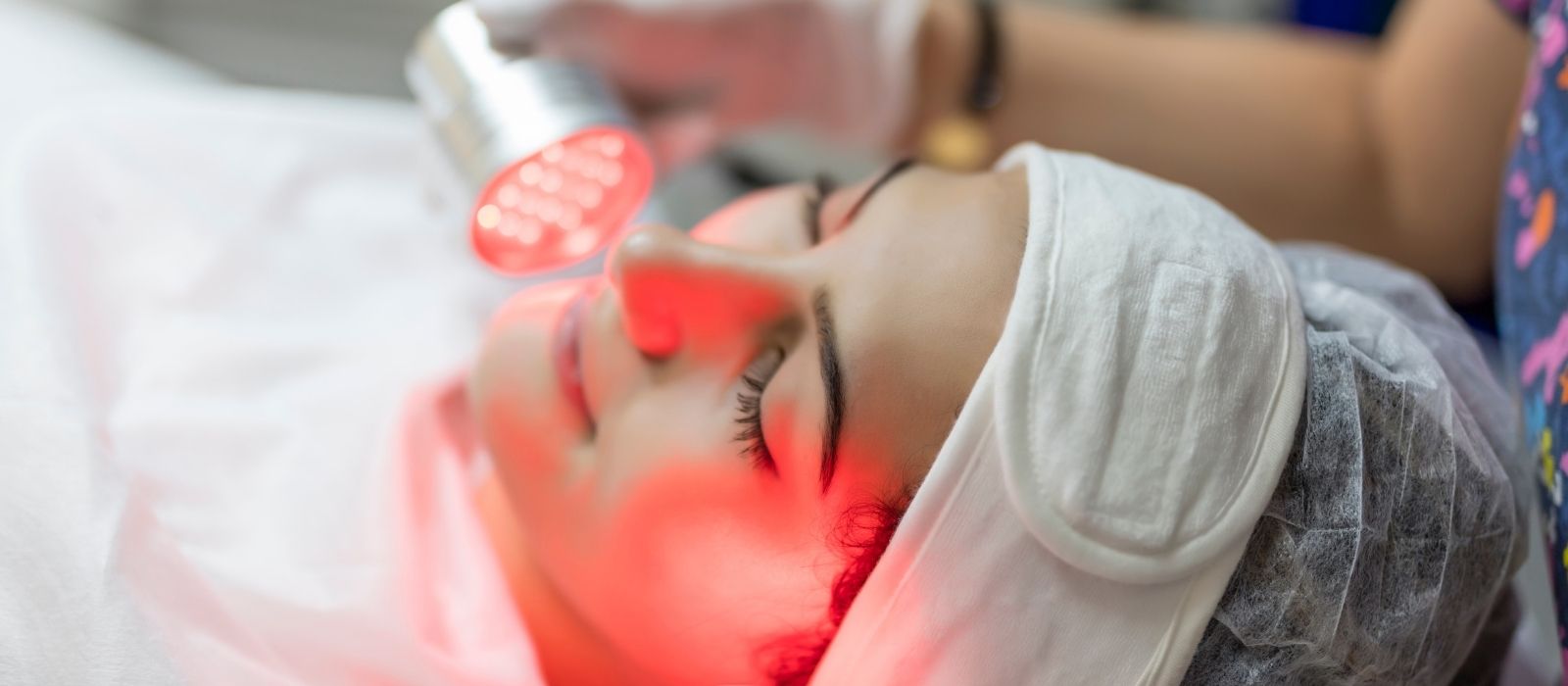
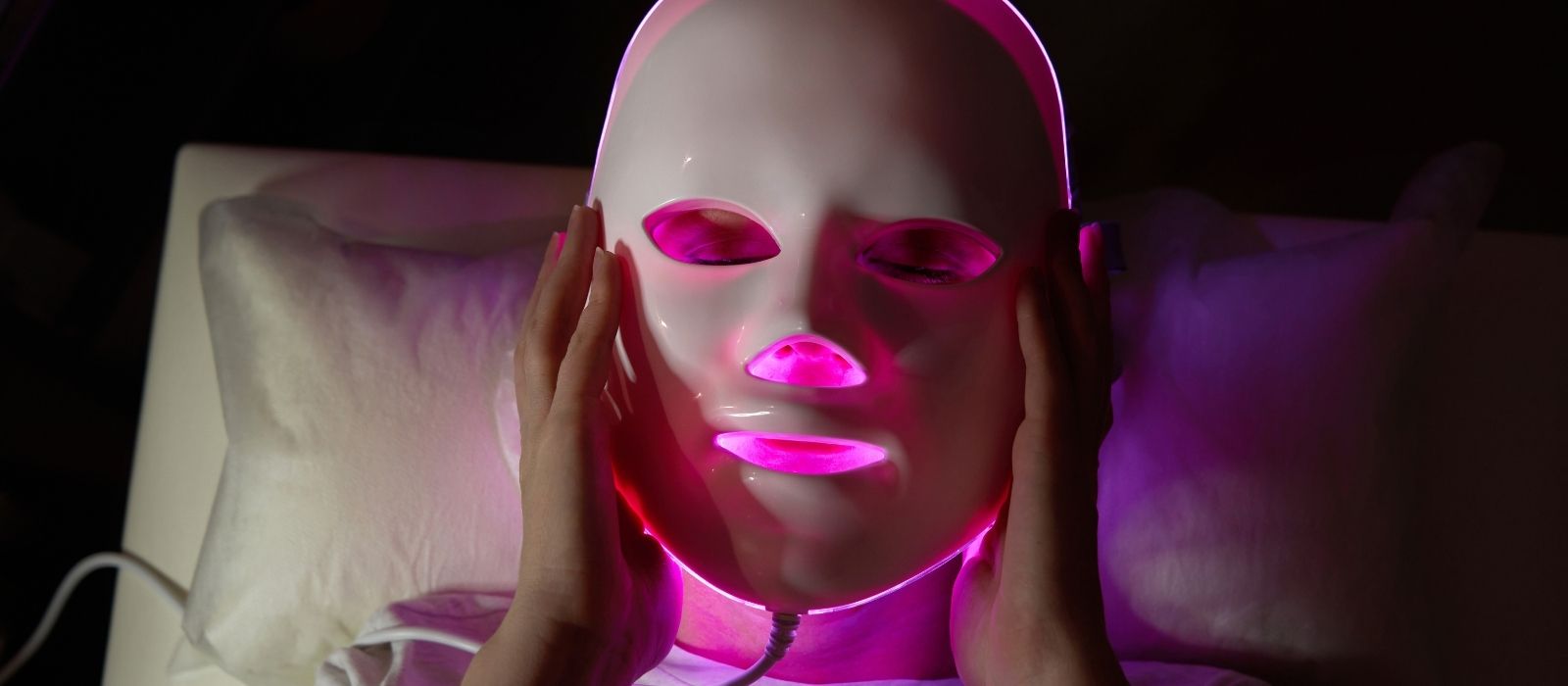
These devices shine red or near-infrared light, from lasers or LEDs, onto the scalp. The technical name is low-level light therapy, or photobiomodulation. The idea is that the light reaches follicles that have shrunk but are still alive.
The leading theory is that light energy is absorbed by the mitochondria in follicle cells and nudges them to make more ATP, the fuel cells run on. In theory, more energy keeps follicles in their growth phase longer and produces thicker strands. That's still a hypothesis, not something measured in women's scalps.
Better blood flow and less inflammation around the follicle are also proposed. Both are plausible, and neither has been pinned down in people.
What's clear is that it can only work on follicles that are still producing hair. If a patch has been completely bald for years, light won't bring it back. This is a treatment for thinning, not for lost hair.
What the Clinical Studies Actually Show
The strongest single piece of evidence is a 2014 set of trials in 269 men and women with pattern hair loss. People using a low-level laser comb had greater increases in hair density after 26 weeks than people using a sham device that looked the same but didn't emit therapeutic light. No serious side effects were reported.
That's encouraging, but it was one device, used for six months, in one type of hair loss. Whether a cheaper cap or helmet delivers the same light dose is something you usually can't check.
For women with androgenetic alopecia, the picture is mixed. A Cochrane review of treatments for female pattern hair loss found the laser comb increased hair counts compared with a sham device, but women using it weren't more likely to say their hair had improved, and the reviewers called the results inconsistent.
Across the research, one thing is consistent: this is aimed at early hair loss. If you've just noticed your part widening or your ponytail getting thinner, you're a better candidate than someone with advanced loss.
Consumer Devices vs Professional Treatment
Home devices vary a lot in design and light output. The device in the 2014 trials was a specific laser comb, so its results don't automatically carry over to any cap with red lights in it.
Several laser devices have FDA clearance for hair loss, which is worth looking for. Clearance isn't the same as proof that a device works well, but it does mean the maker had to submit evidence to the FDA.
Dermatology clinics also offer in-office laser treatment. The American Academy of Dermatology says it takes many sessions, often several a week for many months, and describes the evidence as promising but limited to a few studies.
Realistic Expectations and Timeline
If red light therapy works for you, it won't be fast. The main trials ran for 26 weeks, with the device used about three times a week, so give it at least six months before deciding.
The changes are small. You're looking at somewhat denser hair, not the hairline you had at 20.
It can sit alongside other care. Keeping your scalp healthy and regular massage won't hurt, and some people use light therapy together with minoxidil or other treatments their dermatologist recommends.
Treat it as ongoing. The trials only lasted months, so nobody knows how long any gains hold once you stop. Finding out what's causing your hair loss first tells you whether this is even worth trying.
Frequently Asked Questions
Does red light therapy work for all types of hair loss?
No. The trials were in androgenetic alopecia (male and female pattern hair loss). There's no good evidence that it helps alopecia areata, scarring alopecia or other types.
How long do you need to use red light therapy to see results?
The main trials ran for 26 weeks with the device used about three times a week. Plan on at least six months of steady use before you judge it.
Are cheap LED hair growth caps worth buying?
Hard to say, because most cheaper caps haven't been tested in trials. If you buy one, choose a device with FDA clearance for hair loss and expect modest results at best.
This article is for informational purposes only. It is not a substitute for professional medical advice, diagnosis, or treatment. Always consult a qualified healthcare provider before making changes to your health routine.