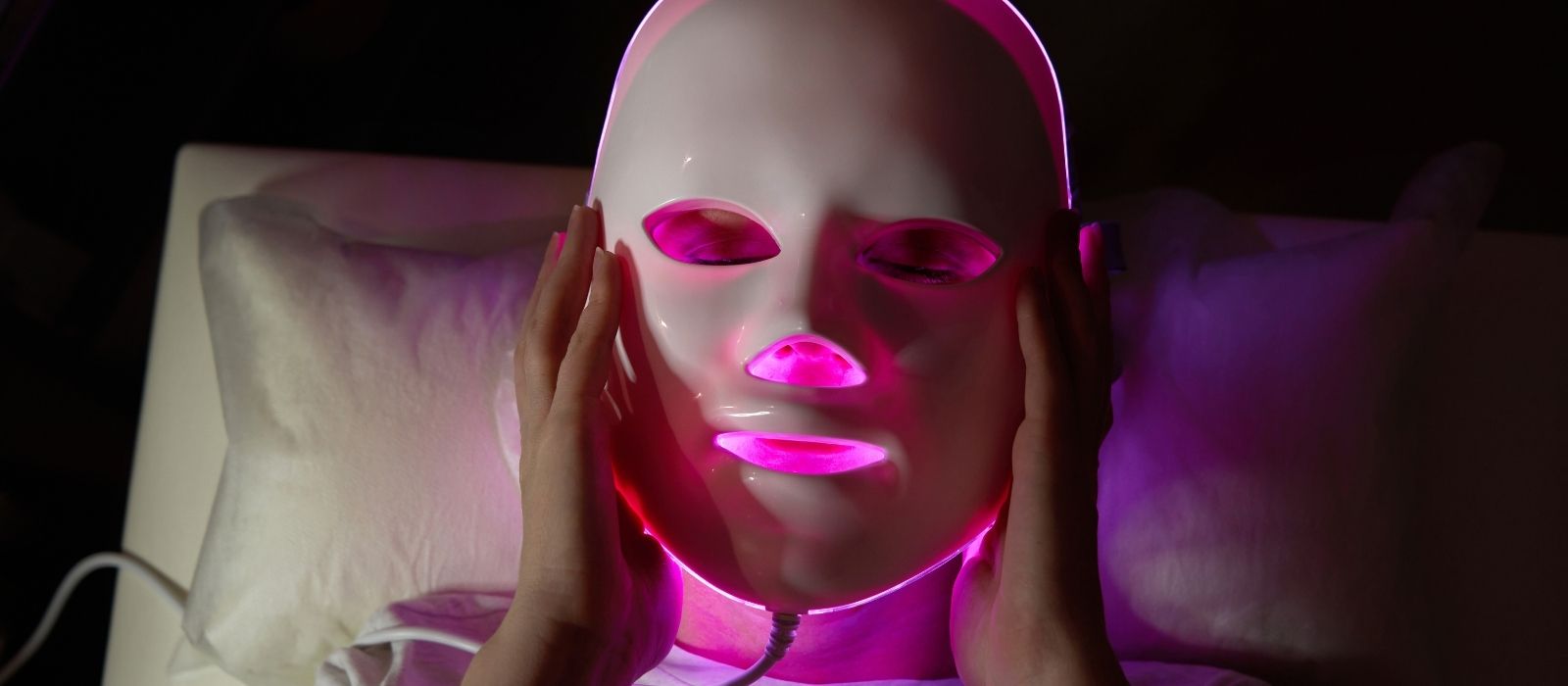
Learn how often to use red light therapy safely. From daily sessions to weekly treatments, discover optimal frequency for skin, recovery, and hormonal health.
You bought the red light panel. Maybe you've used it twice this week, or you've been going daily for a month. Now you're wondering if you're doing it right — or if you can actually overdo it.
The short answer: daily sessions of 10-20 minutes are safe for most people, but more isn't necessarily better. Red light therapy works through cumulative exposure, but your cells can only absorb so much energy at once. Cross that threshold and you're wasting time without extra benefits.
Most research shows optimal results happen with consistent, moderate exposure rather than marathon sessions. Think of it like watering a plant — steady amounts work better than flooding it once a week. Your mitochondria (the cellular powerhouses that red light targets) need time to process the energy between sessions.
What Actually Happens During Red Light Therapy
Red light therapy uses wavelengths between 660-850 nanometers to penetrate skin and stimulate cellular activity. These specific wavelengths get absorbed by cytochrome c oxidase, an enzyme in your mitochondria that helps produce ATP — your cells' energy currency.
When your mitochondria produce more ATP, several cascading effects happen: increased collagen production, reduced inflammation, improved circulation, and faster tissue repair. This is why red light therapy shows up in research for everything from wound healing to hormonal balance support.
The process isn't instant. Your cells need 4-6 hours to fully metabolize the photons they've absorbed. That's why spacing out sessions matters more than total exposure time.
Daily vs. Every Other Day: What the Research Shows
A study from the University of São Paulo found that daily 15-minute sessions produced better skin improvements than the same total weekly exposure concentrated into fewer, longer sessions. Participants using daily protocols saw 31% more collagen production compared to those doing 45-minute sessions three times per week.
For muscle recovery, research from the Journal of Athletic Training shows that athletes using red light therapy daily recovered 23% faster from intense training compared to those using it every other day. The daily group also reported less muscle soreness.
However, some conditions respond better to different frequencies. Post-surgical healing often benefits from twice-daily sessions for the first week, then daily maintenance. Postpartum recovery typically responds well to daily sessions focused on areas of concern.
How Often to Use Red Light Therapy Based on Your Goals
For general skin health and anti-aging: 10-15 minutes daily works best. This gives your skin consistent stimulation without overwhelming your cellular repair processes. You can do this indefinitely — there's no need for breaks.
For acne or inflammatory skin conditions: Start with 10 minutes every other day for two weeks, then increase to daily if your skin tolerates it well. Some people with very sensitive skin do better with 3-4 times per week long-term.
For muscle recovery or joint pain: 15-20 minutes daily on affected areas. Athletes often benefit from sessions both before and after training, but keep each session under 20 minutes.
For circulation and lymphatic support: 10-15 minutes daily, focusing on areas where you want improved circulation. Many people see reduced puffiness and better skin tone within 2-3 weeks.
Can You Actually Overdo Red Light Therapy
Yes, but it's harder than you think. Overdoing red light therapy doesn't cause burns like UV light, but it can trigger a stress response in your cells called hormesis. Small amounts of stress help cells grow stronger, but too much overwhelms their repair mechanisms.
Signs you might be overdoing it include increased fatigue after sessions, skin that looks more inflamed rather than better, or headaches following treatment. If you experience any of these, scale back to every other day or reduce session length.
The upper safe limit appears to be around 40-60 minutes daily based on current research, but most people see plateau effects well before that point. More than 20 minutes daily rarely produces additional benefits for most goals.
Start with 8-10 minutes every other day for the first week. This lets you gauge how your skin responds without overwhelming it. If you feel good and see positive changes, increase to daily sessions in week two.
Most people settle into a routine of 10-15 minutes daily, either first thing in the morning or before bed. Morning sessions can boost energy, while evening sessions often promote better sleep quality.
Track your results for at least 4 weeks before adjusting frequency. Hormonal changes and sleep improvements often show up before visible skin changes, so pay attention to how you feel overall, not just how you look.
Frequently Asked Questions
How long does it take to see results from red light therapy?
Most people notice subtle improvements in skin tone and energy within 2-3 weeks of daily use. Significant changes in skin texture, fine lines, or muscle recovery typically appear after 4-6 weeks of consistent daily sessions.
Can I use red light therapy twice a day?
Yes, but keep each session under 15 minutes and space them at least 6 hours apart. Twice daily works well for acute issues like post-surgical healing or intense training recovery, but isn't necessary for general wellness goals.
Should I take breaks from red light therapy?
No breaks are needed for safety, but some people take 1-2 days off per week to avoid routine fatigue. Your cells don't build tolerance to red light like they do to some medications, so daily long-term use is safe and often more effective than sporadic sessions.
This article is for informational purposes only. It is not a substitute for professional medical advice, diagnosis, or treatment. Always consult a qualified healthcare provider before making changes to your health routine.