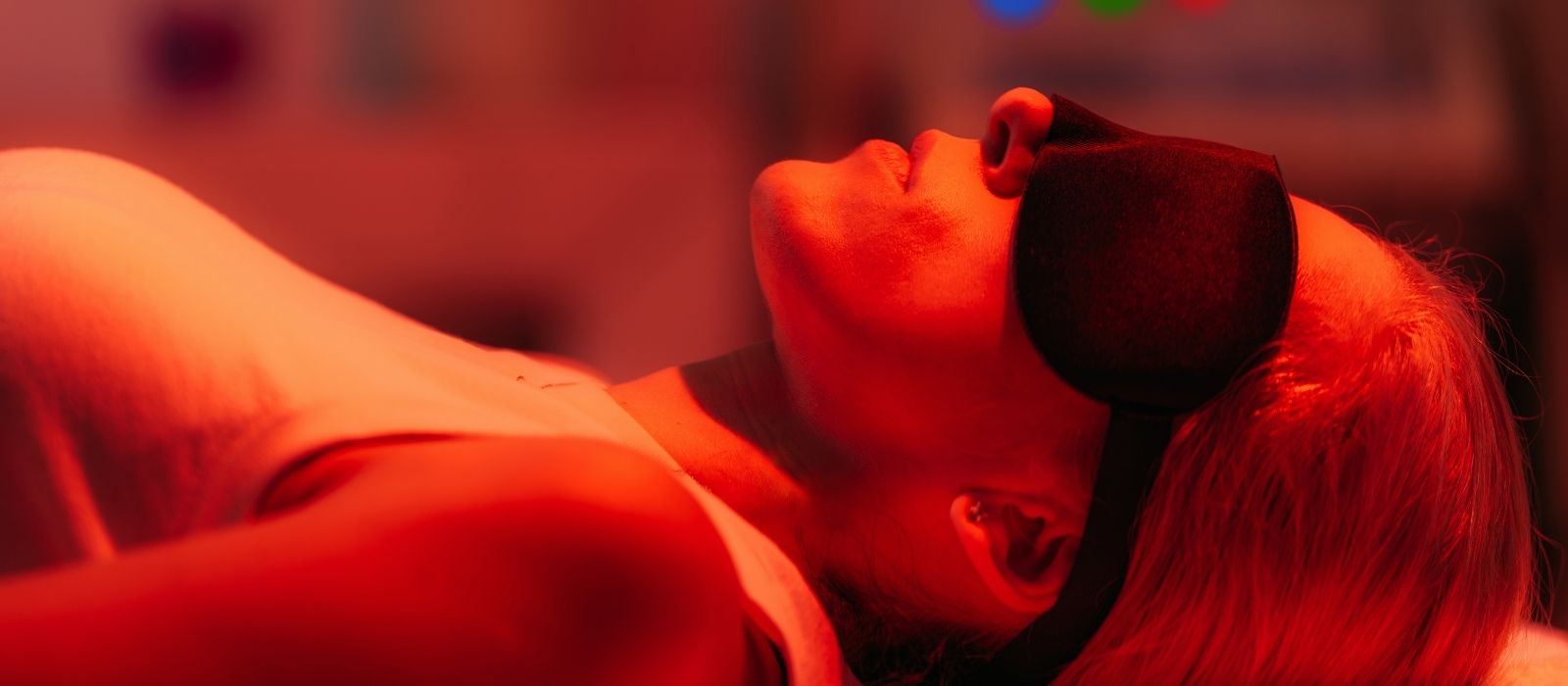
Red light therapy for hyperpigmentation promises to fade dark spots without irritation. Here's what actually works and what doesn't based on the research.
You've seen the Instagram videos — people holding red light panels to their faces, claiming it's fading their acne scars and melasma. The promise is tempting: gentle treatment that melts away dark spots without the peeling and irritation that comes with chemical peels or retinoids.
Red light therapy for hyperpigmentation sits in that tricky middle ground where the science is promising but not definitive. Unlike treatments that directly target melanin production, red light works through cellular repair mechanisms that might indirectly improve pigmentation over time.
Here's what the research actually shows: red light therapy can reduce certain types of hyperpigmentation, but it's not a universal dark spot eraser. The wavelengths that work best, the treatment frequency that matters, and which types of pigmentation respond all depend on factors most people don't consider before buying a device.
How Red Light Therapy Actually Works on Dark Spots
Red light therapy uses specific wavelengths — typically 660-850 nanometers — that penetrate skin tissue and get absorbed by mitochondria in your cells. This absorption triggers increased ATP production, which gives cells more energy for repair processes.
For hyperpigmentation, this cellular energy boost affects melanin production in two ways. First, it can help normalize overactive melanocytes — the cells that produce pigment. Second, it speeds up skin cell turnover, which helps existing pigmented cells shed faster and get replaced by newer, less pigmented ones.
Unlike hydroquinone or kojic acid that directly inhibit tyrosinase (the enzyme that makes melanin), red light therapy works by supporting your skin's natural repair mechanisms. This makes it gentler but also slower and less predictable.
A 2020 study in the Journal of Clinical Medicine found that 830-nanometer red light therapy reduced melasma severity by about 25% after 8 weeks of treatment. That's meaningful improvement, but it took consistent daily sessions to see results.
Which Types of Hyperpigmentation Respond Best
Not all dark spots are created equal, and red light therapy doesn't work the same way on different types of pigmentation.
Post-inflammatory hyperpigmentation from acne responds better than melasma or age spots. PIH sits closer to the skin surface and involves inflammation, which red light can help calm. Acne scars and dark marks from recent breakouts show the most consistent improvement.
Age spots and sun damage are trickier because they involve deeper, more established pigment deposits. The melanin sits in lower skin layers that red light doesn't penetrate as effectively. You might see some lightening, but it takes months of consistent treatment.
Melasma falls somewhere in between. Some people see significant improvement, others see none. The hormonal component of melasma makes it particularly unpredictable — melasma treatment often requires addressing the underlying hormonal triggers alongside any topical therapy.
What Wavelengths and Devices Actually Work
The wavelength matters more than most manufacturers want you to know. Studies showing pigmentation improvement typically use 830-850 nanometer light, which penetrates deeper than the 660-nanometer red light found in cheaper devices.
Near-infrared light at 850 nanometers reaches the dermal-epidermal junction where melanocytes live. The 660-nanometer red light that dominates consumer devices mostly affects surface-level cellular activity.
LED panels work better than single-point devices for hyperpigmentation because they deliver more consistent coverage. You need at least 30-50 milliwatts per square centimeter of power density to trigger cellular responses, and most handheld devices don't deliver enough power across a wide enough area.
Professional devices used in dermatology offices typically deliver 100-200 milliwatts per square centimeter. Home devices range from 10-60 milliwatts per square centimeter, which explains why at-home results take longer and vary more.
Treatment Frequency and Timeline Expectations
Consistency beats intensity with red light therapy. Daily 10-15 minute sessions work better than longer sessions done a few times per week. Your cells need regular energy input to maintain increased repair activity.
Most studies showing pigmentation improvement used daily treatments for 8-12 weeks minimum. You might see subtle changes around week 4-6, but significant improvement takes 3-4 months of consistent use.
The treatment needs to continue indefinitely for maintained results. Unlike chemical peels that create permanent changes to pigmented cells, red light therapy's benefits depend on ongoing cellular energy support. Stop the treatments, and pigmentation gradually returns to baseline over 2-3 months.
Combining Red Light Therapy with Other Treatments
Red light therapy works best as part of a comprehensive approach rather than a standalone treatment. It pairs particularly well with gentle chemical exfoliation and antioxidants.
Vitamin C serums applied before red light sessions can enhance results because the light helps vitamin C penetrate deeper. Retinol used safely 2-3 times per week alongside daily red light therapy often produces better results than either treatment alone.
You can also combine red light with professional treatments. Many dermatologists now recommend red light therapy as post-procedure care after chemical peels or microneedling to speed healing and reduce the risk of post-inflammatory hyperpigmentation.
Red light therapy benefits extend beyond pigmentation to include improved skin texture and reduced inflammation, making it a useful addition to most skincare routines.
Frequently Asked Questions
How long does red light therapy take to work on dark spots
Most people see initial improvements around 6-8 weeks of daily use, but significant dark spot reduction typically takes 3-4 months. Post-inflammatory hyperpigmentation from recent acne responds faster than deeper age spots or melasma.
Can red light therapy make hyperpigmentation worse
Red light therapy doesn't typically worsen hyperpigmentation, but it can if you're also using photosensitizing ingredients like certain acids or essential oils. Always patch test and avoid combining with treatments that increase light sensitivity.
What's the difference between red light therapy for acne vs hyperpigmentation
Red light therapy for acne uses blue light (415nm) to kill bacteria plus red light for inflammation, while hyperpigmentation treatment focuses solely on red and near-infrared wavelengths (660-850nm) to support cellular repair and normalize pigment production.