Discover the 8 main causes of hair loss in women, from hormones to stress. Learn why your hair is falling out and what you can actually do about it.
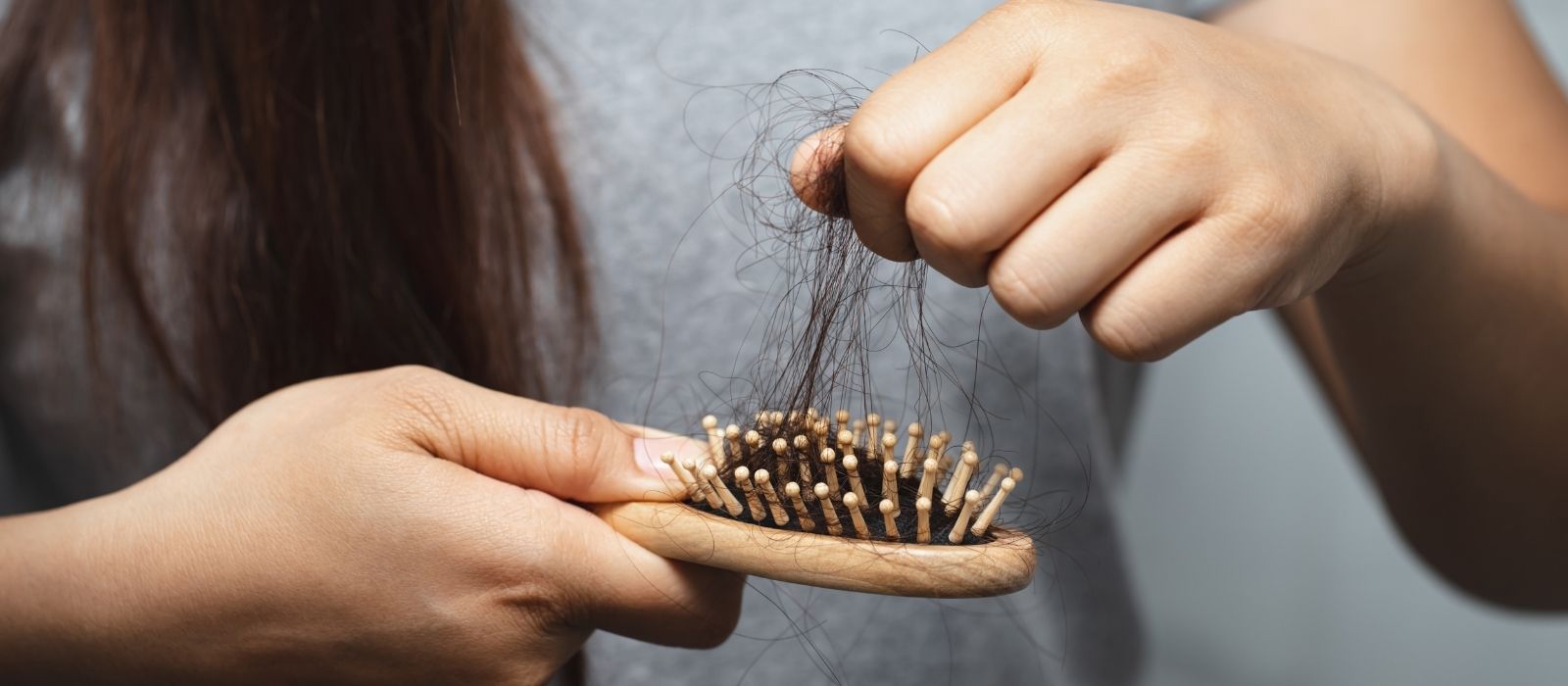
You find clumps in the shower drain. Your ponytail feels thinner. Your part looks wider than it did six months ago.
Hair loss hits differently when you're a woman. Society tells us our hair defines our femininity, so when it starts disappearing, the panic feels justified. But here's what most people don't know: losing 50-100 strands daily is completely normal. The problem starts when you're losing significantly more than that, or when new growth can't keep pace with what's falling out.
Female hair loss isn't just genetics. Eight main factors drive hair loss in women, and most of them are fixable once you identify the real cause behind your thinning strands.
Hormonal Changes
Hormones control your hair growth cycle more than any other factor. Estrogen keeps hair in the growth phase longer, which is why pregnant women often have their thickest, fullest hair. But when estrogen drops — during menopause, after childbirth, or when you stop birth control — your hair follicles shrink and produce thinner, weaker strands.
Androgens like DHT (dihydrotestosterone) are the real villains here. Even small amounts can bind to hair follicles and gradually miniaturize them until they stop producing visible hair entirely. This process creates female pattern hair loss, which affects 40% of women by age 50 according to the American Academy of Dermatology.
PCOS amplifies this problem. Women with PCOS produce excess androgens, which is why they often deal with both hair loss on their scalp and unwanted facial hair growth simultaneously.
Nutritional Deficiencies
Your hair follicles are some of the most metabolically active cells in your body. They need constant fuel to produce new strands, and when key nutrients are missing, hair production shuts down first.
Iron deficiency tops the list. Low iron levels affect up to 30% of women globally, and hair loss is often the first visible symptom. Even if your hemoglobin levels test normal, your ferritin (stored iron) might be too low to support healthy hair growth.
Protein deficiency comes second. Your hair is 80% protein, so restrictive diets or inadequate protein intake forces your body to redirect amino acids to essential functions, leaving hair follicles starved.
Chronic Stress and Cortisol
Stress doesn't just make you feel overwhelmed — it literally pushes hair follicles into early retirement. When cortisol levels stay elevated for weeks or months, it disrupts your hair growth cycle and forces follicles into the shedding phase prematurely.
This creates telogen effluvium, a condition where you lose hair about 3 months after a stressful period. The delay confuses people because the stress and hair loss don't happen simultaneously. You might blame new products or recent changes when the real culprit was that work crisis or family emergency from months earlier.
High cortisol levels also interfere with nutrient absorption and hormone production, creating a cascade of problems that compound hair loss.
Thyroid Disorders
Your thyroid controls your metabolic rate, including how fast your hair grows and sheds. Both hyperthyroidism and hypothyroidism can trigger hair loss, but they do it differently.
Hypothyroidism slows everything down. Hair becomes brittle, grows slowly, and falls out more easily. Hyperthyroidism speeds up the hair cycle, pushing follicles through growth phases too quickly and causing diffuse thinning all over your scalp.
The Cleveland Clinic reports that thyroid disorders affect 1 in 8 women, and hair changes are often the first noticeable symptom — appearing months before fatigue or weight changes.
Scalp Health Issues
Inflammation on your scalp creates an environment where hair follicles can't function properly. Conditions like seborrheic dermatitis, scalp psoriasis, or even chronic product buildup can damage follicles and interrupt normal hair growth.
Poor scalp health also affects circulation, which means fewer nutrients reach your hair roots. If you're dealing with persistent itching, flaking, or bumps, addressing scalp issues should be your first priority before trying hair growth treatments.
Medication Side Effects
More than 100 medications list hair loss as a potential side effect. Blood thinners, beta-blockers, antidepressants, and anti-seizure medications commonly cause hair thinning. Even supplements can trigger problems — too much vitamin A or selenium can cause hair loss.
Birth control is particularly tricky because switching formulations can trigger temporary hair loss as your hormone levels adjust. The hair usually returns within 6 months, but the waiting period feels endless.
Physical Trauma and Styling
Tight hairstyles, excessive heat styling, and chemical treatments damage hair shafts and can permanently scar follicles. This creates traction alopecia, which is why edges often thin first — they bear the most tension from ponytails, braids, and headbands.
The damage accumulates gradually. Your hair might look fine for years before you notice significant thinning around your hairline or crown.
Autoimmune Conditions
Alopecia areata occurs when your immune system attacks hair follicles, creating round patches of complete hair loss. It affects 2% of the population and can progress to total scalp hair loss or even full body hair loss in severe cases.
Other autoimmune conditions like lupus can also cause scarring hair loss, where follicles are permanently damaged and won't regrow hair even after treatment.
FAQ
how much hair loss is normal per day
Losing 50-100 hairs daily is normal. You'll notice more in the shower because wet hair releases strands that were already loose. If you're seeing 150+ strands daily or noticing your hair density decreasing, that's when to investigate further.
will my hair grow back after hair loss
It depends on the cause. Stress-related hair loss, nutritional deficiencies, and hormonal changes often reverse once the underlying issue is addressed. Genetic hair loss and scarring conditions typically require ongoing treatment to maintain what you have.
when should I see a doctor for hair loss
See a dermatologist if you're losing more than 100 strands daily for over 3 months, notice sudden patches of hair loss, or if thinning affects your confidence. Early intervention gives you better treatment outcomes than waiting until the loss becomes severe.
This article is for informational purposes only. It is not a substitute for professional medical advice, diagnosis, or treatment. Always consult a qualified healthcare provider before making changes to your health routine.