Discover exactly how sleep affects your skin, hair and beauty overnight. Learn what happens during each sleep stage and how to optimize your rest for better results.
Some mornings your skin looks worse than when you went to bed. Your hair's flat, your eyes are puffy, and the night cream didn't seem to do a thing.
Sleep really does show on your face, and there's research behind that, though less of it than the beauty industry implies. Here's what studies have found about how sleep affects your skin, hair and beauty overnight, and what's worth changing.
What Actually Happens to Your Skin While You Sleep
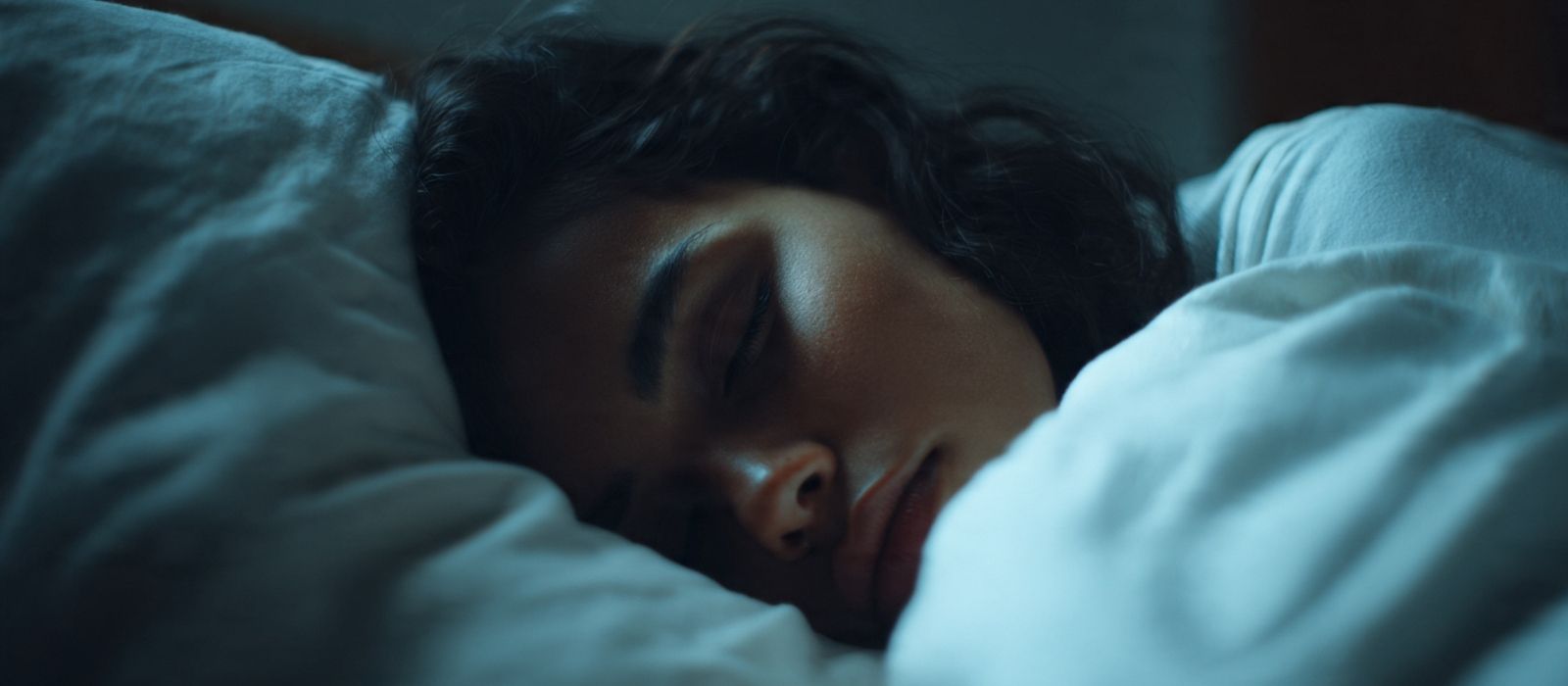
The clearest evidence comes from people who sleep badly for months. In a 2015 study of 60 women, those who regularly slept 5 hours or less, and slept poorly, had more signs of intrinsic skin ageing, the kind that comes with time rather than sun, than women who slept 7 to 9 hours. Their skin also lost more water, and after the researchers stripped the outer layer with tape, the good sleepers' skin barrier had recovered 30% more three days later. Good sleepers also recovered faster from redness after a dose of simulated sunlight.
That study was small, all the women were white, and two of the authors worked for Estée Lauder, so treat it as a strong hint rather than the last word. It does match what you see in the mirror: a barrier that recovers slowly means drier, tighter skin and lines that look deeper.
Even one bad night shows. In a 2013 Swedish study, 40 people rated photos of 10 volunteers taken after normal sleep and again after 31 hours awake. The sleep-deprived faces were rated as having more swollen eyes, darker circles, paler skin, more wrinkles and fine lines, and droopier corners of the mouth.
How Sleep Affects Your Hair
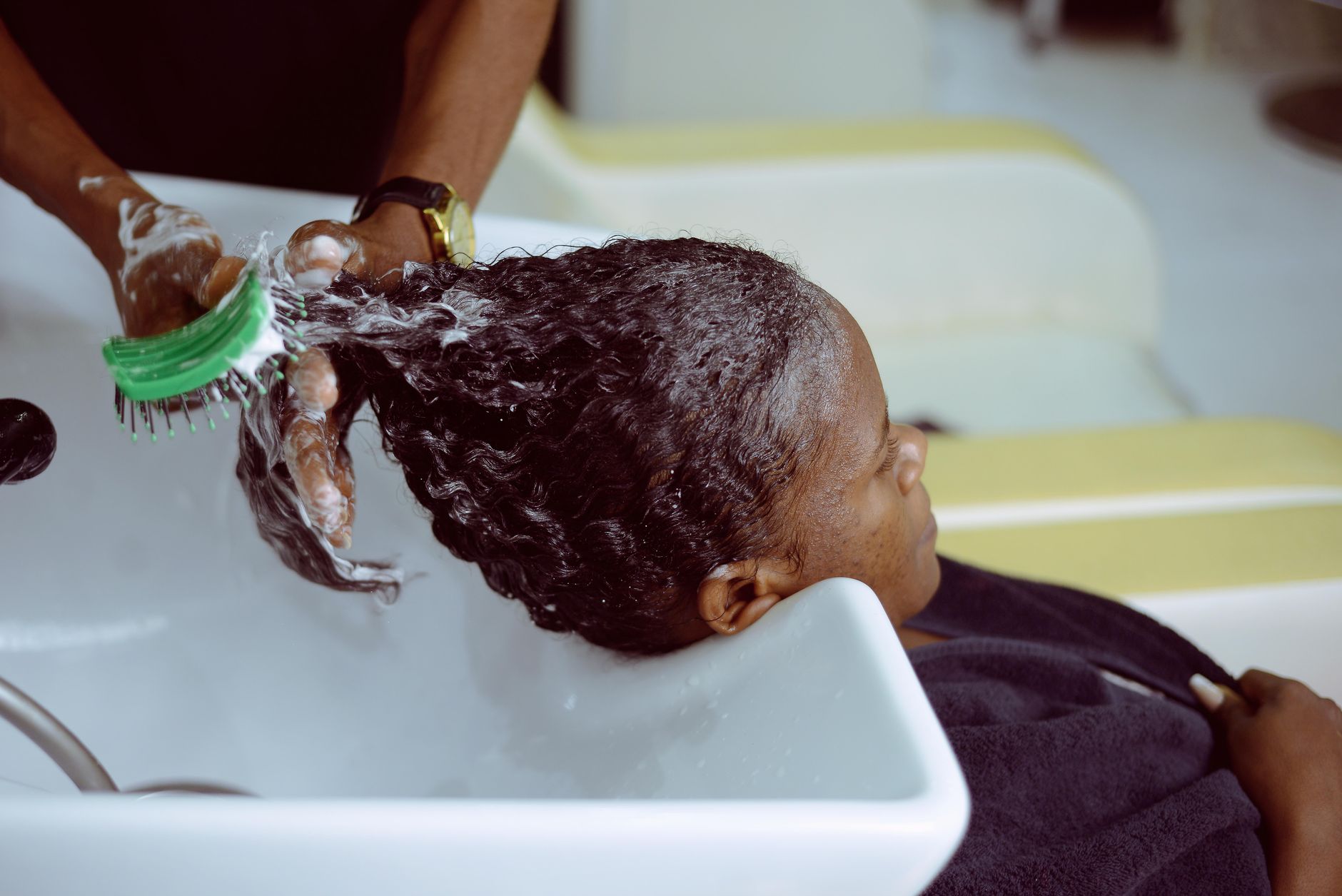
The evidence here is much thinner. Hair grows around the clock, and no study has shown that a run of late nights thins it. What is well established is that a big stress or illness can push many hairs into the shedding phase at once, and poor sleep often travels with both.
If you're shedding more than usual, look at stress and cortisol alongside your sleep.
The more direct overnight risk to your hair is mechanical: friction against the pillow and tension from how you tie it up.
The Sleep Position Factor
Sleeping on your side or stomach presses your face into the pillow and rubs your hair against it all night. Cotton pillowcases also soak up some of the moisture and product you put on before bed.
Silk or satin pillowcases cut down that friction, which is why people with curly, coily or fragile hair often swear by them. There aren't good studies on what they do for skin, but a smoother pillowcase is a cheap change if your hair breaks easily.
Tight styles and elastic bands pull on your hairline for hours overnight. Loose protective styles are kinder for sleeping in.
What Ruins Your Overnight Beauty Recovery
Alcohol can help you drop off, but it breaks up your sleep later in the night, so you wake less rested.
Scrolling in bed tends to push your bedtime later and cut your total sleep, and short sleep is the thing the skin studies above link to how you look.
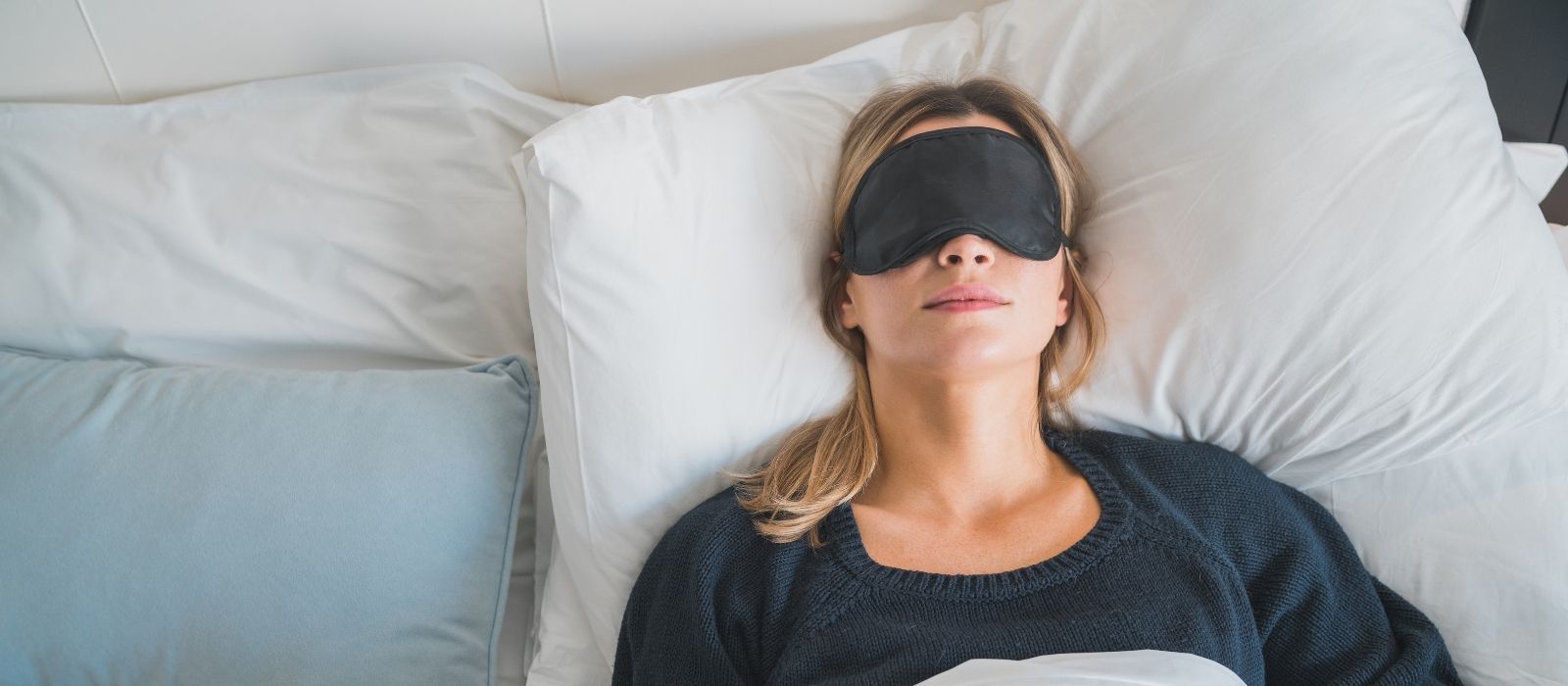
A hot bedroom makes it harder to stay asleep. A cool, dark room is the usual advice. There's no proven ideal temperature for your skin, so go by whatever lets you sleep through.
Simple Changes That Actually Work
Sleep with your head slightly raised on an extra pillow if you wake up puffy around the eyes.
Night is a practical time for actives like retinol or peptides, simply because you're not layering sunscreen and makeup over them.
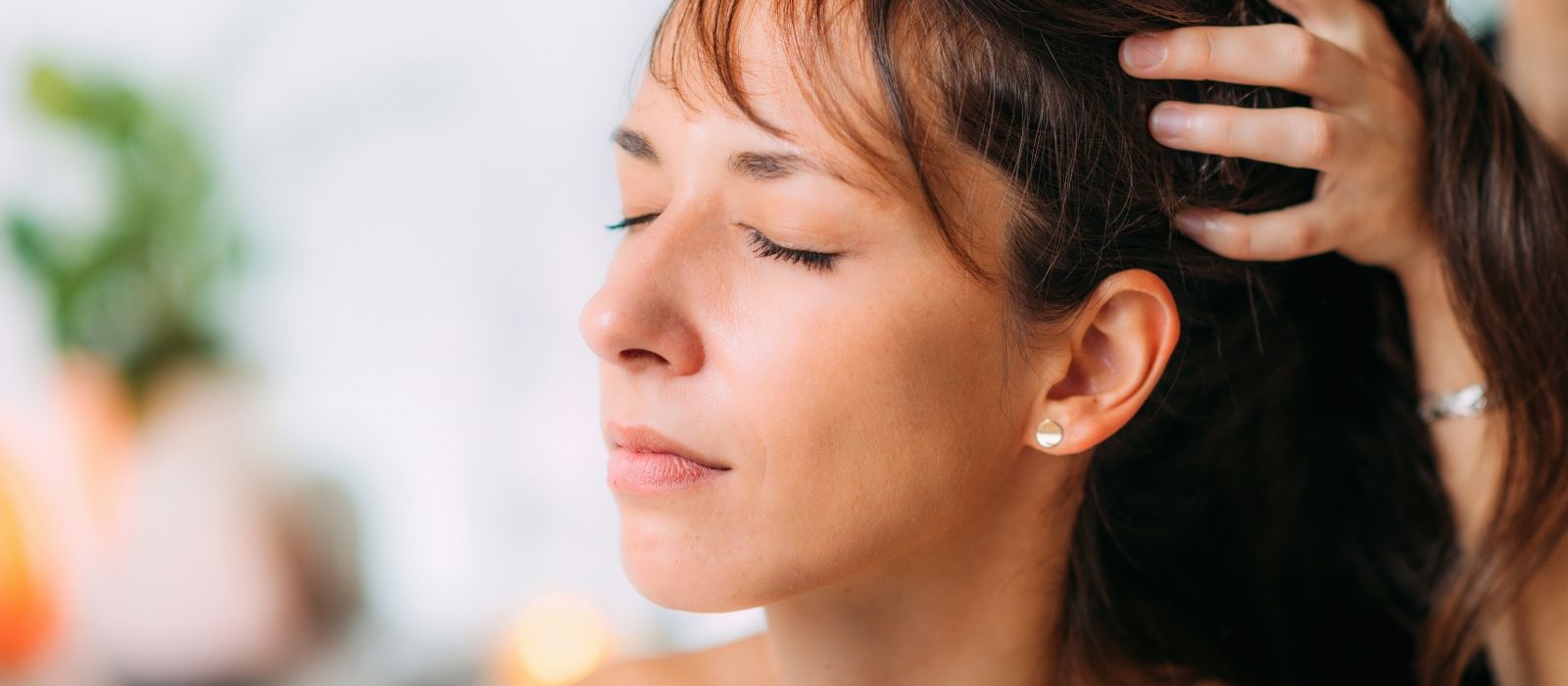
A few minutes of scalp massage before bed is a pleasant way to wind down, which is reason enough to do it.
Keep your sleep times steady, going to bed and getting up at roughly the same time every day. A regular schedule makes it far easier to get enough sleep, and enough sleep is what the evidence supports.
FAQ
How many hours of sleep do I need for healthy skin and hair?
The CDC recommends at least 7 hours a night for adults aged 18 to 60. In the skin study above, the good sleepers got 7 to 9 hours and the poor sleepers 5 or fewer, so aim for that 7 to 9 range and keep your bedtime regular.
Why does my hair look flat after sleeping even with good pillowcases?
Usually it's been pressed flat or dried out overnight. Try sleeping with your hair in a loose braid or under a silk scarf, and use a leave-in treatment before bed. Pre-sleep hair oiling can also protect your strands.
Can naps replace lost nighttime sleep for skin and hair health?
Naps can help with tiredness, but they don't make up for regularly short nights, and short nights are what the skin studies looked at. Keep naps short and early in the day so they don't stop you sleeping that night.
This article is for informational purposes only. It is not a substitute for professional medical advice, diagnosis, or treatment. Always consult a qualified healthcare provider before making changes to your health routine.