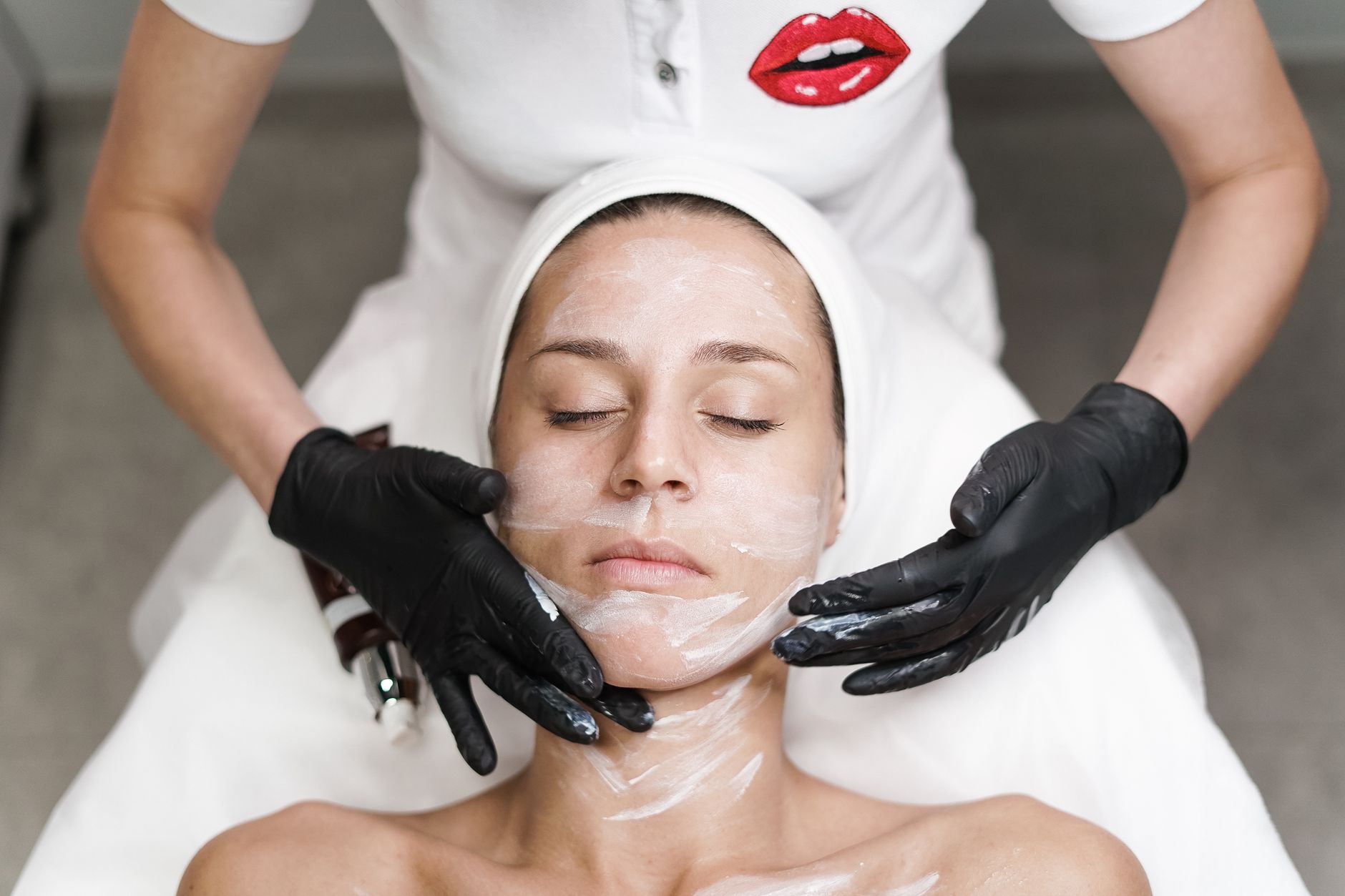
Spicule facials hurt more than most treatments. Here's what's actually happening to your skin and whether the results are worth it.
Someone described a spicule facial as feeling like someone had pressed fine fiberglass into her skin and then left the room. She wasn't wrong, exactly. But she also came back three weeks later asking about the next session. That gap between the experience and the result is the thing nobody explains well before you book.
A spicule facial uses microscopic crystalline needles derived from freshwater sponges, most commonly the species Spongilla lacustris. These spicules are measured in microns, thin enough to penetrate the outer layers of skin without a device or a dermaroller. They're applied as a powder or suspended in a serum, worked into skin manually, and what happens next is the part that catches most people off guard.
The burn isn't a reaction to an allergen. It's not irritation from a fragrance or pH mismatch. It's the spicules doing exactly what they're designed to do, which is create thousands of micro-channels in the epidermis, the outermost skin layer, simultaneously triggering an inflammatory response that your skin reads as damage and responds to accordingly.
What the burning actually is, biologically
When spicules penetrate the skin, they create mechanical micro-injuries at a density that would be impossible to replicate with a standard needle device. A 2018 review published in the Journal of Cosmetic Dermatology noted that Spongilla-based treatments trigger a controlled inflammatory cascade, prompting keratinocyte turnover and fibroblast activity. Fibroblasts are the cells that produce collagen and elastin, so the goal is to provoke them into upregulating production.
The heat sensation, which can range from mild warmth to a genuine stinging burn depending on concentration and how the product is applied, comes from histamine release and increased blood flow to the treated area. Your skin is essentially staging a repair response in real time. That's not a side effect to manage around. That's the mechanism.
Most people experience redness and some degree of visible irritation for 24 to 72 hours post-treatment. In higher-concentration professional applications, small raised bumps or a rough texture can appear in the days following, as the spicules work deeper and the skin continues to respond. This is sometimes confused with skin purging, but it's a different process.
Purging is accelerated cell turnover exposing what was already forming. This is an acute inflammatory response settling out.
Where things get genuinely uncomfortable is when practitioners push concentration too high or apply for too long. There's a threshold past which more isn't more productive. Over-exfoliation damages the skin barrier in ways that set recovery back by weeks, and spicule treatments applied incorrectly can do the same, but faster and more acutely.
What the spicule channels actually deliver
The micro-channels created by spicule penetration do something beyond triggering collagen response. They temporarily increase the skin's permeability, meaning anything applied during or immediately after the treatment absorbs at a rate normal application can't match. Hyaluronic acid, niacinamide, peptides, vitamin C derivatives, all of them reach deeper layers than they would on intact skin. This is why reputable practitioners pair spicule treatments with a targeted serum rather than using spicules alone.
It's also why ingredient selection matters more here than in almost any other facial. Ingredients that interact poorly at surface level can interact far more aggressively when they're being driven into compromised skin. Anything with a very low pH or strong exfoliating actives applied immediately after spicules is a genuine problem, not a theoretical one.
The collagen stimulation from a single session is real but modest. Where practitioners and researchers see more consistent results is with a course of treatments, typically four to six sessions spaced two to four weeks apart. Treatments that stimulate the dermis generally require cumulative sessions for visible structural change, and spicule facials follow the same pattern.
One session will improve texture and give a brightness boost as dead cells shed and new surface skin emerges. It won't meaningfully change collagen density on its own.
The skin types where this goes wrong
Spicule treatments are not appropriate for active acne, rosacea, or skin with a compromised barrier. This isn't a precaution added for legal coverage. Introducing mechanical injury into already-inflamed skin accelerates inflammation in ways that are genuinely difficult to calm back down. Redness and reactive skin already have a compromised ability to regulate inflammatory signaling, and spicules don't know to stop at a comfortable level.
For darker skin tones, the post-inflammatory hyperpigmentation risk is real and should be part of the conversation before booking. Darker skin responds to inflammatory triggers differently than lighter skin, with melanocytes more readily activated by the same stimulus. The micro-injury that fades in five days on one person can leave lasting discoloration on another. A practitioner who doesn't bring this up before the treatment is a practitioner who hasn't done this on enough clients to know.
There's also a question nobody asks until they've had a bad session: where did the spicule product come from, and at what concentration. Spongilla-based products are largely unregulated in the cosmetic space, and the difference between a 10% spicule concentration and a 30% one changes more than intensity. It's a different risk profile for barrier disruption.
At-home spicule kits do exist. They're much lower concentration than professional formulations, which limits both the discomfort and, honestly, the result. If the burn stays mild throughout, the micro-channels aren't reaching deep enough for the collagen response that makes the treatment worth doing.
That's the honest part: the efficacy is tied to the discomfort to a degree that most treatment marketing glosses over. A truly comfortable spicule facial probably wasn't concentrating enough to matter.
Whether results justify doing it
The texture improvement after a spicule course is probably the most consistent reported outcome, and the mechanism supports it. Accelerated keratinocyte turnover, essentially forced, means dead cells shed faster and new surface skin arrives sooner. For congested, dull, or rough skin, this is visible and relatively quick.
Collagen density improvement is harder to measure at home and slower to appear. Clinical imaging studies, including one published in Dermatologic Surgery in 2012 looking at mechanical micro-needling more broadly, show dermal collagen changes appearing at four to six weeks post-treatment. Spicule facials work on a similar timeline. Expecting visible skin plumping or line reduction from a single session sets up disappointment.
The cost for a professional spicule treatment in North America typically runs between $150 and $350 per session, depending on add-ons and where you are. A full course of six treatments lands between $900 and $2,100 before any follow-up maintenance. That's not a casual skincare spend, and the results, while real, are in the same territory as lower-concentration microneedling or a well-run chemical peel series.
Not superior to those options across the board. Different mechanism, similar category of result.
The spicule facial is genuinely effective for what it claims to do. But the gap between 'this treatment works' and 'this treatment is right for you specifically' is wider than most treatment menus suggest, and the discomfort is not something you can mentally prepare for without being told clearly what causes it.
Frequently Asked Questions
how long does the burning last after a spicule facial
The acute burning sensation during and immediately after the treatment usually subsides within a few hours. Redness, warmth, and some roughness can persist for 24 to 72 hours depending on concentration and your skin's baseline reactivity. A trained practitioner should give you a clear post-care protocol before you leave the clinic.
can you do a spicule facial at home
At-home kits exist at much lower concentrations than professional versions, which makes them safer but noticeably less effective. The micro-channels they create are shallower, so the collagen-stimulating response is mild at best. For brightening and gentle exfoliation, at-home formulations can be reasonable. For the structural skin changes spicule treatments are known for, the concentration required generally needs a professional setting.
is a spicule facial the same as microneedling
They share a mechanism, controlled micro-injury to stimulate repair, but they work differently. Microneedling uses a device with fixed needle depths and creates precise channels. A spicule facial uses microscopic crystalline particles applied manually, creating a higher density of shallower channels across a broader area.
Microneedling allows more control over depth. Spicule treatments tend to work more on surface texture and permeability, making them better suited for pairing with active ingredients that need deeper penetration.
This article is for informational purposes only. It is not a substitute for professional medical advice, diagnosis, or treatment. Always consult a qualified healthcare provider before making changes to your health routine.