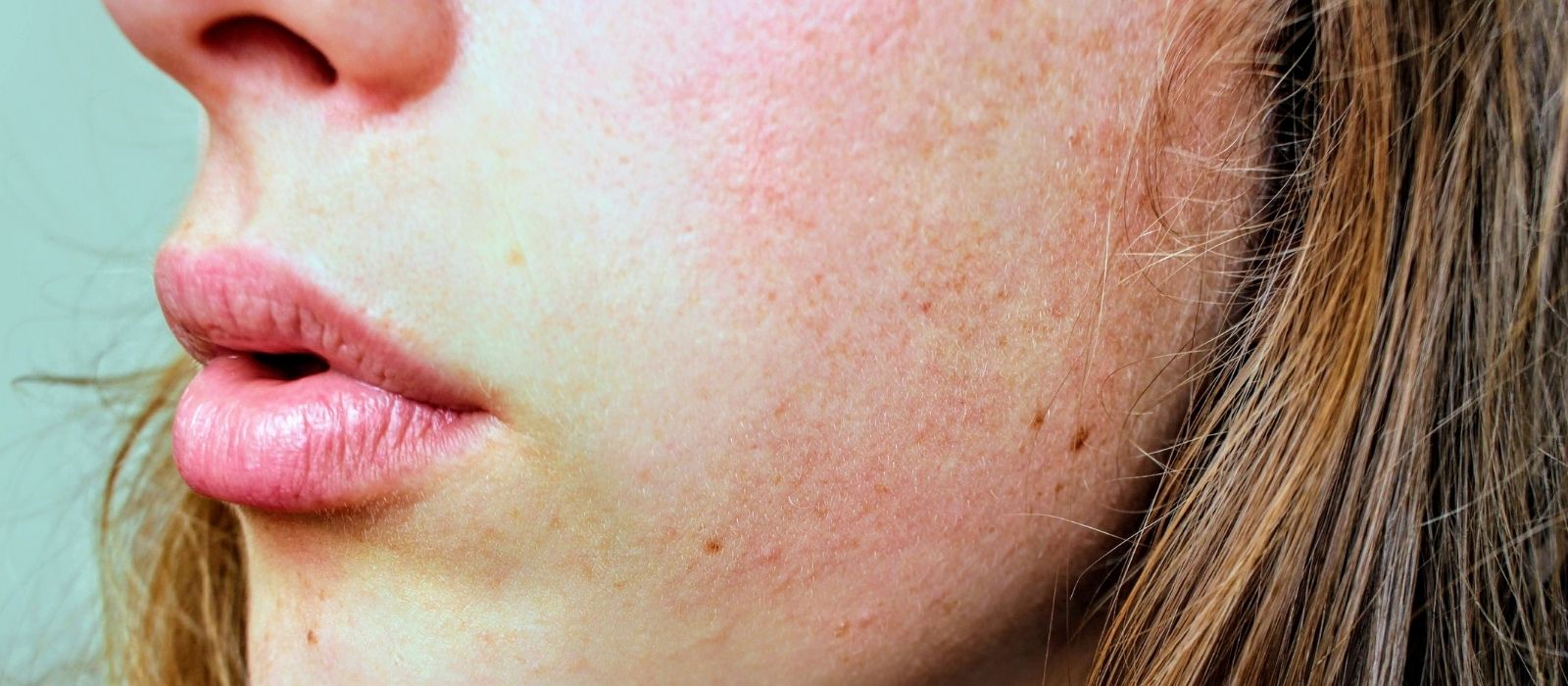
Facial redness has several causes and most treatments only work for one of them. Here's how to figure out which one you're dealing with.
Your face turns red when you're embarrassed, but it also turns red when you use that new vitamin C serum, step outside on a windy day, or drink your morning coffee. That's not normal flushing, that's your skin sending signals about three completely different problems that get lumped together as 'facial redness.'
Most people treat all redness the same way: gentle products, avoid triggers, hope it goes away. But rosacea, reactive skin, and temporary flushing need different approaches. Using rosacea treatments for sensitive skin won't work. Treating inflammation when you actually have broken capillaries makes things worse.
Here's what you're dealing with: facial redness causes and treatment depend entirely on whether your blood vessels are permanently dilated, your skin barrier is compromised, or your nervous system is overreacting to normal stimuli. The redness looks similar, but the mechanisms underneath are completely different.
The Three Types of Facial Redness
Rosacea shows up as persistent redness across your cheeks and nose that doesn't fade completely, even when you're calm and cool. You'll see visible blood vessels under the skin, and the area might feel warm or sting when you touch it. This happens because the capillaries in your face become permanently enlarged. They don't contract back to normal size after dilating.
Reactive skin flushes in response to products, weather, or physical contact, but returns to baseline color within hours. Your face might burn when you apply certain ingredients, turn red in air conditioning, or flush from gentle exfoliation that doesn't bother other people. This indicates a compromised skin barrier that's letting irritants penetrate deeper than they should.
Temporary flushing comes from internal triggers like alcohol, spicy food, stress, or heat. Your whole face turns red quickly, often extending to your neck and chest, then fades as the trigger passes. Your nervous system is dilating blood vessels throughout your face, not just in specific areas.
What Actually Works for Each Type
Rosacea responds to treatments that calm inflammation and protect existing blood vessels from further damage. Metronidazole gel, prescribed by dermatologists, reduces the inflammatory response that keeps capillaries dilated. Azelaic acid works similarly but you can get it over-the-counter. Niacinamide at 10% concentration strengthens capillary walls over time.
Skip anything that increases circulation to your face. No facial massage, no hot water, no steam treatments. These feel soothing but make dilated blood vessels worse. Your skin barrier needs protection, not stimulation.
Reactive skin needs barrier repair before anything else. Ceramides, cholesterol, and fatty acids rebuild the protective layer that's letting irritants through. The Ordinary's Natural Moisturizing Factors or CeraVe PM work well. Add one new product every two weeks, not multiple products at once.
Stop using active ingredients until your skin stops reacting to basic moisturizer. That means no retinoids, no AHA/BHA acids, no vitamin C for at least a month. You might think you're purging, but if your whole face is red and sensitive, your barrier is compromised.
Temporary flushing requires managing internal triggers, not topical treatments. Keep a diary of what makes you flush for two weeks. Common culprits include alcohol, caffeine, hot beverages, spicy food, sudden temperature changes, and emotional stress.
Beta-blockers, prescribed by doctors, can reduce flushing episodes by preventing rapid blood vessel dilation. Over-the-counter antihistamines like loratadine sometimes help if your flushing includes swelling or feels itchy.
When Redness Needs Medical Attention
See a dermatologist if your redness persists for more than six weeks despite gentle care, includes painful bumps or pustules, or affects your eyes with dryness and irritation. These symptoms indicate rosacea subtypes that won't respond to over-the-counter treatments.
Sudden onset of facial redness with difficulty breathing, swelling, or hives requires immediate medical care. This suggests an allergic reaction, not routine skin sensitivity.
FAQ
Why does my face get red when I use skincare products?
Your skin barrier is likely compromised, allowing products to penetrate deeper and trigger inflammation. Stop all active ingredients and focus on barrier repair with ceramide-based moisturizers until sensitivity resolves.
Can rosacea go away on its own?
No, rosacea is a chronic condition caused by permanently dilated blood vessels. Without treatment, it typically gets worse over time. Early intervention with prescription or over-the-counter anti-inflammatory treatments prevents progression.
How long does it take for facial redness to improve?
Barrier repair for reactive skin takes 4-6 weeks with consistent gentle care. Rosacea improvements show within 6-8 weeks of starting treatment. Temporary flushing improves immediately once you identify and avoid your specific triggers.
This article is for informational purposes only. It is not a substitute for professional medical advice, diagnosis, or treatment. Always consult a qualified healthcare provider before making changes to your health routine.