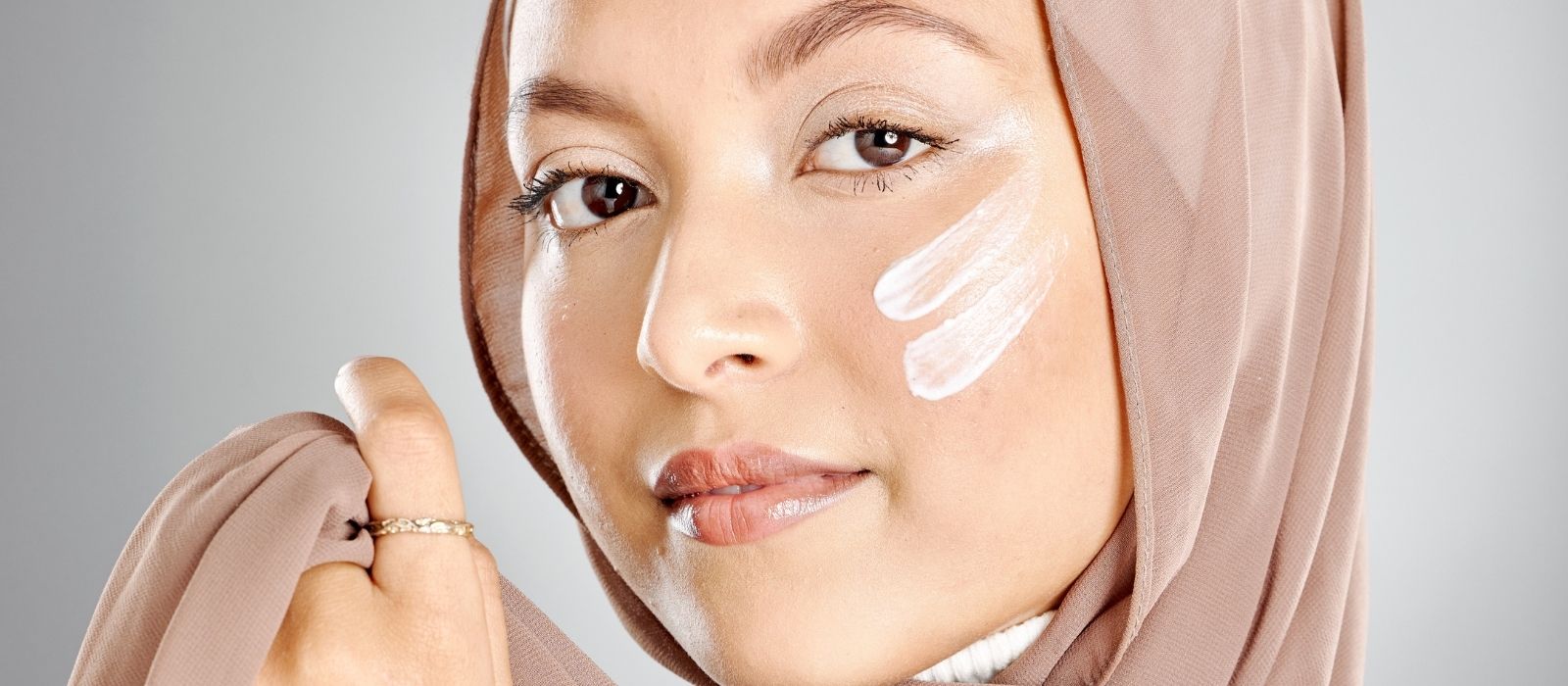
Learn how to choose and use sunscreen for dark skin. Get the complete guide covering SPF needs, white cast solutions, and protecting against hyperpigmentation.
You've been told dark skin doesn't need sunscreen. That melanin provides enough protection. That SPF products just leave an ashy white film anyway, so why bother?
All of that is wrong. Dark skin burns, ages, and develops hyperpigmentation from UV damage just like any other skin tone. The difference isn't whether you need protection — it's finding products that work with your skin instead of against it.
Here's what matters: dark skin contains more melanin, which provides some natural protection equivalent to SPF 4-13. But that's not enough to prevent sun damage, especially the kind that shows up as dark spots, melasma, and premature aging. You still need dedicated sun protection, but the products designed for lighter skin tones often fail spectacularly on darker complexions.
Why Dark Skin Still Needs Sunscreen
Melanin absorbs and scatters UV radiation, but it doesn't block it completely. Research from the Skin Cancer Foundation shows that while dark skin has lower rates of skin cancer, it's often diagnosed at later, more dangerous stages because people assume they're not at risk.
More importantly for daily concerns, UV exposure triggers post-inflammatory hyperpigmentation in dark skin. Every breakout, every nick from shaving, every minor irritation can turn into a dark spot that lingers for months if your skin isn't protected. Dark patches on knees and elbows often worsen with sun exposure too.
UV rays also break down collagen and elastin at the same rate regardless of skin tone. The signs might show up differently — more uneven tone and texture changes rather than visible wrinkles initially — but the underlying damage is identical.
The White Cast Problem and How to Avoid It
Most sunscreens contain zinc oxide or titanium dioxide — mineral filters that sit on top of skin and reflect UV rays. On dark skin, these create that chalky, ashy appearance that makes you look like you rubbed paste on your face.
Chemical sunscreens absorb UV radiation instead of reflecting it, so they blend in better. Look for avobenzone, octinoxate, octisalate, or octocrylene on the ingredient list. These formulas disappear into dark skin without leaving residue.
Tinted sunscreens bridge the gap between mineral and chemical protection. They contain iron oxides that match deeper skin tones while still providing physical sun protection. Brands like EltaMD, SkinCeuticals, and Colorescience make versions specifically formulated for medium to deep skin tones.
SPF Numbers That Actually Matter for Dark Skin
SPF 30 blocks 97% of UVB rays. SPF 50 blocks 98%. The difference between 30 and 50 is minimal, but the jump from 15 to 30 is significant. For daily wear, SPF 30 works fine. For extended outdoor time, water activities, or if you're treating hyperpigmentation, go with SPF 50.
Don't get caught up in SPF 70 or 100 products. They're marketing more than meaningful protection, and higher SPF often means thicker, more likely to cause white cast formulas.
Application Techniques for Even Coverage
Use a quarter teaspoon of sunscreen for your face and neck. Most people use half that amount, which cuts your protection in half too. On dark skin, uneven application shows up as patchy protection that can lead to uneven pigmentation over time.
Apply sunscreen to clean, dry skin 15 minutes before sun exposure. If you're layering with barrier repair products or serums, let each layer absorb completely before adding the next.
For body application, your body needs different care than your face. Use about one ounce (two tablespoons) to cover your entire body. Pay extra attention to areas that hyperpigment easily — shoulders, back, chest, and anywhere you've had acne or ingrown hairs.
Reapplication Without Ruining Your Look
Powder sunscreens work well for touch-ups over makeup. Brush them on every two hours, focusing on your T-zone, cheeks, and anywhere you tend to get oily. Spray sunscreens can work too, but you need to spray enough to see it on your skin, then rub it in completely.
If you're spending time outdoors, plan to reapply liquid sunscreen every two hours regardless of makeup. Your skin's health matters more than perfect application.
Special Considerations for Hyperpigmentation
If you're treating dark spots with retinoids, acids, or other active ingredients, sun protection becomes even more critical. These treatments make your skin more photosensitive, meaning UV exposure can trigger more hyperpigmentation, not less.
Using retinol on dark skin requires consistent SPF use during the day. Same goes for chemical peels, vitamin C serums, or any treatment targeting uneven tone.
Don't forget SPF protection for your lips either. Dark lips from sun damage are harder to treat than prevent.
FAQ
Do I need sunscreen if I'm only going from my car to the office?
Yes. UVA rays penetrate glass and cause the type of damage that leads to hyperpigmentation and premature aging. Even brief exposures add up over time.
Can I use the same sunscreen on my face and body?
You can, but face formulas are usually lighter and less likely to clog pores. Body sunscreens are thicker and might be too heavy for facial skin, especially if you're prone to breakouts.
How do I know if my sunscreen is actually working?
If you're not developing new dark spots, experiencing worsening of existing hyperpigmentation, or noticing changes in skin texture after sun exposure, your protection is likely adequate. But don't wait for damage to appear — prevention is always easier than treatment.