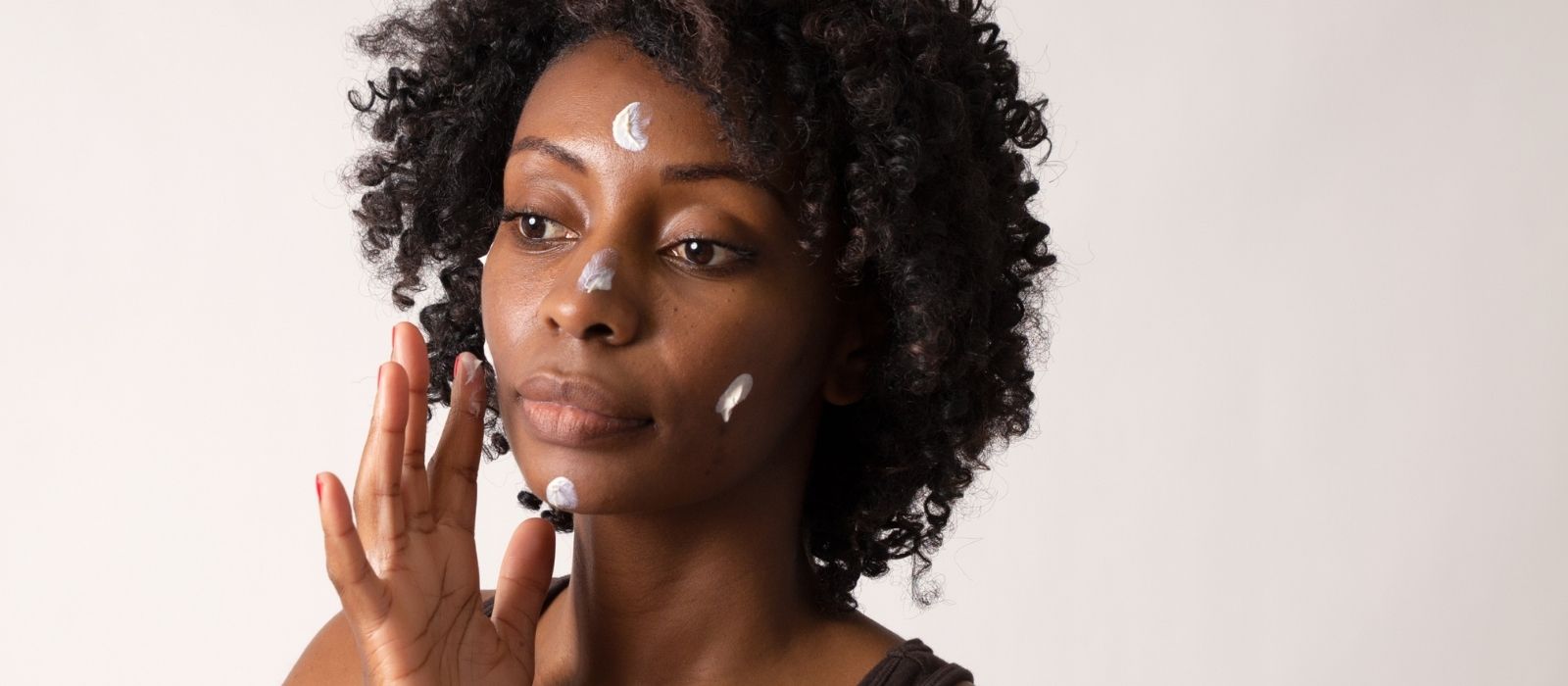
Acne marks fade more slowly on dark skin for a specific biological reason. Here's what's happening and which treatments actually work without making things worse.
You clear a breakout, but six months later you're still staring at dark spots where those pimples used to be. Your friend with lighter skin dealt with the same acne, but her marks disappeared weeks ago. This isn't your imagination, and it's not because you're doing something wrong.
Melanocytes in darker skin react more aggressively to inflammation. When a pimple triggers your skin's inflammatory response, these pigment-producing cells kick into overdrive, dumping extra melanin into the surrounding tissue. That's post-inflammatory hyperpigmentation, and on melanin-rich skin, it sticks around much longer than the original breakout.
The marks you're seeing aren't scars. They're areas where your skin produced too much pigment in response to injury. But knowing what they are doesn't make them fade faster. You need treatments that work with higher melanin levels, not against them.
Why Melanin-Rich Skin Holds Onto Acne Marks
Your melanocytes don't just produce baseline pigment. They're also part of your skin's defense system. When inflammation hits, they surge melanin production to protect the deeper layers from damage. It's protective, but it creates those persistent dark patches.
Lighter skin has fewer active melanocytes, so the pigment response stays minimal. Darker skin has more melanocytes that respond more intensely. A study from the Journal of Investigative Dermatology found that melanocytes in darker skin produce up to ten times more melanin when triggered by inflammation.
The melanin gets deposited not just in the top layer of skin, but deeper in the dermis too. Surface treatments can't reach those deeper deposits, which is why some acne marks take months or even years to fade naturally.
Ingredients That Actually Work on Dark Skin
Hydroquinone gets recommended constantly, but it's not the safest choice for melanin-rich skin. At concentrations above 2%, it can cause rebound hyperpigmentation or even permanent depigmentation. You end up with white patches that are harder to fix than the original dark spots.
Azelaic acid works better. It's gentler than hydroquinone but still blocks tyrosinase, the enzyme that produces melanin. The FDA-approved prescription strength is 20%, but over-the-counter 10% formulas show results too. Unlike hydroquinone, azelaic acid won't cause rebound darkening.
Kojic acid and arbutin are plant-based alternatives that inhibit melanin production without the harsh side effects. Kojic acid comes from fermented rice and blocks the same enzyme as hydroquinone. Arbutin, extracted from bearberry plants, releases hydroquinone slowly, giving you the benefits with less irritation risk.
Vitamin C works, but not the way most people use it. Many vitamin C serums don't penetrate properly or oxidize before they can work. L-ascorbic acid at 15-20% concentration works best, but it needs to be in a stable, low-pH formula. Magnesium ascorbyl phosphate is more stable but less potent.
The Treatment Window That Actually Matters
You can prevent post-inflammatory hyperpigmentation, but only if you start immediately. The melanin surge happens within hours of inflammation, not days or weeks later. That means treating active breakouts matters more than waiting until they're gone.
Benzoyl peroxide and salicylic acid don't just clear acne. They also reduce the inflammatory response that triggers excess melanin production. Using them during breakouts limits how much hyperpigmentation develops in the first place.
Once the dark marks are there, consistency beats intensity. Gentle daily treatment with azelaic acid or kojic acid works better than sporadic use of stronger treatments. Your skin needs steady, low-level intervention, not dramatic interventions that can trigger more inflammation.
Why SPF Discipline Changes Everything
Sun exposure doesn't just darken existing marks. UV light triggers melanocytes directly, making them produce more pigment even in areas that weren't originally affected. That's why acne marks can actually get darker instead of fading over time.
Broad-spectrum SPF 30 minimum, reapplied every two hours during daylight. Zinc oxide and titanium dioxide work best because they create a physical barrier. Chemical sunscreens can sometimes cause reactions that worsen hyperpigmentation on reactive skin.
The treatment process takes patience because you're working against your skin's natural protective response. Most people see initial fading within 6-8 weeks, but complete resolution can take 6-12 months. Adding too many products or switching treatments too quickly can actually slow the process by causing more irritation.
FAQ
Do acne marks on dark skin ever fade completely on their own?
Yes, but it takes much longer than on lighter skin. Without treatment, post-inflammatory hyperpigmentation on melanin-rich skin can take 12-24 months to fade naturally. Some deeper marks may never completely disappear without intervention.
Can I use the same acne mark treatments as someone with lighter skin?
Not always. Treatments like high-concentration hydroquinone, aggressive peels, and laser therapy carry higher risks of causing rebound hyperpigmentation or permanent color changes on darker skin. Gentler, consistent approaches work better and safer.
Why do some of my old acne marks suddenly get darker?
Sun exposure reactivates melanocytes in areas of previous inflammation, making old marks darker even months after the original breakout. This is why daily SPF use is critical for preventing marks from worsening, not just for fading existing ones.
This article is for informational purposes only. It is not a substitute for professional medical advice, diagnosis, or treatment. Always consult a qualified healthcare provider before making changes to your health routine.