Learn the specific facial massage techniques that actually reduce wrinkles and boost collagen. Skip the fluff and use methods backed by research.
You massage your face for five minutes every night with expensive serums and fancy tools. Two months later, those forehead lines look exactly the same.
The problem isn't your dedication or your products. It's that most facial massage advice treats your face like a stress ball instead of targeting the specific muscle patterns that create wrinkles. Real wrinkle-reducing massage works against gravity and repetitive muscle contractions, not with them.
Effective facial massage for wrinkles requires upward pressure, consistent technique, and targeting the right spots for at least 60 seconds each. Random circular motions feel nice but don't create lasting change in skin texture or muscle memory.
Why Most Facial Massage Fails
Your face has 43 muscles that contract thousands of times daily. Every frown, squint, and smile creates temporary creases. Over time, reduced collagen production means those creases don't bounce back completely. Most facial massage techniques work in the same direction as these repetitive movements, reinforcing the very patterns that create wrinkles.
Downward strokes along your cheeks follow gravity's pull. Circular motions around your eyes mirror the squinting action that creates crow's feet. You're essentially practicing the movements that age your face instead of countering them.
Research from the University of Illinois found that facial massage increases blood flow for up to 10 minutes after treatment, but only sustained upward pressure for 60+ seconds per area triggers measurable changes in muscle tension and lymphatic drainage.
The Right Direction and Pressure
Every stroke should move upward and outward, working against gravity's constant downward pull. Start with clean hands and a facial oil that matches your skin type to prevent dragging.
Use firm pressure, enough that you feel resistance but not so much that you're pulling your skin. Your fingers should glide smoothly without creating visible skin displacement. Think of it as lifting your facial muscles rather than smoothing your skin surface.
Work in sections: forehead, eye area, cheeks, jawline, and neck. Spend 60-90 seconds in each zone. Less time won't create enough stimulation to change muscle patterns or boost circulation meaningfully.
Specific Techniques That Work
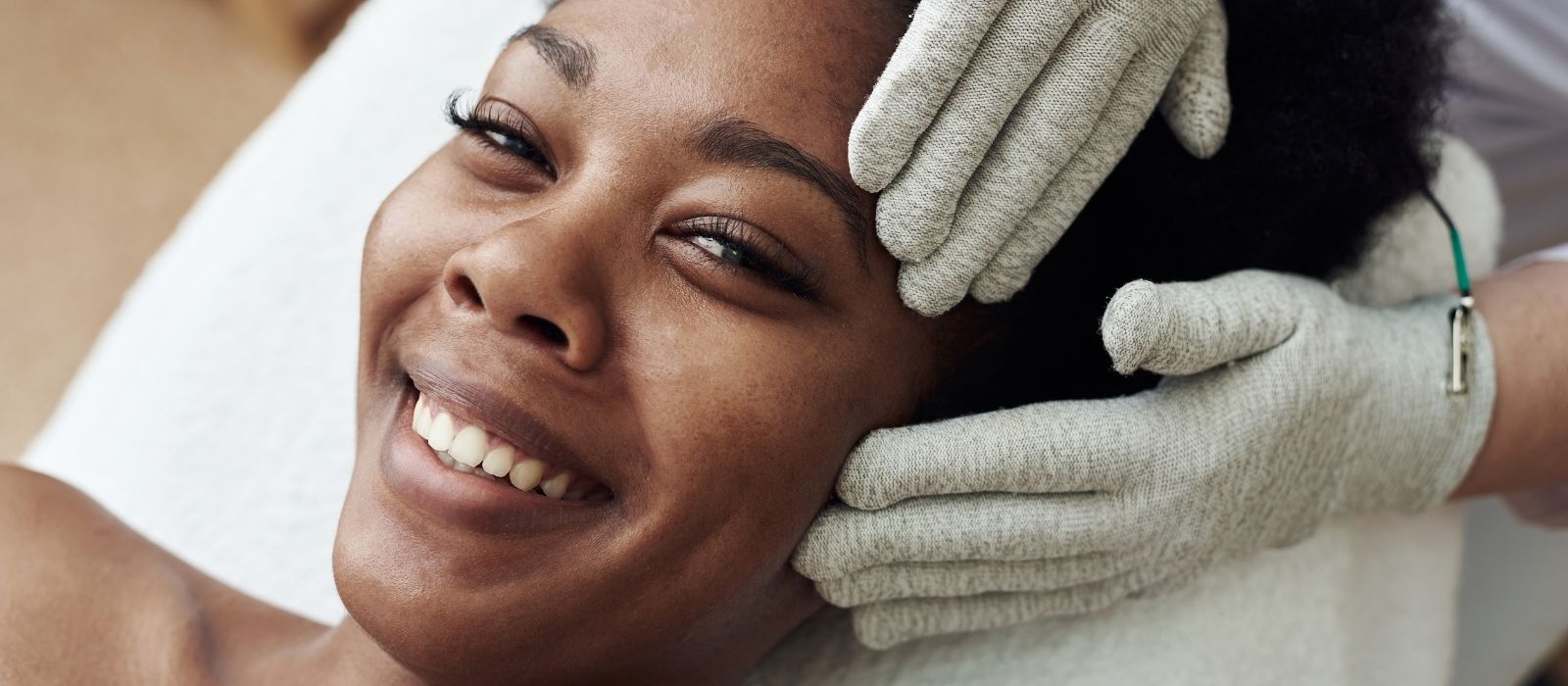
For forehead lines, place three fingers horizontally above your eyebrows. Apply steady upward pressure while slowly sliding toward your hairline. Hold for 15 seconds at the top, then repeat four times. This works against the downward pull that deepens horizontal forehead creases.
Around your eyes, use your ring fingers to create gentle upward pressure from the inner corners toward your temples. Don't circle around your entire eye socket, this reinforces the squinting pattern. Focus on lifting the outer corners where crow's feet form.
For cheek and nasolabial fold areas, start at the corners of your mouth and work upward toward your earlobes using your palms. The key is sustained pressure that lifts rather than slides across the surface. Think of it as manually supporting your cheek muscles in their lifted position.
Jawline massage requires different pressure. Use your knuckles to work along your jaw from chin to ear, applying downward pressure to release tension in muscles that pull your face downward when clenched.
Tools vs. Hands
Your hands provide better control and feedback than most tools. Facial massage tools can help if you have arthritis or hand strength issues, but they're not necessary for results.
If you do use tools, gua sha works best for jaw tension and lymphatic drainage, while jade rollers provide gentle pressure for sensitive skin. Avoid electric massaging devices that vibrate randomly, they don't target specific muscle patterns.
When to See Results
Immediate changes come from increased blood flow and temporary muscle relaxation. Your skin looks plumper and more radiant right after massage, but this fades within hours.
Real wrinkle reduction takes 6-8 weeks of daily practice. You're literally retraining muscle memory and supporting collagen production through improved circulation. Hormonal changes affect how quickly you see results, skin rebuilds faster in your twenties than your fifties.
Consistency matters more than duration. Five minutes daily beats 30 minutes once weekly because you're working against decades of repetitive muscle contractions.
FAQ
How often should I do facial massage for wrinkles
Daily massage for 5-10 minutes works best. Your facial muscles contract thousands of times per day, so consistent counter-pressure is necessary to see changes in wrinkle depth and muscle tension.
Can facial massage make wrinkles worse
Yes, if you use downward strokes or pull your skin. Always work upward and outward with proper lubrication. Aggressive massage or incorrect technique can stretch skin and deepen existing lines.
What oils work best for anti-aging facial massage
Rosehip, argan, and jojoba oils absorb well without clogging pores. Choose based on your skin type, dry skin needs heavier oils while oily skin works better with lightweight options that won't trigger breakouts.
This article is for informational purposes only. It is not a substitute for professional medical advice, diagnosis, or treatment. Always consult a qualified healthcare provider before making changes to your health routine.