Learn which acne scar treatments actually work. From professional procedures to at-home options, here's what dermatologists recommend for real results.
Your acne cleared up months ago, but the scars remain. Every mirror reminds you of breakouts that happened years back. You've tried creams, serums, and everything the internet promised would fade them. Some helped a little. Most did nothing.
Here's what dermatologists won't tell you upfront: most acne scars need professional intervention to truly disappear. The depth and type of scarring determines which treatments work, and surface-level products can only do so much for indentations that go deeper than your skin's repair mechanisms can reach.
The methods that actually work fall into two categories — professional procedures that restructure damaged tissue, and targeted at-home treatments that support collagen production over time. Both have their place, but knowing which scars respond to which approach saves you months of frustration and wasted money.
Understanding Your Scar Type Makes All the Difference
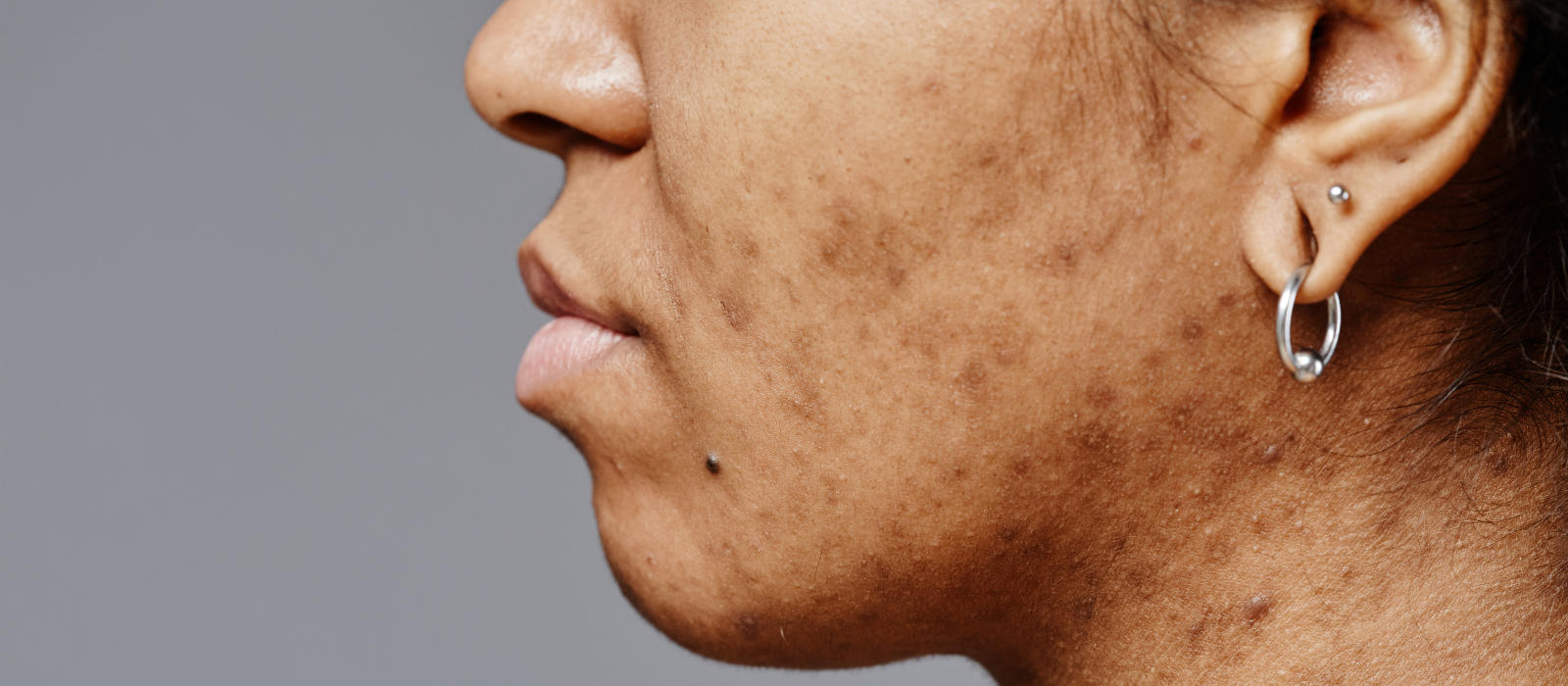
Not all acne scars are created equal, and treatments that work brilliantly for one type often fail completely for another. Ice pick scars are narrow, deep punctures that extend far into the dermis. Box car scars are wider with defined edges and moderate depth. Rolling scars create wave-like indentations across larger areas of skin.
Ice pick scars need procedures that target their depth — chemical peels and topical treatments barely touch them. Box car scars respond well to resurfacing treatments like laser therapy or dermabrasion. Rolling scars often improve with subcision, a procedure that breaks up the fibrous bands pulling down on skin from underneath.
Then there's post-inflammatory hyperpigmentation, which isn't technically scarring but dark marks left behind after acne heals. This responds completely differently to treatment than textural scarring and often improves with consistent use of retinoids and vitamin C.
Professional Treatments That Actually Restructure Skin
Laser resurfacing removes damaged skin layers to trigger collagen regeneration. Fractional CO2 lasers create controlled micro-injuries that force skin to rebuild itself smoother. The downtime is significant — expect 7-14 days of healing — but results for moderate scarring can be dramatic. Costs range from $1,500-$3,000 per session.
Chemical peels use acids to remove damaged surface layers. Superficial peels with glycolic or salicylic acid help with mild texture issues and dark spots. Deep peels with trichloroacetic acid (TCA) can improve moderate scarring but require professional application and careful aftercare. Medium-depth TCA peels cost $600-$900.
Microneedling creates tiny punctures that stimulate collagen production without removing skin layers. Professional microneedling goes deeper than at-home devices and often combines with radiofrequency for enhanced results. It's less intense than laser treatments but requires multiple sessions. Expect to pay $300-$600 per session.
Subcision works specifically for rolling scars by breaking up the fibrous bands that tether skin down to deeper layers. A dermatologist inserts a small needle under the scar to release these bands, allowing the skin to lift back to normal level. It's often combined with filler injections for immediate improvement.
At-Home Options That Actually Move the Needle
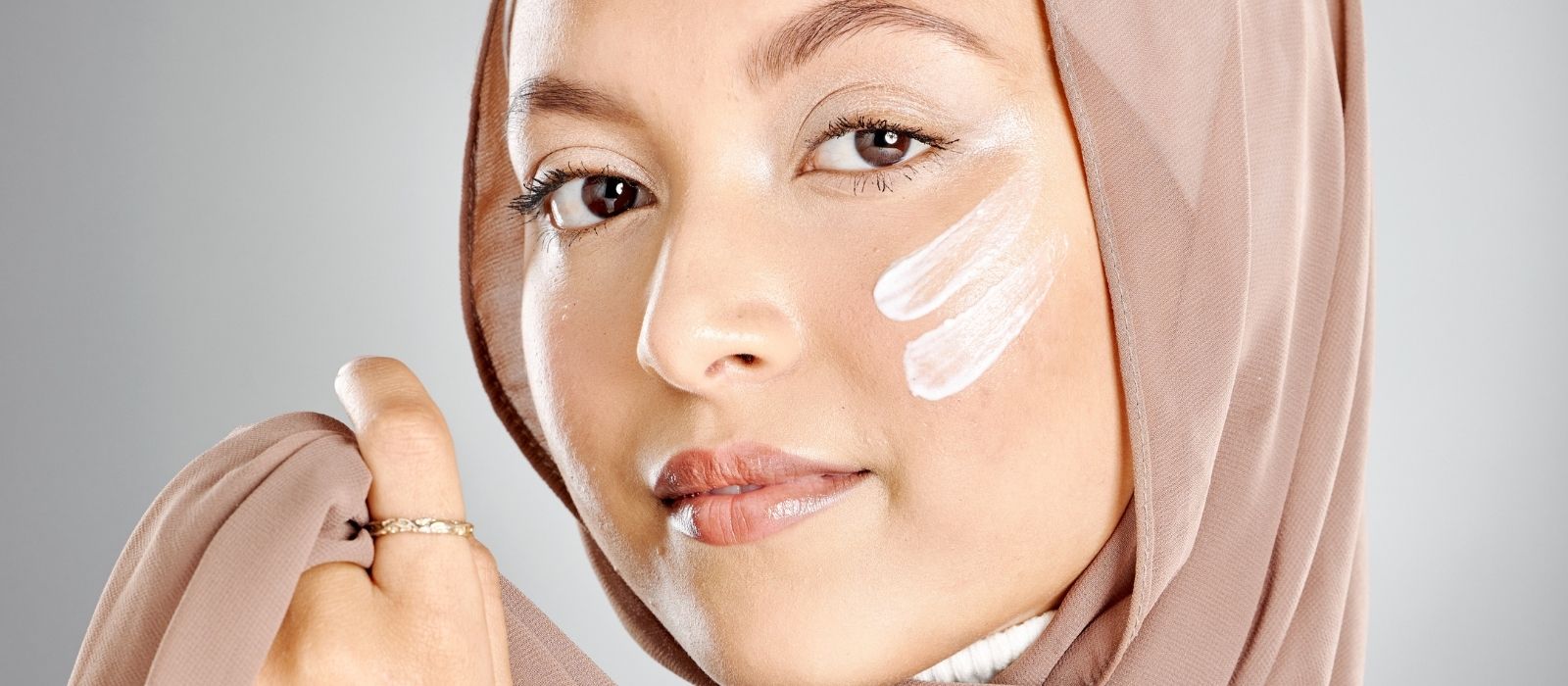
Tretinoin remains the gold standard for at-home scar improvement. This prescription retinoid increases cell turnover and stimulates collagen production over months of consistent use. It won't eliminate deep scars but can significantly improve skin texture and fade dark marks. Start with 0.025% strength to minimize irritation.
Vitamin C serums with L-ascorbic acid concentrations of 15-20% help with both collagen synthesis and pigmentation. Look for formulations with vitamin E and ferulic acid for stability. The Ordinary and SkinCeuticals CE Ferulic are dermatologist favorites.
At-home microneedling devices can support professional treatments but won't replace them for significant scarring. Needle lengths should stay at 0.5mm or less to avoid damage. Use once weekly maximum and always sterilize thoroughly.
What Doesn't Work Despite the Marketing
Over-the-counter scar gels and silicone sheets are designed for raised surgical scars, not acne scarring. They won't help indented scars and are mostly ineffective for hyperpigmentation.
Dermarollers from beauty stores often have poor-quality needles that can damage skin rather than help it. Professional microneedling devices cost thousands for a reason — the needle quality and penetration depth matter significantly.
DIY treatments with lemon juice, baking soda, or honey might feel productive but can't restructure damaged collagen fibers. Some can actually worsen hyperpigmentation, especially on darker skin tones.
The reality is that significant acne scarring requires professional intervention. At-home treatments work best as maintenance between professional procedures or for very mild textural issues. If you're dealing with deep scarring that affects how you feel about your appearance, consulting a dermatologist gives you access to treatments that can actually reconstruct damaged skin rather than just hoping topical products will eventually work.
Frequently Asked Questions
how long does it take to see results from acne scar treatment
Professional treatments show initial results in 2-4 weeks, with continued improvement over 3-6 months as collagen rebuilds. At-home treatments like tretinoin take 12-16 weeks for noticeable changes and 6-12 months for maximum benefit.
can acne scars be completely removed
Deep ice pick and box car scars can be significantly improved but rarely completely eliminated. Rolling scars and hyperpigmentation often respond better to treatment. Realistic expectations are 50-80% improvement with professional treatments.
what causes some people to scar more than others
Genetics plays the biggest role in scarring tendency. People with darker skin are more prone to hyperpigmentation, while those with certain collagen types develop more textural scarring. Hormonal acne and picking at breakouts also increase scarring risk.
This article is for informational purposes only. It is not a substitute for professional medical advice, diagnosis, or treatment. Always consult a qualified healthcare provider before making changes to your health routine.