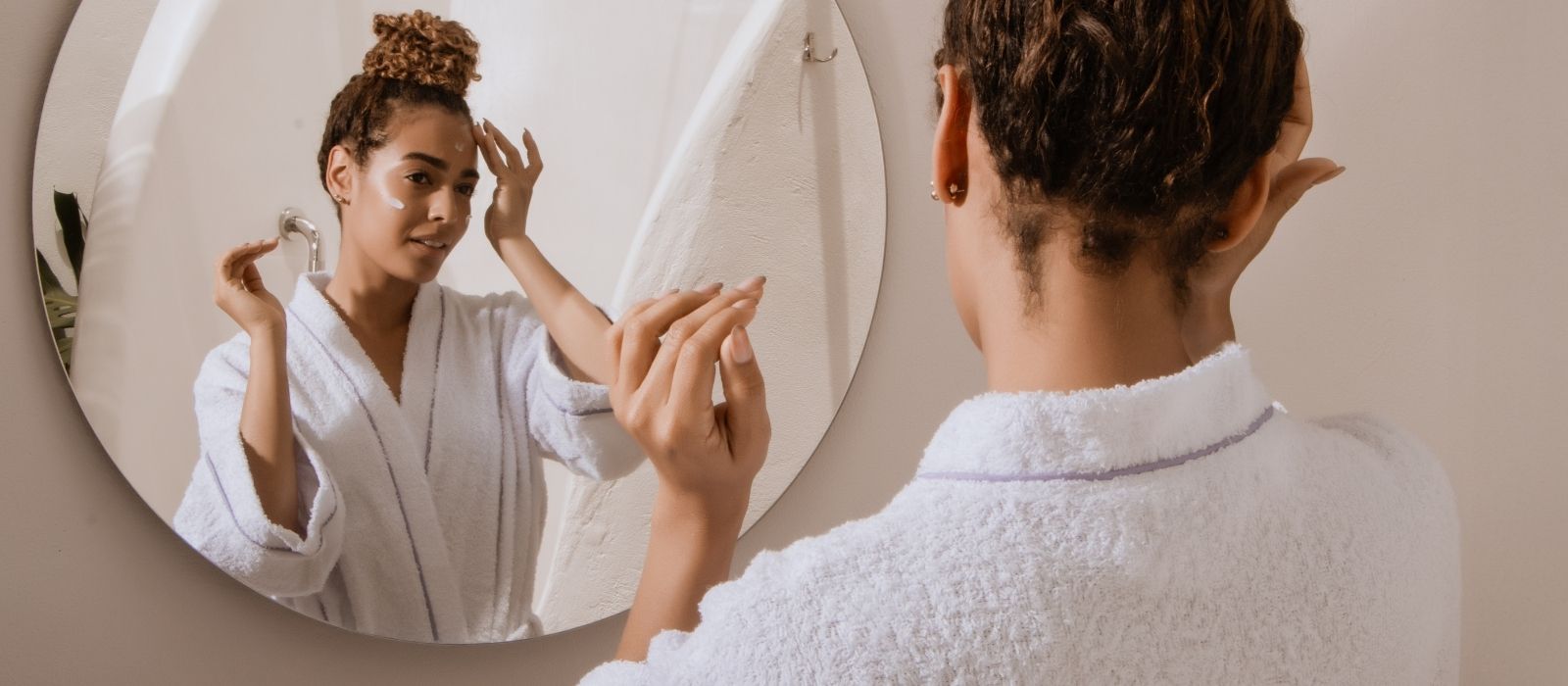
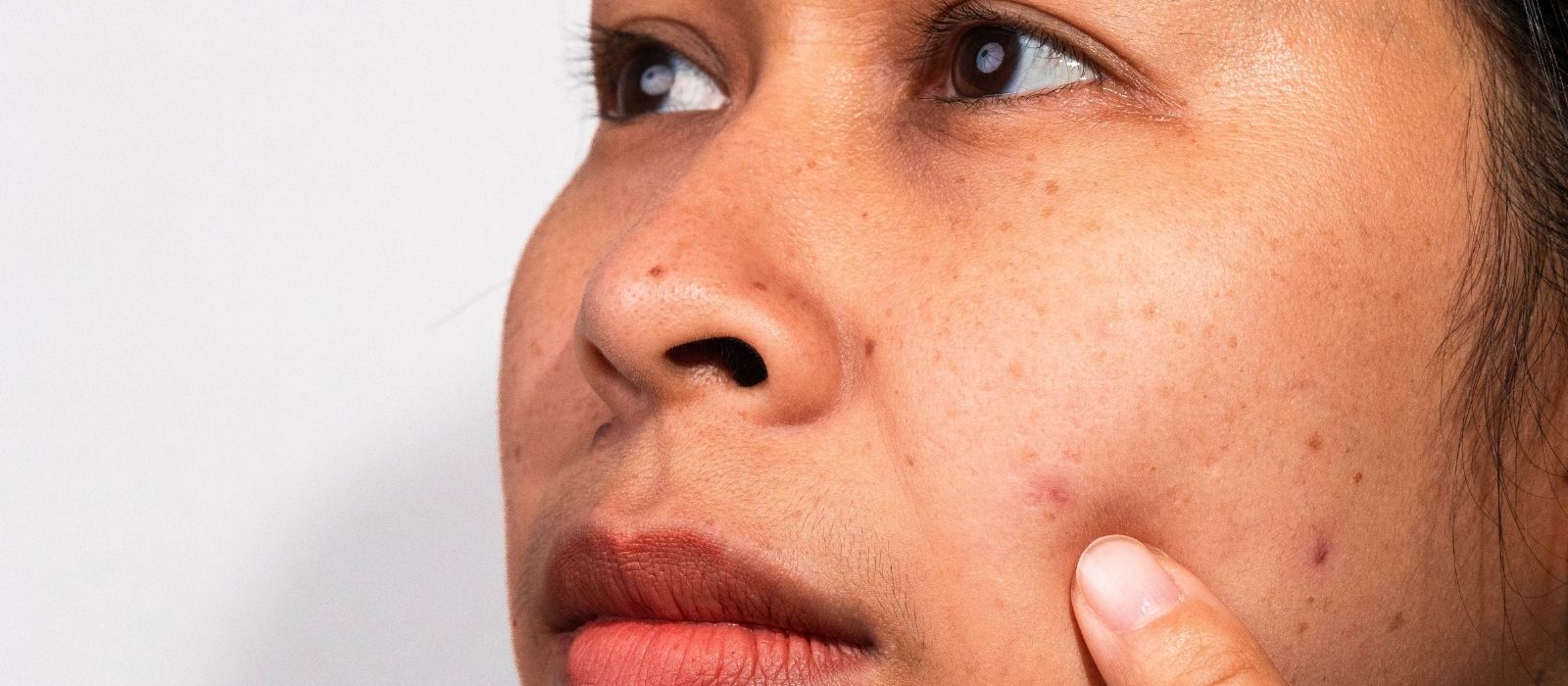
Under-eye changes aren't just about dark circles or tired eyes. The real reasons go deeper than most eye creams can reach.
You catch your reflection under the bathroom light and stop. The shadows under your eyes look deeper than they did six months ago. The skin looks thinner, almost see-through, and there's a hollow that wasn't there before. You slept eight hours and you still look tired.
More sleep and better concealer won't fix this, because the under-eye area changes with age beneath the skin. Fat is lost and shifts, bone changes shape, and collagen thins. Most eye creams work on the surface while the real changes happen deeper down.
The skin around your eyes is the thinnest on your face. It has few oil glands and sits over a muscle that moves every time you blink, squint or smile, so it shows age early.
Why Your Under-Eye Area Looks Worse With Age
Fat around the eye gives the area its smooth contour. With age, some of that volume is lost, and a review of facial volume and aging links fat loss, gravity and muscle pull to the lines that come with it. As the fullness goes, the skin sinks inward and you look tired even when you're not.
Bone changes too. In a CT scan study of 60 adults, the opening of the eye socket got wider and larger with age in both women and men. That leaves less bony support under the lower lid, and shrinking fat on top of a widening socket gives the skin more room to sink.
Collagen thins with age, and what's left becomes less organized. Under the eye, where the skin was thin to begin with, that loss shows sooner.
Under-Eye Dark Circles Aren't Just Poor Sleep
Dark circles aren't always about being tired. As the skin thins, the blood vessels and the muscle underneath show through more, which gives the purple-blue tint people read as fatigue.
Pigment is another cause. Rubbing, sun and eczema can darken the skin around the eyes, and Mayo Clinic lists melasma and post-inflammatory hyperpigmentation as causes that are more common in brown and Black skin. On darker skin tones, inflammation often leaves a brown mark behind.
Puffiness makes everything look worse. When fluid collects around the eyes, after a salty meal for example, the swelling casts shadows over hollows and darkens circles.
What Actually Works for Under Eye Hollowing
Retinoids help, within limits. Prescription tretinoin can improve collagen in sun-damaged skin, but results take months and it won't replace lost volume. The skin here irritates easily, so improvements tend to be modest.
Hyaluronic acid fillers replace lost volume directly, and the result is immediate. How long it lasts depends on the product and where it's injected. Choose an experienced, licensed injector: the FDA warns that filler accidentally injected into a blood vessel can cause vision problems, including blindness.
Radiofrequency (such as Thermage) and focused ultrasound (such as Ultherapy) use heat to prompt collagen remodeling. They suit mild hollowing at best and won't replace significant volume loss. Results build gradually over months.
Eye creams can't reach the deeper structures. Caffeine formulas may make the area look less puffy for a few hours, and peptide creams may support collagen a little, but neither reverses structural change.
Under-eye aging happens in several layers at once. Surface treatments help with texture and discoloration, but hollows need something that adds volume or support. Work out which problem you have, and you'll know which treatment is worth paying for.
FAQ
Why do my under eyes look worse in certain lighting
Harsh overhead light casts shadows into any hollow, so volume loss looks deeper than it does in soft, diffused light.
Can drinking more water fix dark under eye circles
Not really. Staying hydrated is good for you, but it won't fix thin skin, visible blood vessels or pigment, which are the usual causes. Sleep, sun protection and not rubbing your eyes are more useful.
At what age do under eyes start looking hollow
There's no fixed age. Many people notice hollowing from their thirties onward, and genetics, sun exposure, smoking and frequent eye rubbing all affect when it shows.
This article is for informational purposes only. It is not a substitute for professional medical advice, diagnosis, or treatment. Always consult a qualified healthcare provider before making changes to your health routine.