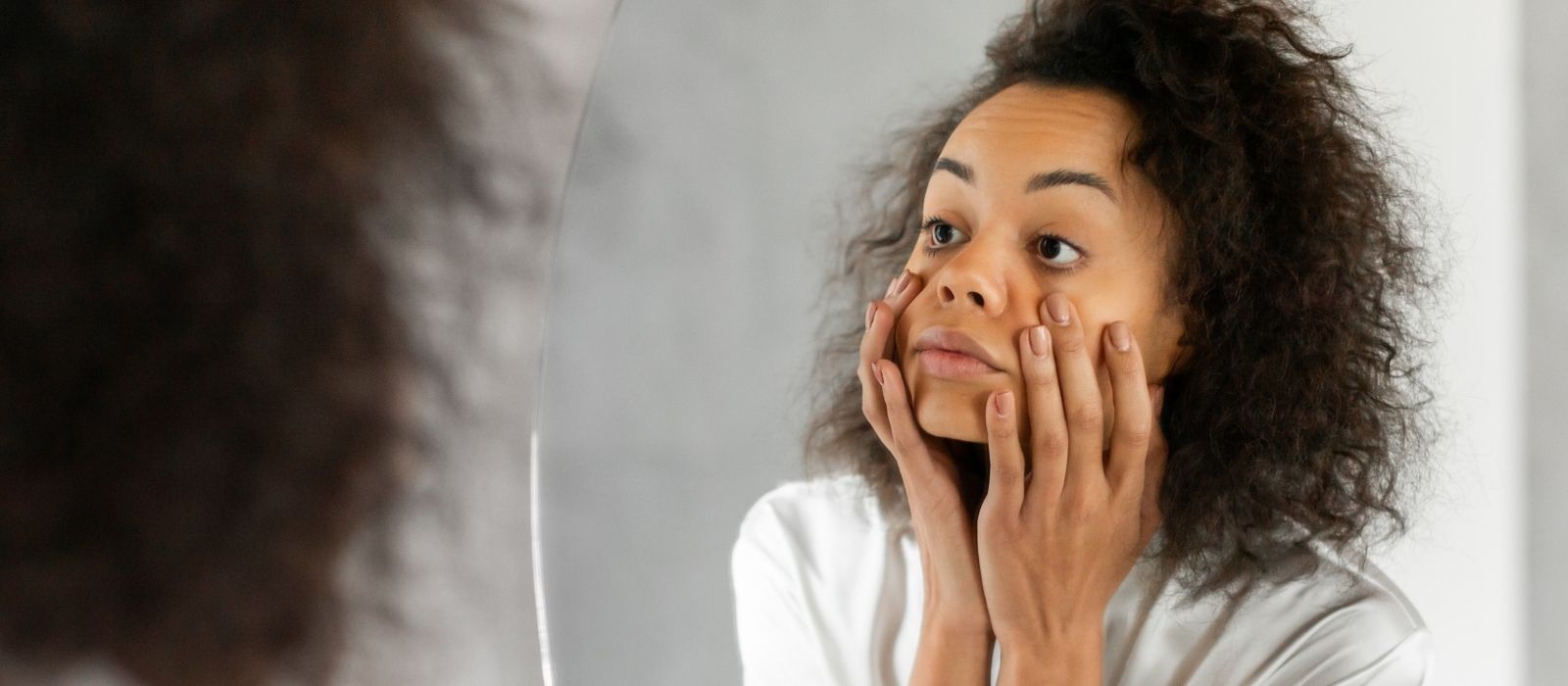
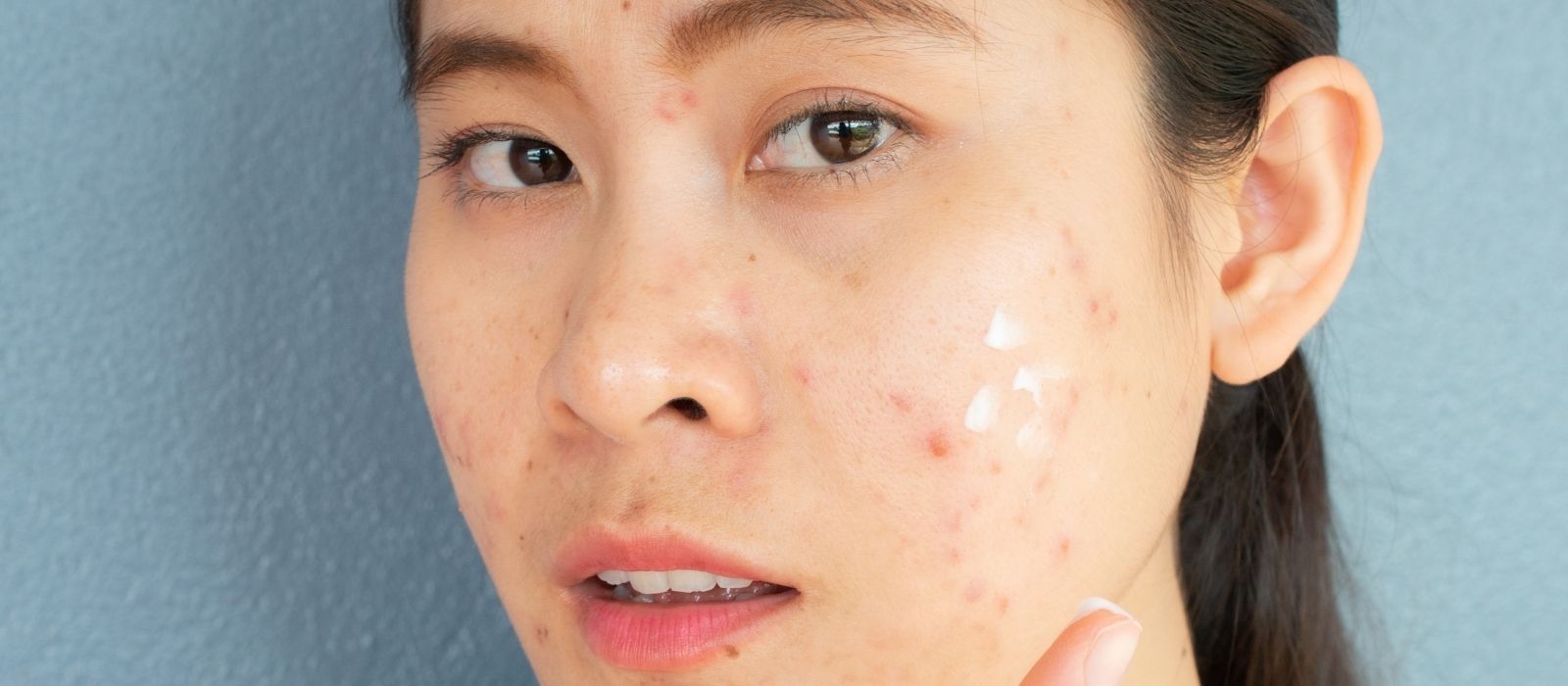
Drinking more water won't fix dull skin. Here's what's actually causing it and what makes a real difference.
Your skin looks dull because dead skin cells are sitting on the surface, not because you need more water. Hydration happens in the deeper layers of skin, but radiance comes from what's happening at the very top, and those are two completely different problems that require different solutions.
The glow you're chasing isn't about plumping up your skin with H2O. It's about light reflection. When dead skin cells pile up on your surface, they scatter light instead of reflecting it cleanly. That's why your skin looks flat and lifeless even when it feels perfectly moisturized.
Most people drink their eight glasses a day and wonder why they still look tired. Meanwhile, someone else drinks coffee all day but has luminous skin because they're actually addressing cell turnover. The difference isn't hydration, it's surface renewal.
Why Drinking Water Doesn't Create Glow
Water hydrates your skin from the inside out, reaching the dermis where collagen and elastin live. But the epidermis, your skin's outermost layer where dullness happens, gets most of its moisture from topical products and your natural oil production, not from the water you drink.
A study from the University of Wisconsin found that increasing water intake only improved skin hydration in people who were severely dehydrated to begin with. For everyone else, drinking more water showed no measurable change in skin moisture levels or appearance.
The real issue is that your skin naturally sheds about 30,000 dead cells every minute, but sometimes they don't fall off cleanly. They cluster together with oil and dirt, creating a dull film that no amount of internal hydration can fix. This is why people with oily skin can still look dull, it's not a moisture problem.
What Actually Causes Dull Skin
Dead cell buildup happens faster than you think. Your skin completes a full turnover cycle every 28 days in your twenties, but that slows to 40-50 days by your forties. Those extra weeks mean more time for cells to accumulate on your surface.
Your natural exfoliation process also gets disrupted by things that have nothing to do with hydration. Sun damage breaks down the proteins that help cells shed properly. Inflammation from irritation or redness interferes with healthy turnover. Even sleeping on dirty pillowcases can trap dead cells against your skin.
Hormonal changes affect cell renewal too. During your period, cell turnover slows down, which is why your skin often looks flat right before you start bleeding. Cortisol from stress also disrupts the shedding process, leaving you with that tired, lackluster look even after a full night's sleep.
What Makes Skin Actually Glow
Gentle exfoliation removes the dead cell layer that's blocking light reflection. This doesn't mean scrubbing, physical scrubs can create microscopic tears that make dullness worse. Chemical exfoliants like lactic acid or glycolic acid dissolve the bonds holding dead cells together, letting them fall away naturally.
Vitamin C brightens skin by inhibiting melanin production and providing antioxidant protection, but it also improves light reflection by supporting healthy cell turnover. A study from the Journal of Clinical and Aesthetic Dermatology found that topical vitamin C increased skin radiance within four weeks, independent of any changes in hydration levels.
Retinoids speed up cell renewal, bringing fresh cells to the surface faster. This is why people using tretinoin often see dramatic improvements in skin brightness. The new cells reflect light more efficiently than old, damaged ones. Initial purging is normal as your skin adjusts to faster turnover.
Niacinamide improves skin texture and reduces the appearance of enlarged pores, both of which contribute to better light reflection. It also helps regulate oil production, preventing the buildup that can make skin look flat and congested.
Why Hydration Still Matters
Proper hydration does support healthy skin function, just not in the way most people think. Well-hydrated skin maintains its barrier function better, which prevents irritation that can disrupt normal cell turnover. It also helps your skin bounce back from environmental damage more efficiently.
The key is pairing internal hydration with surface treatments. Drink enough water to support overall skin health, but don't expect it to solve dullness. Focus on products that actually address cell turnover and light reflection instead.
Frequently Asked Questions
How long does it take to see results from exfoliating?
You'll notice smoother texture within a few days, but real radiance takes 2-4 weeks as your skin completes a full turnover cycle with the dead cell buildup removed.
Can you over exfoliate and make dullness worse?
Yes. Over-exfoliating damages your skin barrier, causing irritation and inflammation that actually slows down healthy cell turnover and makes skin look duller.
Why does my skin look dull even with good skincare?
You might be focusing on hydration instead of cell turnover, using products that are too gentle for your skin's needs, or dealing with underlying issues like hormonal changes or sun damage that require targeted treatment.
This article is for informational purposes only. It is not a substitute for professional medical advice, diagnosis, or treatment. Always consult a qualified healthcare provider before making changes to your health routine.