Learn how microplastics effects on skin and hair create inflammation, clog pores, and disrupt your scalp health. Plus practical ways to reduce daily exposure.
Your shampoo bottle has a recycling symbol. Your face wash comes in sustainable packaging. But the real plastic problem isn't the containers — it's what's inside them, and it's smaller than you can see.
Microplastics are plastic particles under 5 millimeters. They're in your skincare products as microbeads, in your makeup as glitter, and floating in your tap water from synthetic clothing fibers that shed in the wash. Every time you cleanse, moisturize, or rinse your hair, you're coating your skin and scalp with plastic particles that don't break down.
The microplastics effects on skin and hair go beyond surface irritation. These particles penetrate your pores, accumulate on your scalp, and trigger inflammation that shows up as breakouts, sensitivity, and hair growth problems you can't trace back to any obvious cause.
How Microplastics Damage Your Skin Barrier
Your skin barrier keeps irritants out and moisture in through a protective layer of lipids and dead skin cells. Microplastics disrupt this system by lodging in pores and creating physical irritation that triggers chronic low-grade inflammation.
A 2022 study from the University of Hull found microplastic particles in human skin samples, with the highest concentrations around pores and hair follicles. The particles create micro-injuries as they move across your skin, similar to sandpaper, but too small to feel.
This constant irritation forces your skin to produce more oil to protect itself, which is why people using products with microbeads often deal with unexpected breakouts. The plastic particles also attract bacteria and hold onto dead skin cells, creating the perfect environment for clogged pores.
Melanin-rich skin faces additional challenges. The same inflammation that causes breakouts can trigger post-inflammatory hyperpigmentation, leaving dark spots that take months to fade. Natural skin remedies become less effective when you're constantly reintroducing the irritant causing the problem.
What Microplastics Do to Your Scalp and Hair Growth
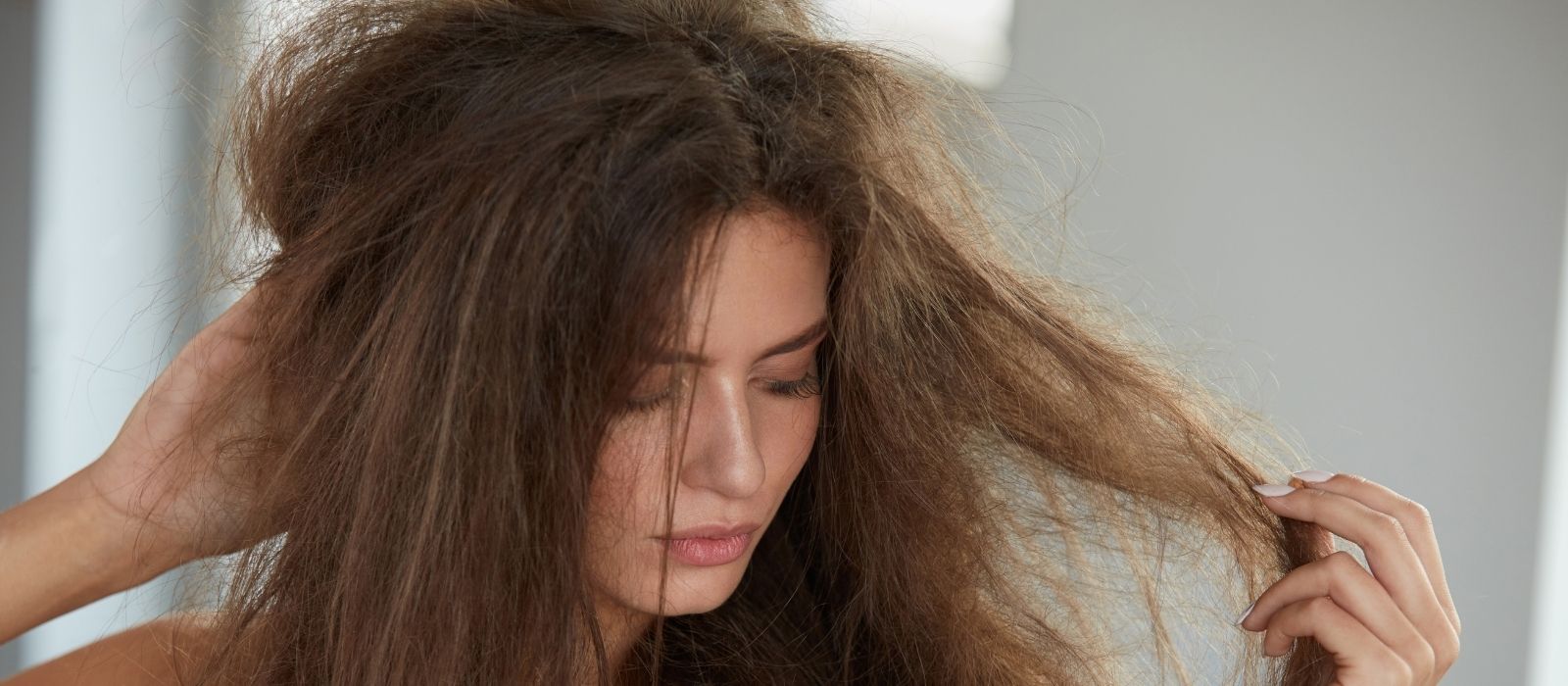
Your scalp has more sebaceous glands than your face, making it particularly vulnerable to microplastic accumulation. These particles build up around hair follicles, creating a barrier that prevents natural oils from moving down the hair shaft and blocks new growth.
The result looks like scalp health problems you'd normally blame on genetics or hormones — thinning at the crown, brittle ends, and hair that won't grow past a certain length. But the real issue is mechanical obstruction from plastic buildup.
Microplastics also interfere with your scalp's natural exfoliation process. Dead skin cells that should shed normally get trapped by plastic particles, creating the flakes and buildup that make your hair look dull even after washing.
Where Microplastics Hide in Your Routine
Exfoliating scrubs top the list, but microplastics show up in unexpected places. Polyethylene and polypropylene appear on ingredient lists for cleansers, toothpaste, and even some moisturizers as texture enhancers.
Synthetic makeup brushes shed plastic fibers directly onto your skin. Polyester clothing releases microfibers that settle on your pillow and transfer to your face and hair overnight. Even tap water contains microplastics from textile washing and plastic breakdown.
Hair products contain plastic polymers for hold and shine. These build up over time, which is why clarifying shampoos exist — but most people don't use them frequently enough to prevent accumulation.
Practical Ways to Reduce Microplastic Exposure
Start with your cleansing routine. Switch to physical exfoliants made from natural materials — sugar, salt, or ground oats instead of plastic beads. Check ingredient lists for polyethylene, polypropylene, and polymethyl methacrylate.
Install a shower filter that removes particles down to 1 micron. Basic carbon filters don't catch microplastics — you need mechanical filtration. Quality filtration systems are available at various price points.
Replace synthetic makeup brushes with natural fiber options. Wash polyester clothing in cold water to reduce fiber shedding, and consider switching pillowcases to cotton or linen.
For hair care, incorporate scalp massage techniques that help dislodge buildup, and use clarifying treatments weekly instead of monthly. Apple cider vinegar rinses dissolve some plastic residue that regular shampoo leaves behind.
The goal isn't perfection — microplastics are everywhere. But reducing the major sources in your daily routine gives your skin and scalp a chance to repair the damage and function normally again.
FAQ
Do microplastics in skincare cause acne?
Microplastic particles may clog pores and create inflammation that triggers breakouts. They also attract bacteria and trap dead skin cells, potentially making existing acne worse. Switching to plastic-free cleansers may help clear up unexplained breakouts over time.
Can microplastics cause hair loss?
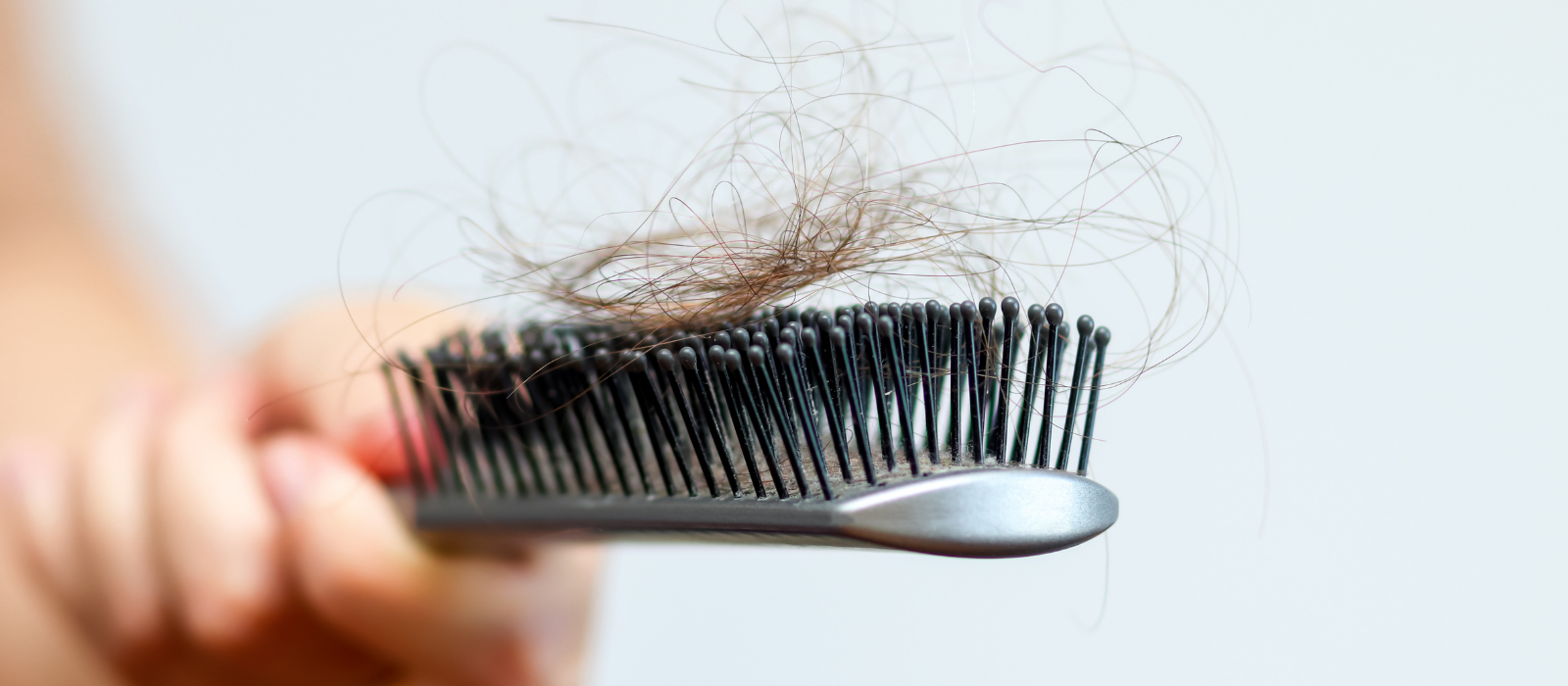
Microplastics don't directly cause hair loss, but they create scalp buildup that blocks follicles and prevents healthy growth. This can make existing hair loss conditions worse and prevent edge regrowth in areas where hair is already fragile.
How long does it take to see improvements after reducing microplastic exposure?
Many people notice clearer skin within several weeks of eliminating major microplastic sources. Hair improvements may take longer because you need time for buildup to clear and new growth to replace damaged strands. Environmental factors like air quality also affect how quickly you see results.
This article is for informational purposes only. It is not a substitute for professional medical advice, diagnosis, or treatment. Always consult a qualified healthcare provider before making changes to your health routine.