Laser isn't permanent on a woman's face, says the AAD. How each facial hair removal method compares for upkeep and dark marks on darker skin.
Electrolysis is the only facial hair removal method that Cleveland Clinic calls permanent. Laser comes close, but the AAD says it isn't permanent on a woman's face, because hormones keep making new hair.
So the best way to remove facial hair is the one whose upkeep you can live with. On brown or black skin, it's also the one least likely to leave dark marks behind.
Maybe you've plucked the same chin hairs every few days for years. Or you paid for a laser package and watched the hair creep back. Nothing went wrong, because that's how women's facial hair behaves. What changes from method to method is how often you repeat it, and what it costs your skin.
Is Any Facial Hair Removal Permanent?
Only electrolysis, and only one follicle at a time. A trained electrologist puts a thin wire into each follicle and uses an electric current to destroy the root. Cleveland Clinic says it permanently removes hair from all skin tones. It also takes weekly or every-other-week visits for up to a year and a half.
Laser is sold as permanent, but lasers can be FDA-cleared to claim "permanent hair reduction," and that wording matters. One FDA clearance letter defines it as long-term stable reduction in the number of hairs that grow back after treatment. That means fewer hairs, not none.
The AAD is blunter. It says laser is permanent on most areas of the body, but that due to hormones, it's not permanent on a woman's face. Treatment can be repeated when the hair grows back.
Even the number of sessions varies by who you ask. The AAD says most patients need 2 to 6 laser treatments, spaced 4 to 6 weeks apart, and some need maintenance sessions after that. Mayo Clinic says most people need 4 to 8 for best results. Budget for the higher number, plus top-ups.
Facial Hair Removal Methods Compared
Here's how the options line up on how long they last, what they ask of you, and where darker skin runs into trouble. Each row is explained further down.
| Method | How long it lasts | Upkeep | Main watch-out, including on darker skin |
|---|
| Shaving | Short, repeat regularly | Quick and not costly | Razor bumps if hair is tightly curled |
| Plucking | Often grows back | Fine for a few hairs | Ingrown hairs, then dark marks |
| Waxing or sugaring | 2 to 8 weeks (waxing), about 3 weeks (sugaring) | Salon or home, regular | Irritation and ingrown hairs, then dark marks |
| Hair removal cream | Short, reapply regularly | Frequent reapplication | Chemical irritation |
| Laser | Months or years, with top-ups | Several sessions, usually not covered by insurance | Higher risk of skin darkening or lightening |
| Electrolysis | Permanent per follicle | Frequent visits for up to 18 months | Temporary dark spots |
| Eflornithine cream | Only while you use it | Prescription, twice a day | Stinging, rash or acne |
Which Hair Removal Method Is Safest on Dark Skin?
None is risk-free, but the risk comes from different places. With laser, it's the machine and its settings. With shaving, plucking and waxing, it's the bumps and irritation afterward.
Laser works by targeting melanin, the pigment in the hair. Mayo Clinic says it works best when there's a clear contrast between hair color and skin color. The risk of treated skin darkening or lightening is higher in black or brown skin. Those changes are usually temporary but can last in rare cases.
The type of laser matters most here. A 2020 review pooled 12 trials in people with skin types III to VI, which covers medium to deep skin tones. The long-pulsed Nd:YAG laser caused less hyperpigmentation than intense pulsed light (IPL). Alexandrite lasers removed more hair than IPL, and overall the devices gave broadly similar results.
So before you book, ask which laser the clinic will use on your skin, and how many treatments they've done on skin your color. Don't go in with a tan. Mayo Clinic says to avoid sun and tanning beds, and the AAD says laser on darker skin must be performed very carefully.
Cleveland Clinic says electrolysis works with the widest range of skin and hair types. It notes that people with darker skin may get temporary dark spots, and that scarring is rare.
Then there's the everyday stuff. Mayo Clinic says the main risk factor for ingrown hair is tightly curled hair, and that shaving, tweezing and waxing usually trigger it. Ingrown hairs can leave darker patches of skin, and sometimes raised scars called keloids. Treating ingrown hairs on dark skin goes through what to do once bumps appear.
Shaving, Plucking and Waxing: What to Expect
Shaving your face won't make the hair grow back thicker. Mayo Clinic says shaving doesn't change its thickness, color or rate of growth. Regrowth feels stubbly because the razor leaves a blunt tip. If your hair curls, Mayo Clinic suggests a sharp single-blade razor, shaving in the direction of growth.
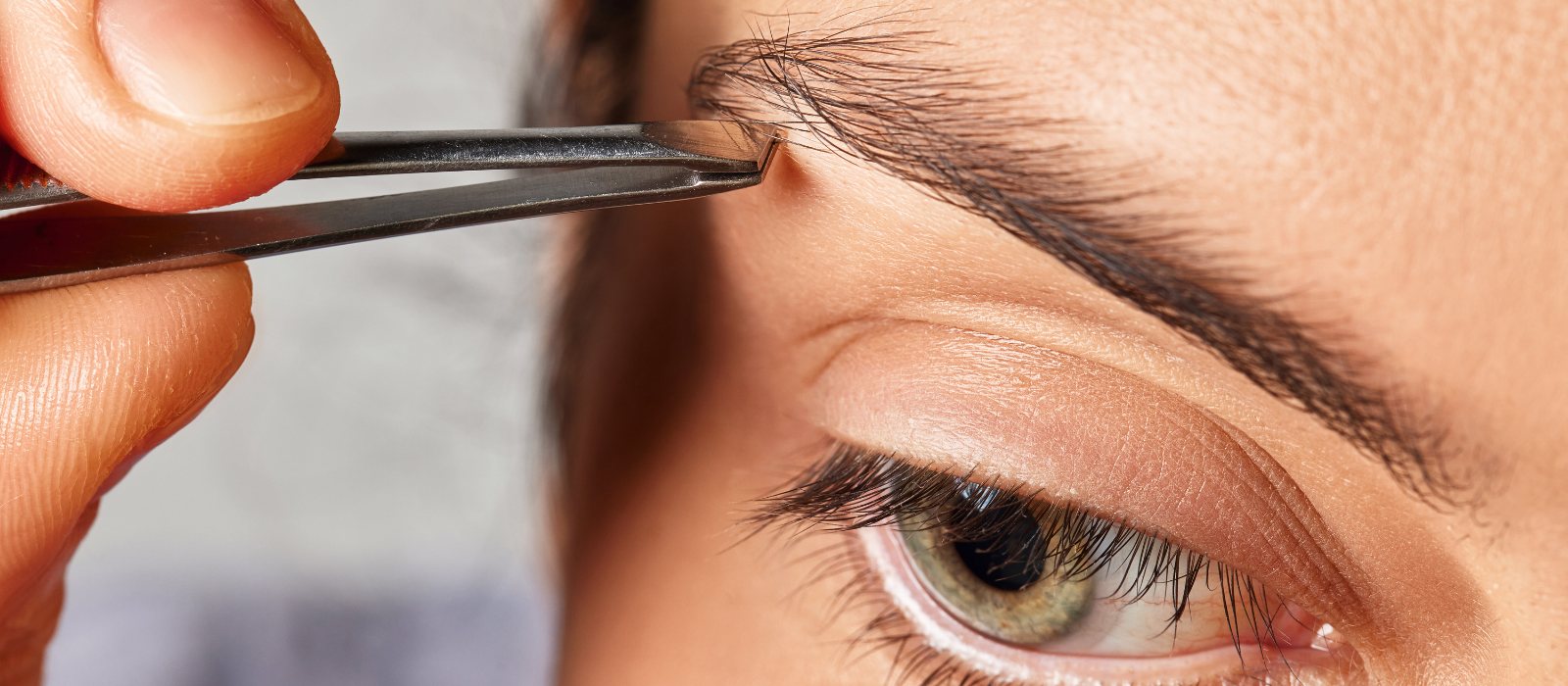
Plucking is for strays: Mayo Clinic calls it a good way to remove a few stray hairs, but not useful for a large area. It adds that plucked hair often grows back. Tweezing a cluster on the chin every few days repeats that risk each time.
Waxing covers a big area fast, but Mayo Clinic says it may sting and can irritate the skin. Cleveland Clinic says waxing lasts two to eight weeks, depending on how fast your hair grows.
Sugaring uses a paste of sugar, lemon juice and water. Cleveland Clinic says it may also cause less irritation than waxing, and most treatments last about three weeks.
Cleveland Clinic adds that people with coarse, curly hair are more likely to get ingrown hairs from sugaring. Stop irritating products like tretinoin a few days before, and don't book if your skin is sunburned, irritated or infected. If you use retinol, using retinol on dark skin explains how to time it.
Hair removal creams dissolve hair with chemicals, and Mayo Clinic says they may irritate the skin. Bleaching lightens the hair instead of removing it. Mayo Clinic says that makes hair harder to see on people with light skin, and to test any product on a small patch first.
Laser or Electrolysis: Which Suits You?
Your hair color decides most of it. Mayo Clinic says laser is often the better option for black, brown or auburn hair, and electrolysis for naturally blond or white hair. Gray hair has less pigment for the laser to find, and red hair doesn't absorb enough laser energy to damage the follicle.
Mayo Clinic says electrolysis can be painful, and a numbing cream may help. Cleveland Clinic says it doesn't usually cause much discomfort, and that each session lasts 15 minutes to an hour. That adds up fast for an upper lip and chin.
The AAD says insurance doesn't cover laser hair removal. It also recommends a board-certified dermatologist for laser treatments. If you're switching to laser, Mayo Clinic says to stop waxing, plucking or electrolysis at least four weeks before.
Does Eflornithine Cream Work for Facial Hair?
It slows hair down, but only while you use it. Eflornithine is a prescription cream for women's facial hair, usually around the lips or under the chin. MedlinePlus says stopping use of eflornithine will cause hair to grow as it did before.
It doesn't remove hair, so you keep shaving or plucking alongside it. You apply it twice a day, at least 8 hours apart, and MedlinePlus says the full benefit may take four weeks or longer. Common side effects are stinging, burning, redness, rash and acne.
Tell your doctor if you're pregnant, trying to get pregnant or breastfeeding. If the cream hasn't helped, your doctor will likely stop it. Severe skin irritation means stopping it and calling your doctor right away.
Mayo Clinic says it can be used with laser or electrolysis for better results. If hormones are driving the growth, ask about treating them too. Mayo Clinic says birth control pills with estrogen and progestin can treat hair growth caused by androgens, if you're not trying to get pregnant. Spironolactone helps modestly, takes at least six months, and needs reliable birth control because it can cause birth defects.
When Should New Facial Hair Send You to a Doctor?
When it's spreading fast or arriving with other changes. Mayo Clinic says to get a checkup if, over a few months, you have heavy or rapid hair growth on your face or body. Don't treat that as a hair removal problem first.
Get checked promptly if the hair comes with any of these:
- a deeper voice
- hair loss from your scalp
- new acne
- smaller breasts or more muscle
- a larger clitoris
One hormonal cause is polycystic ovary syndrome (PCOS). Mayo Clinic says it often starts during puberty and may slowly lead to extra hair, irregular periods and trouble getting pregnant over years. So hair that has built up since your teens is still worth raising with a doctor. Why women get facial hair covers the causes and what a doctor will test.
See a dermatologist if hair removal keeps leaving bumps or marks that don't fade. Why dark marks last longer on dark skin explains what helps them fade.
Frequently Asked Questions
What Is the Best Way to Remove Chin Hair?
For a few stray hairs, tweezers are fine, though plucked hair often grows back. For more than a few, shaving is quick and cheap, and laser or electrolysis lasts longer. If chin hair spread fast over a few months, see a doctor first.
Does Shaving Your Face Make Hair Grow Back Thicker?
No. Mayo Clinic says shaving doesn't change hair's thickness, color or rate of growth. It feels coarse at first because the cut leaves a blunt tip.
Is Laser Hair Removal Safe for Dark Skin?
It can be, with the right laser and an experienced provider. The risk of skin darkening or lightening is higher on black or brown skin. In trials on darker skin, the long-pulsed Nd:YAG laser caused less hyperpigmentation than IPL, so ask which device the clinic uses.
This article is for informational purposes only. It is not a substitute for professional medical advice, diagnosis, or treatment. Always consult a qualified healthcare provider before making changes to your health routine.