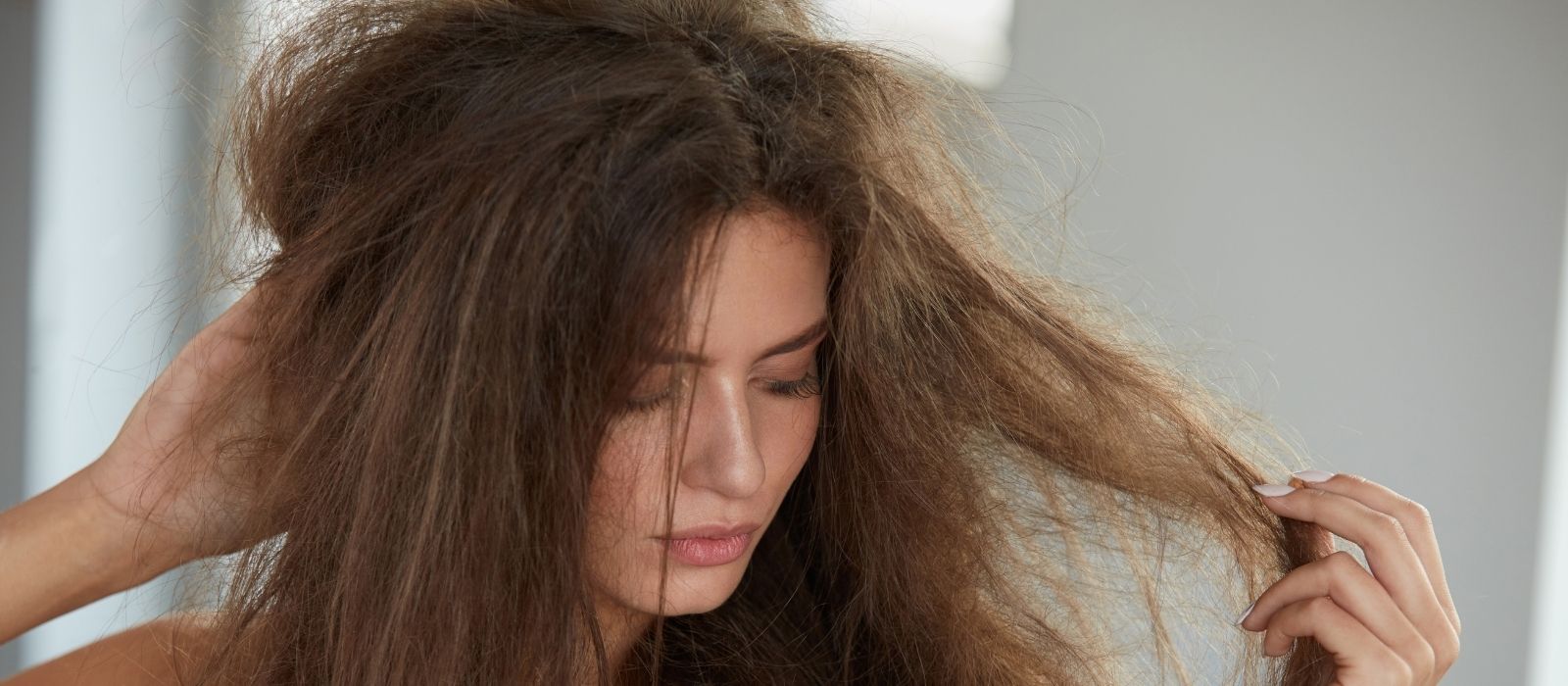
Poor indoor air quality triggers breakouts, speeds aging, and damages hair follicles. Learn what's in your air and how to protect your skin and hair from hidden pollutants.
You can have a careful skincare routine and still spend most of your day in air that works against it. The products you clean with, the furniture you sit on and the stove you cook on all release gases and particles, and your face and scalp sit in that air for hours.
The US Environmental Protection Agency says sources inside the home are the main cause of indoor air problems, and names pressed-wood furniture, new carpet and flooring, cleaning and personal care products, and fuel-burning appliances among them. When too little outdoor air comes in, those pollutants build up.
The link between air pollution and skin is real but has mostly been studied outdoors, and the evidence for hair is much thinner. Here's what's known and what's worth changing.
How Air Pollution Affects Your Skin
The best-known study comes from Germany. In a 2010 study of 400 women aged 70 to 80, those exposed to more soot and traffic particles where they lived had about 20% more pigment spots on the forehead and cheeks. The link with wrinkles was weaker.
That was outdoor traffic pollution, so it doesn't tell you exactly what your living room is doing to your skin. Fine particles do get indoors, though, along with smoke and cooking fumes, and they're one more reason to sort out ventilation.
If your skin keeps flaring with no clear cause, household irritants are worth looking at alongside the usual suspects, including stress-related skin issues.
What Indoor Air Does to Your Hair and Scalp
Dust and particles settle on your hair and scalp like any other surface. Beyond that, there's very little research in people on indoor air and hair. If your hair seems to have stopped growing or you're shedding more, stress, hormones, low iron and breakage are far more common causes and worth checking first.
One thing to avoid is any air cleaner that makes ozone. The EPA warns that ion generators and some other electronic air cleaners produce ozone, a lung irritant, sometimes at levels above what's considered safe. A filter-based purifier is the better buy.
Where Indoor Pollution Comes From
Pressed-wood furniture like particle board and MDF can release formaldehyde, especially when it's new. That new-furniture smell is off-gassing, so air the room well after a delivery.
New carpet, flooring and the adhesives used to lay them release volatile organic compounds too. Hard floors with natural fiber rugs are a simpler option if you're replacing flooring anyway.
Cleaning sprays, air fresheners and fabric softeners add their own chemicals to the air. Fragrance-free versions, and a window open while you clean, cut that down.
Gas stoves and unvented gas or kerosene heaters give off nitrogen dioxide. The EPA notes that indoor levels in homes with them often exceed outdoor levels, and recommends an exhaust fan vented outdoors over a gas stove.
What to Change at Home
A HEPA air purifier takes particles out of the air but not gases. For volatile organic compounds you need one with an activated carbon filter. Put it in your bedroom, where you spend the most hours in one place.
Let fresh air in when the air outside is good, and run the bathroom and kitchen fans every time you shower or cook.
When you replace things, choose solid wood over particle board, and low-VOC paint when you redecorate.
Houseplants won't fix any of this. A 2020 review of 12 chamber studies estimated you'd need between 10 and 1,000 plants per square meter of floor to match the cleanup that normal air exchange already gives a typical building. Keep them because you like them.
If your scalp is itchy or prone to buildup, cleaner air won't replace a good wash routine, but it's one less thing settling on it.
FAQ
Does indoor air quality really affect acne breakouts?
It might, but the evidence is weak. Research on air pollution and skin has mostly looked at outdoor pollution and signs of ageing like pigment spots, not acne. If you're breaking out, treat the acne directly and think of cleaner air as a general health step.
How long does it take to see skin improvements after fixing air quality?
No study gives a reliable timeline. Better ventilation and fewer irritants are worth it for your lungs anyway, and any change in your skin depends on what was bothering it in the first place.
Can air purifiers replace proper ventilation for skin health?
No. Purifiers add to ventilation but don't replace it. You still need fresh air coming in to control humidity and clear out gases a purifier can't catch.
This article is for informational purposes only. It is not a substitute for professional medical advice, diagnosis, or treatment. Always consult a qualified healthcare provider before making changes to your health routine.