Your hair isn't growing because of damage, poor scalp health, hormones, or stress. Here are 7 reasons your hair stopped growing and what actually works to fix it.
Your hair measures exactly the same length it was three months ago. You've been babying it, using growth serums, taking supplements, nothing. The length stays stubborn while everyone else seems to have hair that grows like weeds.
Here's what's actually happening: your hair is growing, but it's breaking off at the same rate. Or your growth cycle got disrupted by something specific that sent your follicles into shutdown mode. Hair grows about half an inch per month for most people, but if you can't see progress, something is interfering with that process.
The reasons your hair stopped growing aren't mysterious. They're specific, fixable problems that show up in patterns. Stress affects your entire scalp differently than nutritional deficiencies.
Hormonal changes create different breakage patterns than mechanical damage. Once you identify what's actually blocking your growth, you can target the real problem instead of throwing products at symptoms.
Your Hair Is Breaking Faster Than It's Growing
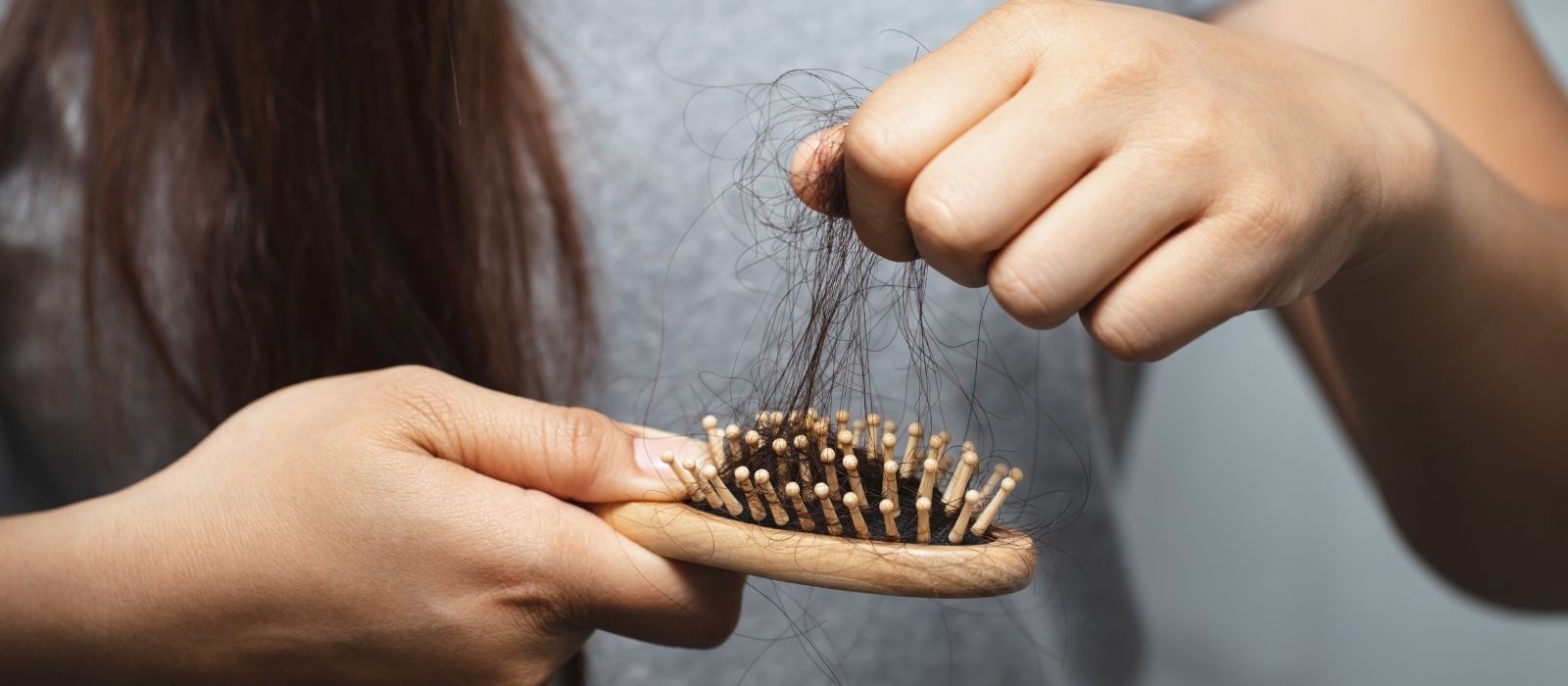
This is the number one reason people think their hair stopped growing. Your follicles are producing new hair at normal speed, but the ends are snapping off from damage. Heat styling, tight hairstyles, and chemical processing weaken the hair shaft until it can't handle daily manipulation.
Breakage happens at your weakest point, usually the ends, but sometimes at the crown where you part your hair daily. Protective styles that reduce manipulation can stop this cycle, but only if you're not pulling too tight. Braids that give you a headache aren't protecting anything.
Your Scalp Health Is Blocking Growth
Clogged follicles can't produce healthy hair. Product buildup, excess oil, and dead skin cells create an environment where hair struggles to emerge properly. Your scalp needs the same attention you give your face, regular cleansing and exfoliation.
Your scalp health determines everything about how well your hair grows. Inflammation from conditions like seborrheic dermatitis or even environmental irritants can slow down the entire growth process. A scalp that's constantly irritated redirects energy toward healing instead of producing strong hair.
Hormonal Changes Disrupted Your Growth Cycle
Pregnancy, menopause, PCOS, and thyroid issues all mess with your hair's natural growth cycle. During pregnancy, high estrogen keeps more hairs in the growth phase longer. After delivery, they all shed at once. Thyroid problems can make hair grow slower and feel thinner overall.
Hormonal hair loss in women often starts with changes to texture and growth speed before you notice actual thinning. If your hair suddenly feels different or grows slower than usual, get your thyroid and hormone levels checked.
Stress Pushed Your Hair Into Resting Phase
Physical or emotional stress can shock your hair follicles into the resting phase all at once. This is called telogen effluvium, and it means your hair literally stops growing for 2-3 months after the stressful event. Surgery, illness, major life changes, or even extreme dieting can trigger this response.
The hair you're missing now actually stopped growing months ago when the stress hit. Stress-related hair loss usually resolves on its own once your body recovers, but it takes patience.
You're Not Getting Essential Nutrients
Hair is made of protein, so extreme low-protein diets affect growth quickly. But iron deficiency is the bigger culprit for most women. Your body prioritizes iron for essential functions first, hair production comes last.
Iron deficiency causes hair loss that shows up as slower growth, increased shedding, and thinner strands. Get your ferritin levels checked, not just your hemoglobin. Ferritin below 40 ng/mL can affect hair growth even if you're not technically anemic.
Age Slowed Down Your Growth Cycle
Hair growth naturally slows with age as your growth phase gets shorter and your resting phase gets longer. What used to take three months to grow might now take four or five. The diameter of each strand also decreases, making your hair look and feel thinner overall.
This is normal aging, not a problem to solve. Focus on keeping the hair you have healthy rather than forcing faster growth that isn't realistic for your age.
Your Hair Reached Its Terminal Length
Every person has a genetically predetermined maximum length their hair can reach. This terminal length is determined by how long your growth phase lasts, typically 2-7 years. Once you reach that length, hairs naturally shed and the cycle starts over.
If your hair stops growing at shoulder length every single time, that might be your terminal length. You can't change genetics, but you can maximize the health of the hair you grow within those limits.
Frequently Asked Questions
How long does it take to see if hair growth treatments are working?
You need at least 3-4 months to see real changes in hair growth since that's how long it takes for new hair to emerge from the follicle and become visible. Most effective treatments show noticeable results around 6 months of consistent use.
Can hair that stopped growing start growing again?
Yes, if the cause is temporary like stress, nutritional deficiency, or hormonal changes. Hair that stopped growing due to permanent follicle damage from scarring or genetic factors won't resume normal growth, but most growth disruptions are reversible with proper treatment.
Does cutting hair make it grow faster?
No, cutting hair doesn't affect the growth rate from your scalp. Hair grows from the follicle, not the ends. Regular trims prevent split ends from traveling up the shaft and causing breakage, which helps you retain length, but it doesn't speed up actual growth.
This article is for informational purposes only. It is not a substitute for professional medical advice, diagnosis, or treatment. Always consult a qualified healthcare provider before making changes to your health routine.