Your skin microbiome affects acne, eczema, dark spots, and skin aging. Learn what it is, why balance matters, and how to support healthy bacteria for clearer skin.
Your skin is covered in bacteria, fungi and viruses, and most of them are meant to be there. When you break out, flare with eczema or find your products suddenly sting, the skin microbiome often gets the blame. Sometimes that's fair.
The skin microbiome is the community of microorganisms living on your skin's surface and in its hair follicles. Skin is a dry, acidic, nutrient-poor place, according to a 2018 review in Nature Reviews Microbiology, which keeps many germs out, yet a varied community still settles there. When that community shifts, it can play a part in problems from hormonal acne to eczema flares.
Here's the honest version of what the skin microbiome is and why it matters. Researchers have mapped who lives on skin in a lot of detail, but they're much less sure what a balanced microbiome looks like or how to fix one. Most consumer advice runs ahead of the evidence, so it helps to know which parts are solid.
What Lives on Your Skin and Why It's There
Where you look matters. A 2011 review by Grice and Segre describes oily areas as dominated by Cutibacterium (then called Propionibacterium), moist areas like the armpits by Staphylococcus and Corynebacterium, while dry areas hold the most variety.
Staphylococcus epidermidis is one of the commonest residents. Some strains make compounds that kill Staphylococcus aureus, the bacterium tied to eczema flares. In a 2017 study in Science Translational Medicine, protective strains of coagulase-negative staph, including S. epidermidis and S. hominis, were common on people without eczema and rare on people with it, and putting them back on the skin of five people with eczema reduced S. aureus.
Cutibacterium acnes lives in hair follicles and oil glands, on clear skin as well as spotty skin. Acne isn't simply a case of too much of it. A study comparing 49 people with acne and 52 without found similar amounts of C. acnes in both groups; what differed was which strains were there.
Malassezia is a yeast that feeds on skin oils. It's normal in small amounts and is linked to seborrheic dermatitis, the flaky, scaly patches around the hairline and eyebrows that often get worse with stress.
Your mix also depends on things beyond your skin. The same Grice review lists age, sex, climate, hygiene and occupation among the factors that shape it.
How Your Skin Microbiome Is Linked to Common Skin Problems
Acne involves oil, clogged pores, inflammation and C. acnes together, and the strain findings suggest the bacteria story is about which types are present rather than raw numbers. Body acne works differently in some ways too, so what clears your face won't always clear your back.
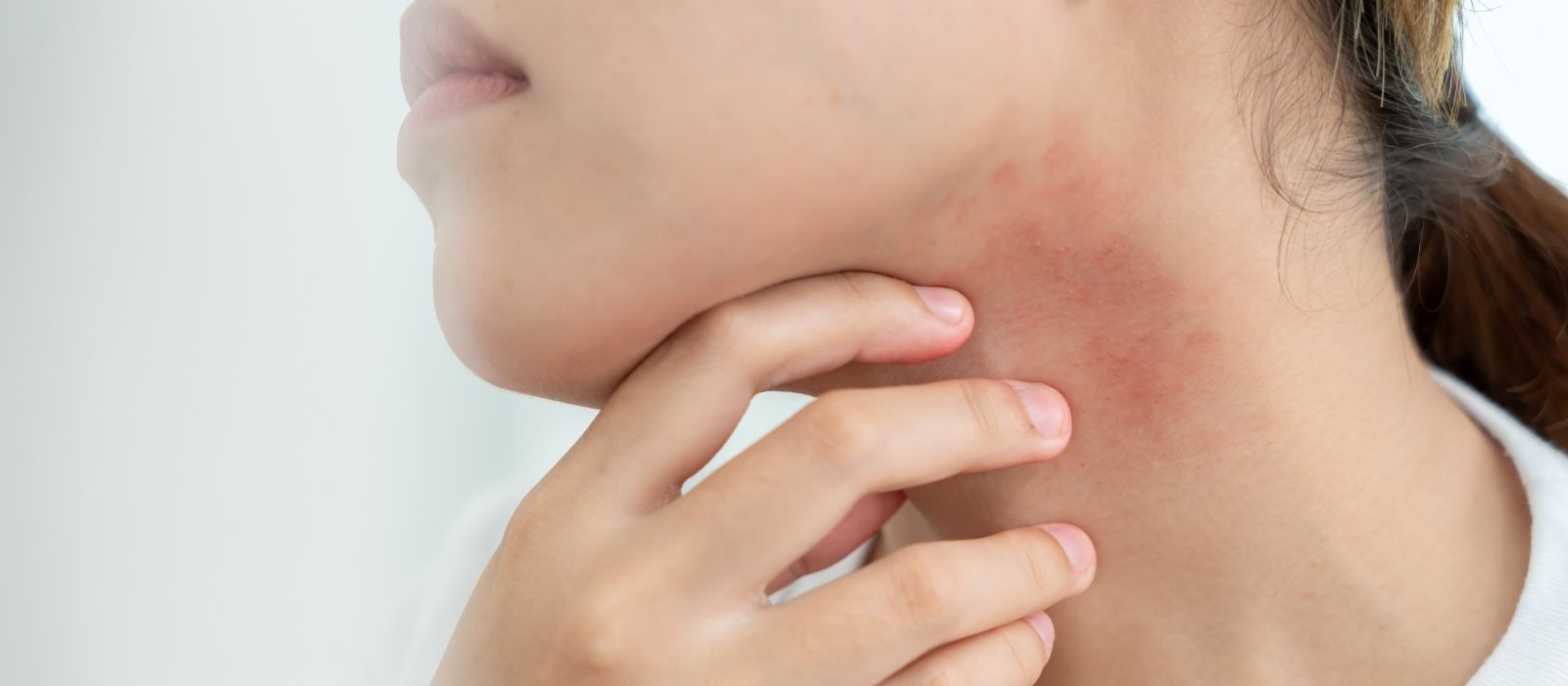
Eczema has the clearest link. In a 2012 study that followed children with eczema over time, the share of Staphylococcus, especially S. aureus, rose during flares and fell after treatment. More S. aureus went with more severe disease.
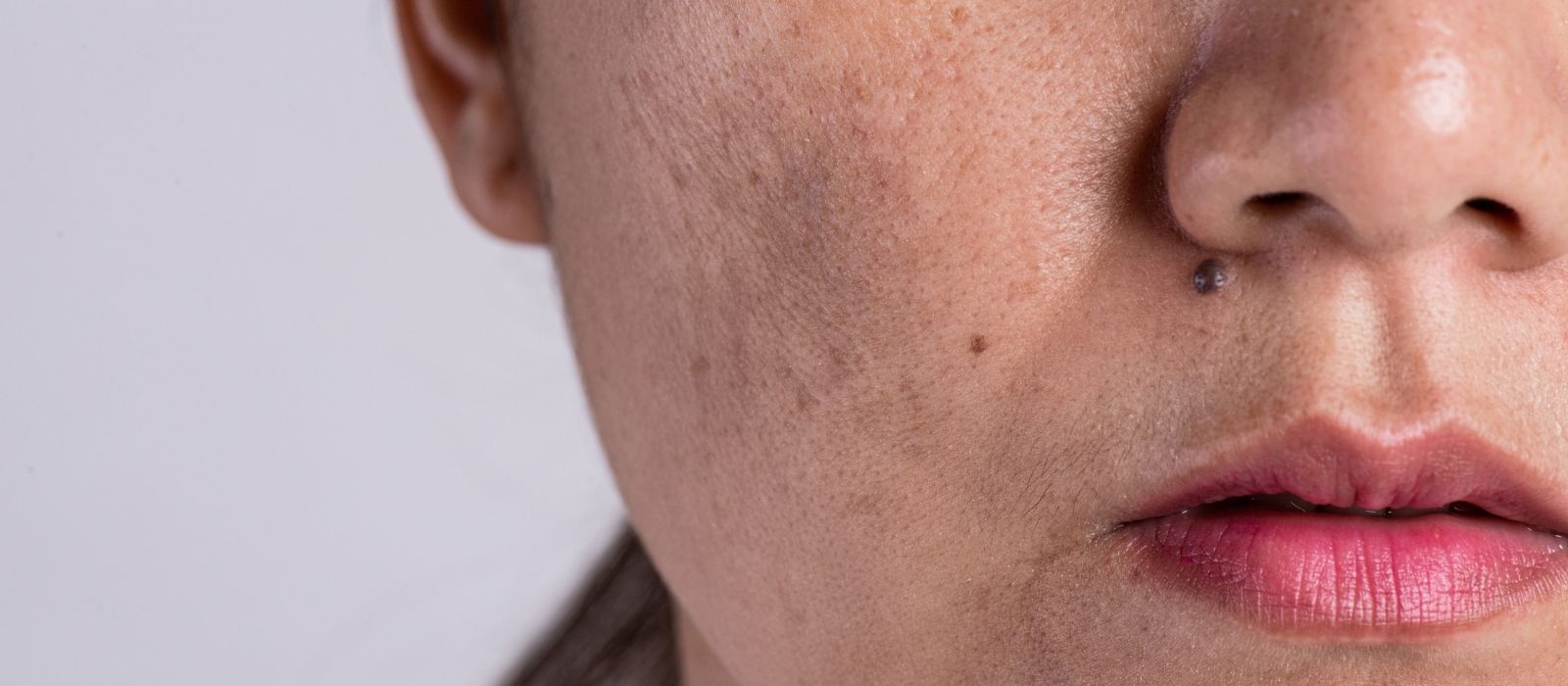
Dark marks are less directly tied to bacteria. Any inflammation, from a breakout or an eczema patch, can leave post-inflammatory hyperpigmentation, especially on darker skin. Your gut may play a part in skin inflammation too, though that research is still early.
As for aging, there's no good evidence yet that skin bacteria protect you from wrinkles. Sun exposure remains the factor with the strongest evidence behind it.
What Can Disrupt Your Skin Microbiome
Start with some reassurance: the skin microbiome of a healthy adult stays stable over time, even as the environment around it changes. That doesn't mean your routine has no effect.
Over-cleansing strips oil and leaves skin tight and irritated. That squeaky-clean feeling usually means you've taken off more than dirt.
Antibiotics, whether cream or tablet, affect more than the bacteria they're aimed at. They're still a standard acne treatment, so if you've been prescribed them, don't stop on your own. Dermatologists try to keep courses as short as they can.
Stacking strong actives, like high-strength acids on top of a retinoid, irritates the skin barrier the microbes live on. How much that changes the bacteria themselves hasn't been well studied.
Weather plays a part as well. Cold, dry air and indoor heating dry skin out.
How to Support a Healthy Skin Microbiome
Use a gentle cleanser that doesn't leave your skin tight. Healthy skin is slightly acidic, and mild cleansers disturb that less than harsh soaps.
Be realistic about prebiotics and probiotics in skincare. A 2024 review of 14 small trials of probiotic and postbiotic cosmetics, mostly in people without skin disease, found hydration the main measured benefit. Try them if you like them, but they're not a proven treatment for acne or eczema.
Stop over-exfoliating. Over-exfoliation irritates the barrier your microbes live on. For most people, an acid exfoliant a couple of times a week is plenty.
Choose fragrance-free products if your skin reacts easily. Natural ingredients aren't automatically gentler, and essential oils are a common source of irritation.
FAQ
How long does it take to restore your skin microbiome?
Nobody has measured this well, and there's no agreed test for when a skin microbiome is back to normal. Watch your skin instead: if stinging, tightness and new breakouts settle after you simplify your routine, things are recovering.
Can you test your skin microbiome at home?
Some companies sell swab kits, but there's no agreed normal result to compare yours against, so they can't tell you what to change. You'll learn more from noticing how your skin responds to your routine.
Do probiotics in skincare actually work?
The evidence is thin. Many products use inactivated bacteria, lysates or ferments rather than live cultures, and a 2024 review of 14 small trials, mostly in people without skin disease, found the clearest result was better hydration.
This article is for informational purposes only. It is not a substitute for professional medical advice, diagnosis, or treatment. Always consult a qualified healthcare provider before making changes to your health routine.