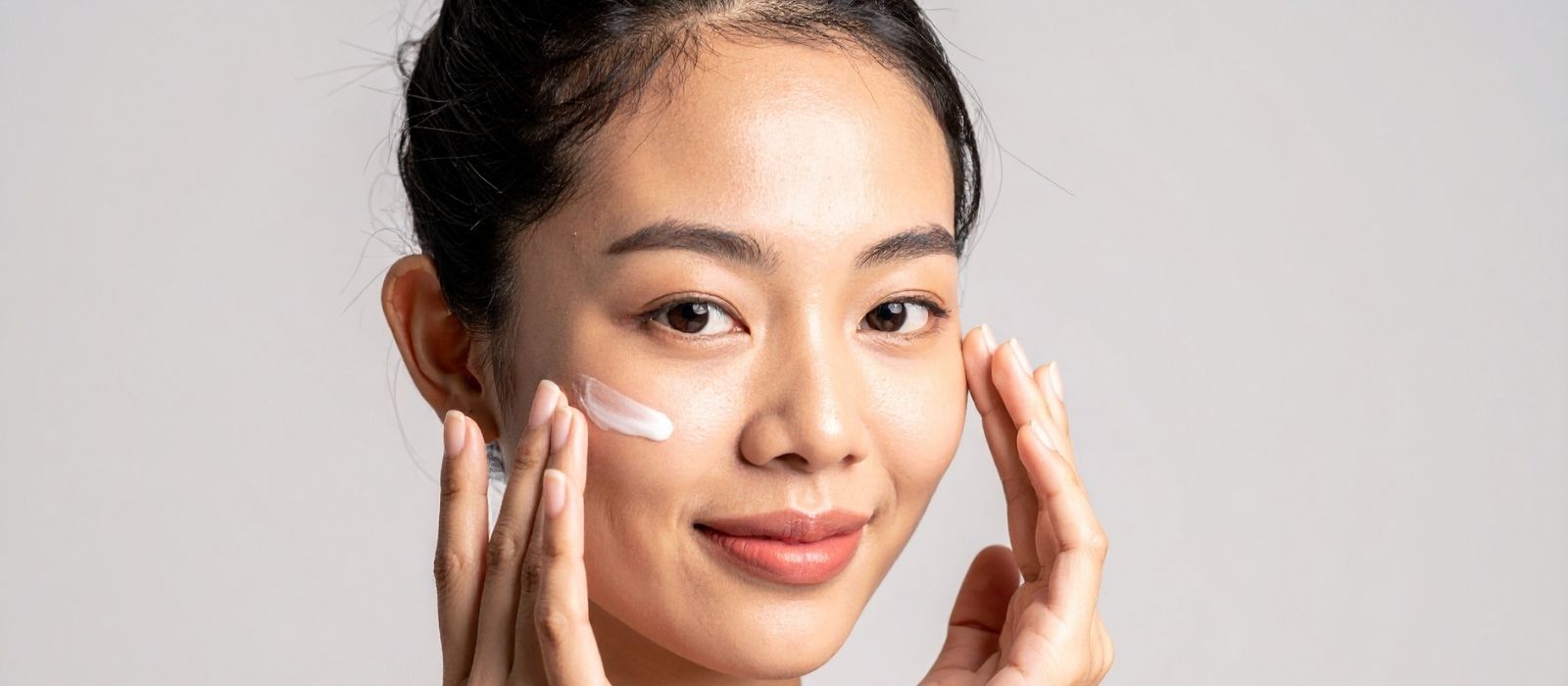
Cut through the hype. These natural skincare ingredients have solid research backing their benefits, from vitamin C to niacinamide to ceramides.
The skincare aisle promises miracles wrapped in leaves, flowers, and exotic fruit extracts. Half of it works. Half of it doesn't. The problem is telling which half is which when marketing teams treat marketing budgets like scientific studies.
Natural doesn't automatically mean effective, and synthetic doesn't automatically mean harmful. What matters is whether there's actual research showing an ingredient does what it claims to do. Some plant-based ingredients have decades of peer-reviewed studies backing their benefits. Others have Instagram posts and wishful thinking.
Here's what separates the ingredients that actually work from the ones that just sound good on a label. The natural skincare ingredients with real science behind them target specific skin concerns through measurable biological pathways, not vague promises about 'nourishing' or 'purifying.'
Vitamin C: The Antioxidant That Actually Brightens
L-ascorbic acid is the most researched form of vitamin C in skincare. It stimulates collagen production, fades hyperpigmentation, and neutralizes free radicals that break down skin structure. The Cleveland Clinic cites studies showing 5-15% concentrations reduce fine lines and dark spots within 6-12 weeks.
The catch is stability. L-ascorbic acid breaks down when exposed to light, air, or heat. Magnesium ascorbyl phosphate and sodium ascorbyl phosphate are more stable alternatives that convert to active vitamin C once absorbed. They work slower but don't degrade sitting on your bathroom counter.
Vitamin C works best on clean skin before moisturizer. Start with 10% concentration three times per week. If you're dealing with post-inflammatory hyperpigmentation or want to prevent sun damage, this ingredient has the research to back up those claims.
Niacinamide: The Multi-Tasker With Real Results
Niacinamide is vitamin B3, and it's one of the few ingredients that actually lives up to its 'does everything' reputation. A 2013 study in the International Journal of Dermatology found 5% niacinamide reduced oil production by 35% after 8 weeks. Another study showed it faded dark spots as effectively as 4% hydroquinone without the irritation.
It strengthens your skin barrier by increasing ceramide production. It reduces inflammation that leads to breakouts. It minimizes pore appearance by controlling sebum production. Understanding what niacinamide actually does helps explain why dermatologists recommend it for everything from acne to aging.
The beauty of niacinamide is tolerance. Most people can use 10% concentrations daily without irritation. It plays well with other actives, including retinol and vitamin C. You can use it morning and night, and it won't make your skin photosensitive.
Ceramides: The Barrier Repair Ingredients Your Skin Actually Needs
Ceramides make up 40% of your skin's outer layer. They're lipids that hold skin cells together and prevent water loss. When your barrier is damaged from over-exfoliation, environmental stress, or harsh products, you lose ceramides faster than you produce them.
Synthetic ceramides in skincare products are identical to what your skin makes naturally. A 2019 study in the Journal of Clinical Medicine showed topical ceramides reduced water loss and improved barrier function within two weeks. Ceramides work by filling gaps between skin cells, literally patching holes in your barrier.
Look for ceramide 1, 3, and 6-II on ingredient lists. These are the most studied forms. Ceramides work best in combination with cholesterol and fatty acids, which is why many effective barrier repair creams include all three.
Hyaluronic Acid: The Hydration Hero That's Actually Natural
Your skin naturally produces hyaluronic acid, but production drops by 1% per year after age 20. One gram can hold up to six liters of water, making it incredibly effective at plumping fine lines and maintaining hydration.
The molecular weight matters. High molecular weight hyaluronic acid sits on skin's surface and provides immediate plumping. Low molecular weight penetrates deeper for longer-lasting hydration. The best serums include multiple weights for both immediate and sustained results.
Apply hyaluronic acid to damp skin, then seal it with moisturizer. Without an occlusive layer on top, it can actually pull moisture from deeper skin layers and make dryness worse.
Retinyl Palmitate: The Gentler Vitamin A Alternative
Retinyl palmitate is the ester form of vitamin A. It's less potent than prescription retinoids but more stable and tolerable than retinol. Your skin converts it to retinoic acid gradually, which means fewer side effects but slower results.
It still stimulates collagen production and increases cell turnover, just more gently. For sensitive skin or beginners who want anti-aging benefits without irritation, retinyl palmitate provides a way to get vitamin A benefits. Using retinoids safely often means starting with gentler forms like this one.
The trade-off is time. Where retinol shows results in 6-8 weeks, retinyl palmitate takes 12-16 weeks. But if your skin can't handle stronger options, slower progress beats no progress.
Alpha Hydroxy Acids: The Exfoliants With Decades of Research
Glycolic and lactic acids have been studied longer than most skincare ingredients. They dissolve the bonds between dead skin cells, revealing smoother texture and brighter tone underneath. The FDA has evaluated their safety extensively, which is why they're approved for over-the-counter use up to certain concentrations.
Glycolic acid has the smallest molecular size, so it penetrates deepest. Lactic acid is gentler and also provides some hydration. Both fade dark spots and smooth fine lines by speeding up cell turnover.
Start with 5-8% concentrations once or twice per week. Always use sunscreen when using AHAs because they make skin more photosensitive. Over-exfoliating damages your barrier, so consistency matters more than concentration.
FAQ
Which natural skincare ingredients actually have scientific studies behind them?
Vitamin C (L-ascorbic acid), niacinamide, ceramides, hyaluronic acid, retinyl palmitate, and alpha hydroxy acids like glycolic and lactic acid have extensive peer-reviewed research showing their effectiveness for specific skin concerns.
What's the difference between natural and synthetic skincare ingredients for effectiveness?
Effectiveness depends on the ingredient's molecular structure and concentration, not its origin. Synthetic ceramides are identical to natural ones. Some natural ingredients like vitamin C are less stable than synthetic alternatives, while others work exactly the same regardless of source.
How long does it take to see results from science-backed natural skincare ingredients?
Niacinamide and hyaluronic acid show hydration benefits within days. Vitamin C fades dark spots in 6-12 weeks. Retinyl palmitate takes 12-16 weeks for anti-aging results. Alpha hydroxy acids improve texture in 2-4 weeks with consistent use.
This article is for informational purposes only. It is not a substitute for professional medical advice, diagnosis, or treatment. Always consult a qualified healthcare provider before making changes to your health routine.