Learn what causes hormonal acne on your chin and jawline, plus proven treatments that actually work. Get clear skin with targeted solutions for adult breakouts.
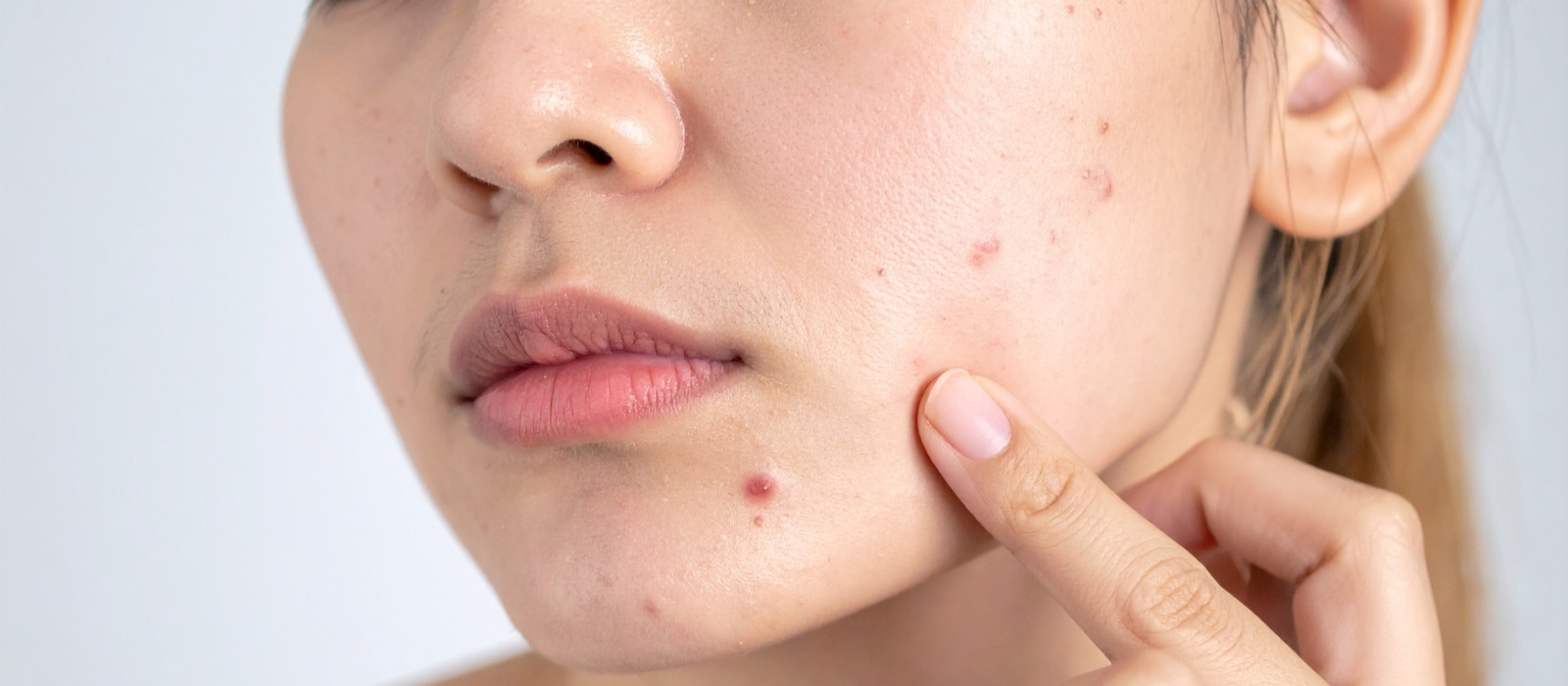
You wake up with a cluster of deep, painful bumps along your jawline. They're not whiteheads you can pop. They're not blackheads you can extract.
They're those angry, underground cysts that hurt when you talk, smile, or rest your chin on your hand. And they showed up right before your period, just like they do every month.
This is hormonal acne, and it follows patterns that regular teenage acne doesn't. It camps out on your lower face, chin, jaw, neck, and ignores your T-zone completely. It gets worse during certain times of your cycle, flares during stress, and laughs at the face wash that cleared your skin at 16.
The frustrating part? Most acne advice treats all breakouts the same. But hormonal acne works differently, responds to different treatments, and requires a completely different approach than the acne you might have dealt with in high school.
What Actually Causes Hormonal Acne
Hormonal acne happens when androgens, male hormones that women also produce, spike and trigger oil production in your sebaceous glands. These glands are concentrated around your chin and jawline, which is why hormonal breakouts camp out there instead of spreading across your entire face.
Your androgen levels fluctuate throughout your menstrual cycle. They peak right before ovulation and again before your period starts. That's why you might notice breakouts showing up like clockwork every 28 days, even if your skin was clear the week before.
But your cycle isn't the only trigger. Stress pumps out cortisol, which makes your body produce more androgens. PCOS causes chronically elevated androgen levels.
Birth control pills with androgenic progestins can trigger breakouts. Even insulin resistance pushes up androgen production, which is why diet changes can help clear hormonal acne.
The breakouts themselves form the same way all acne does, dead skin cells and oil clog your pores, bacteria multiply, inflammation follows. But the root cause is internal, not external. That's why scrubbing harder or using stronger topical treatments often backfires.
Why Hormonal Acne Is Different From Regular Acne
Hormonal acne shows up as deep, inflamed cysts instead of surface-level whiteheads and blackheads. These cysts form deep in your pore and take weeks to surface, if they ever do. They're painful because the inflammation is trapped under multiple layers of skin.
The location is the biggest tell. Regular acne spreads across your T-zone, forehead, nose, and inner cheeks. Hormonal acne sticks to your lower face and often extends down your neck. Some people get it on their back and shoulders too, but the jawline pattern is classic hormonal acne.
Timing matters too. If your breakouts show up predictably before your period, during stressful weeks, or after you started a new birth control, you're dealing with hormonal triggers. Regular acne doesn't follow your calendar.
Treatments That Actually Work for Hormonal Acne
Topical treatments can help, but they won't fix the root cause. Retinoids work well for hormonal acne because they prevent dead skin cells from clogging pores and reduce inflammation. Benzoyl peroxide kills acne bacteria. Salicylic acid helps unclog existing breakouts.
But the most effective treatments work from the inside. Spironolactone is a medication that blocks androgens from reaching your oil glands. It's specifically designed for hormonal acne in women and works better than topical treatments alone. You'll need a prescription from a dermatologist or doctor.
Birth control pills with anti-androgenic progestins can help too. Pills containing drospirenone or cyproterone acetate reduce androgen activity. Avoid pills with levonorgestrel or norgestrel, these have androgenic effects and can make hormonal acne worse.
Diet changes target insulin resistance, which drives up androgen production. Reducing refined carbs and dairy can help some people, though it's not a cure-all. Focus on foods that stabilize blood sugar instead of eliminating entire food groups.
Managing stress helps too because cortisol feeds the androgen cycle. Regular sleep, exercise, and stress reduction techniques can prevent stress-triggered flares.
What to Avoid When Treating Hormonal Acne
Don't over-treat your skin. Hormonal acne already involves inflammation, and harsh scrubs or too many active ingredients will make it worse. Stick to gentle cleansing and one or two targeted treatments.
Avoid picking or trying to extract cystic acne. These deep bumps don't have a surface opening, so you can't pop them. Picking creates scarring and pushes bacteria deeper, making the cyst worse.
Don't expect overnight results. Hormonal treatments take 3-6 months to show full effects because you're changing your body's hormone patterns, not just treating surface symptoms. Track your skin changes with your cycle to see if treatments are working.
FAQ
Why do I only get acne on my chin and jawline?
Your chin and jawline have the highest concentration of oil glands that respond to androgens. When hormone levels spike, these areas break out first and most severely.
Can hormonal acne go away on its own?
Hormonal acne tied to puberty often resolves in your 20s, but adult hormonal acne typically needs treatment. It may improve after menopause when hormone levels stabilize, but that's decades away for most people dealing with it.
How long does it take for hormonal acne treatments to work?
Topical treatments show results in 6-8 weeks. Hormonal treatments like spironolactone or birth control take 3-6 months because they're changing your body's hormone production patterns, not just treating existing breakouts.
This article is for informational purposes only. It is not a substitute for professional medical advice, diagnosis, or treatment. Always consult a qualified healthcare provider before making changes to your health routine.