Learn evidence-based methods to lower cortisol naturally. From breathwork to walking routines, discover what research actually supports for reducing chronic stress hormones.
You wake up tired, hit a wall at 3 PM, then lie in bed wired at night. It's easy to blame cortisol for all of it, and plenty of products are happy to let you.
Cortisol isn't the enemy. It's meant to be highest in the morning and much lower by late afternoon. Very high cortisol over months, as in Cushing's syndrome, causes real harm, but that's a medical condition diagnosed with tests.
What has evidence: slow breathing, time outdoors, regular walking and protecting your sleep. The studies are mostly small and measure short-term changes in saliva cortisol, not long-term health.
How to Lower Cortisol Naturally With Your Breathing
Slow breathing with long exhales is thought to shift your nervous system toward its calmer, rest-and-digest side. In a 2017 trial of 40 office workers, 20 coached sessions of slow belly breathing over eight weeks, at about four breaths a minute, lowered saliva cortisol, while the control group's didn't change.
Box breathing and 4-7-8 breathing are the popular versions. Box breathing is 4 counts in, hold 4, out 4, hold 4, and 4-7-8 is in for 4, hold for 7, out for 8. Neither has good trials on cortisol specifically.
You need consistency, not perfection. A daily breathwork practice of five minutes most mornings beats an occasional long session.
Why Walking Is Easier on Cortisol Than High-Intensity Exercise
Hard exercise raises cortisol for a while afterwards. That's normal. But if you're already exhausted and sleeping badly, piling on intense sessions can leave you feeling worse, and gentler movement is easier to keep up.
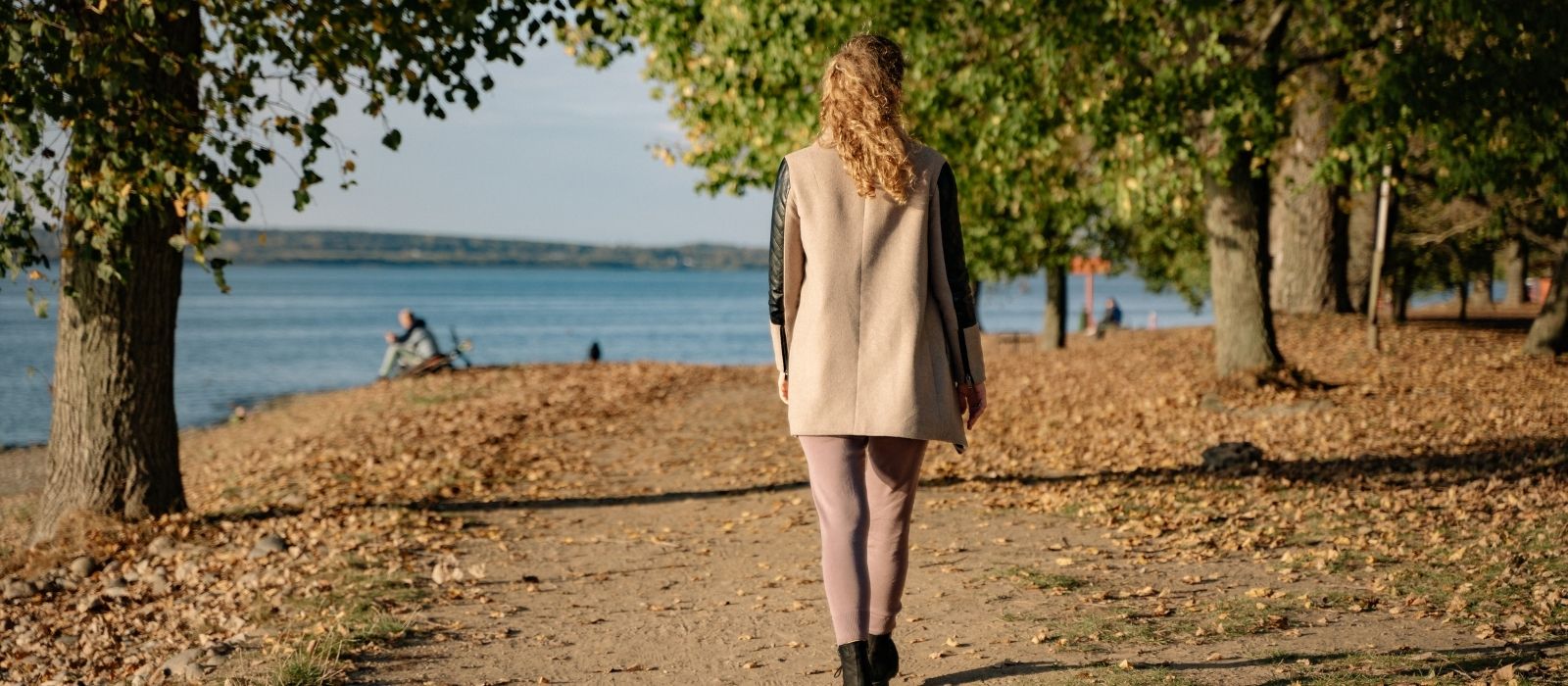
A walk can change your stress response. In a 2019 University of Michigan study of 36 city dwellers, 20 to 30 minutes in nature, sitting or walking, lowered saliva cortisol beyond its normal daily fall. A pace where you can still talk is enough.
Where you walk may matter. In a Japanese study of 280 young men across 24 forests, saliva cortisol was lower after a forest walk than after a city walk. Everyone in it was a male student, so it's a hint rather than proof for you, but if you have the choice, choose green space over a busy road.
Sleep Timing That Actually Affects Cortisol
Cortisol runs on a daily rhythm, peaking in the morning and dropping to its lowest around bedtime. Late nights and broken sleep disrupt that pattern.
An earlier dinner may help you sleep, but there's no good evidence it changes your morning cortisol.
Light is a better-supported rhythm cue. Daylight soon after you wake helps set your body clock, and dimmer evenings make it easier to fall asleep.
What Doesn't Work Despite the Hype
Ashwagandha has more human data than most supplements. The NIH fact sheet describes small, short trials using different extracts and doses, several showing lower stress scores and a few lower cortisol. It also notes rare liver injury and thyroid effects, so check with your doctor first, especially if you're pregnant or take thyroid medication.
Meditation apps can help you build a habit, but listening in the background hasn't been shown to lower cortisol. The breathing study above used active, coached practice.
Quitting caffeine overnight mostly buys you headaches. Caffeine does raise cortisol, but a 2005 trial of 96 adults found the response shrinks, without disappearing, in people who take it daily. The idea that withdrawal spikes cortisol for weeks has no research behind it, so if you want to cut back, taper gradually.
"Adrenal fatigue" supplements don't belong in your cupboard. The Endocrine Society says adrenal fatigue isn't a real medical condition and no test can detect it, and warns that taking adrenal hormone supplements you don't need can cause your own adrenal glands to stop working.
If you have unexplained weight gain around your middle, a rounder face, easy bruising or new purple stretch marks, see your doctor. Those can signal a cortisol disorder that needs testing, not breathwork.
Frequently Asked Questions
How long does it take to lower cortisol naturally?
There's no reliable timeline. In one study, 20 to 30 minutes in a natural setting lowered saliva cortisol within that session, while the breathing trial ran for eight weeks. Judge progress by how you sleep and feel rather than by a cortisol test.
Can you lower cortisol without changing your diet?
Yes. The breathing and nature studies didn't involve any diet changes. Food matters for energy and sleep, but no diet has been shown to reliably lower cortisol.
What time of day should you do cortisol-lowering activities?
Whenever you'll do them consistently. Morning daylight helps set your body clock, a walk fits any time of day, and slow breathing before bed can help you wind down. If hard evening workouts leave you too alert to sleep, move them earlier.
This article is for informational purposes only. It is not a substitute for professional medical advice, diagnosis, or treatment. Always consult a qualified healthcare provider before making changes to your health routine.