Cortisol face isn't just a TikTok trend. Learn what elevated cortisol actually does to your face, how to tell if it's real, and evidence-based ways to address it.
Your face looks puffier than usual. Your jawline isn't as defined. People keep asking if you're tired, even after a full night's sleep. You Google your symptoms and land on 'cortisol face' — a term that's exploded across social media, with people attributing everything from bloating to breakouts to elevated stress hormones.
But cortisol face isn't just a wellness trend. It's a real physical response to chronically elevated cortisol levels, though it shows up differently than most people think. The puffiness you see isn't water retention from last night's takeout. It's your body redistributing fat and fluid in response to sustained hormonal stress.
Here's what's actually happening: when cortisol stays elevated for weeks or months, it changes how your body stores fat and retains fluid. Your face develops what doctors call 'moon face' — rounded cheeks, a fuller appearance around the temples, and loss of definition along the jawline. This isn't the same as regular bloating that comes and goes. It's structural change that builds gradually.
What Cortisol Actually Does to Your Face
Cortisol is your primary stress hormone, released by your adrenal glands when your brain perceives threat. Short bursts are normal and helpful. But chronic elevation — from ongoing stress, poor sleep, restrictive eating, or medical conditions — triggers a cascade of physical changes.
The facial changes happen through fat redistribution. Elevated cortisol encourages your body to store fat in your face, neck, and upper back while breaking down muscle and fat elsewhere. This creates the characteristic rounded appearance. At the same time, cortisol increases sodium retention, adding fluid buildup that enhances the puffy look.
Real cortisol face develops over months, not days. You'll notice your face looks fuller in photos taken weeks apart. The change is gradual enough that you might not catch it daily, but obvious when you compare pictures from different time periods.
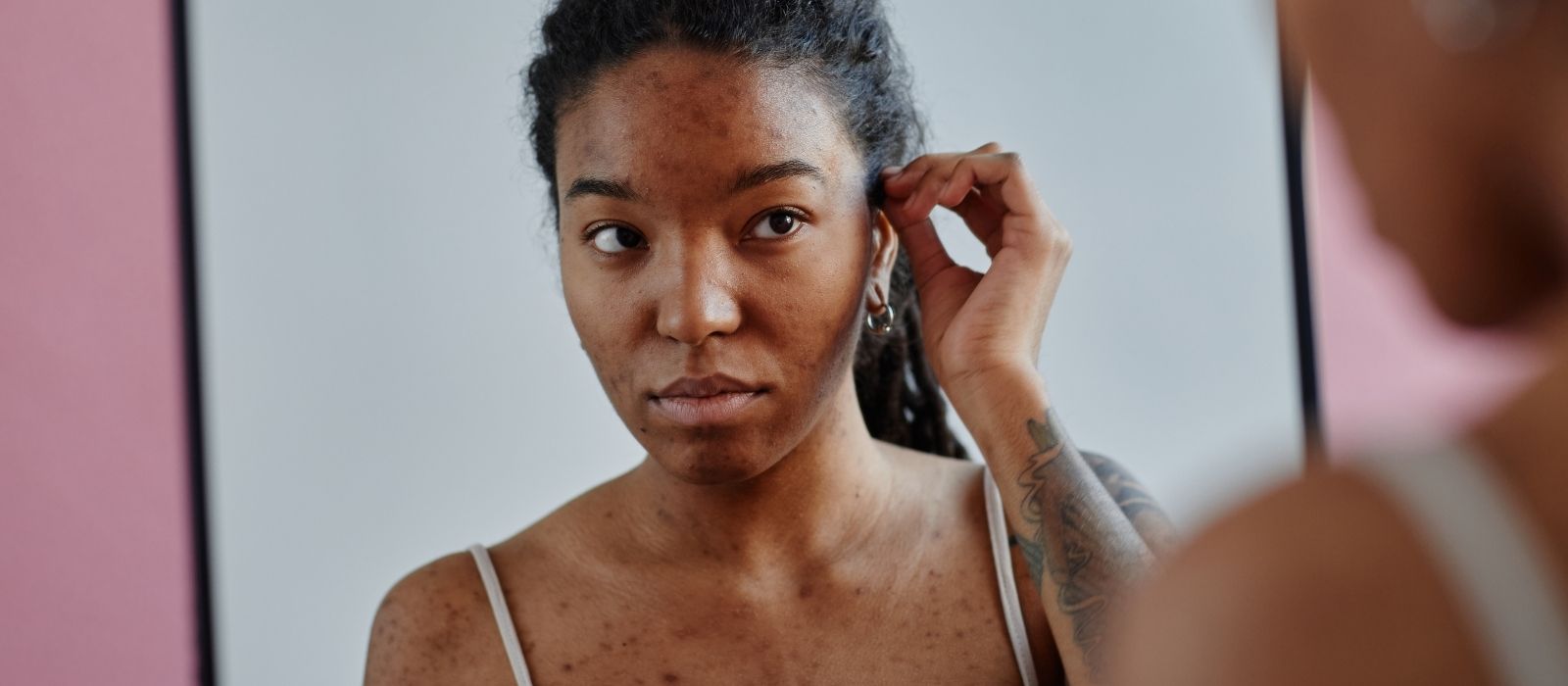
There's also increased oil production and slower wound healing, which can mean more breakouts and longer recovery times. Some people develop a flushed appearance or darkening around the neck and underarms, called acanthosis nigricans.
How to Tell If It's Really Elevated Cortisol
Not every puffy face means high cortisol. Allergies, dehydration, too much sodium, hormonal fluctuations, and sleep deprivation all cause facial swelling. The difference is pattern and persistence.
Cortisol-related changes don't fluctuate much day to day. They're consistent and progressive. You'll also typically see other symptoms: disrupted sleep, increased appetite (especially for sweet or salty foods), mood changes, and difficulty losing weight despite diet changes.
If you suspect elevated cortisol, testing matters more than guessing. Your doctor can order a 24-hour urine cortisol test, multiple salivary cortisol measurements, or a dexamethasone suppression test. Blood cortisol tests are less reliable because cortisol fluctuates throughout the day.
Medical conditions like Cushing's syndrome, polycystic ovary syndrome, or thyroid disorders can cause similar facial changes. That's why professional evaluation beats self-diagnosis from social media symptoms.
Evidence-Based Ways to Address Cortisol Face
If testing confirms elevated cortisol, the approach depends on the cause. Medical conditions require specific treatment. But for stress-related cortisol elevation, lifestyle changes can make a measurable difference.
Sleep comes first. Poor sleep directly raises cortisol levels. Adults need 7-9 hours consistently, with regular sleep and wake times. Even one week of improved sleep can start lowering cortisol.
Regular walking reduces cortisol more effectively than intense exercise, which can actually increase stress hormones short-term. A 20-30 minute walk daily, especially outdoors, consistently lowers cortisol in research studies.
Nutrition plays a role too. Extreme calorie restriction raises cortisol. So does skipping meals or following very low-carb diets long-term. Adequate protein, regular meal timing, and enough calories to support your activity level help maintain stable cortisol patterns.
Breathwork techniques can lower cortisol acutely and improve your stress response over time. Deep breathing, box breathing, or 4-7-8 breathing practiced daily shows measurable effects on cortisol levels within two weeks.
What to Expect During Recovery
Cortisol face reverses slowly. Just as the changes developed over months, improvement takes months too. Most people start seeing subtle changes around 6-8 weeks of consistent cortisol-lowering habits.
The facial fullness reduces gradually. Your jawline becomes more defined. The overall rounded appearance softens. But this happens in the same slow progression as the original changes — it's not dramatic week to week.
Some people see improvements in skin texture and breakouts within the first month, since these respond faster to hormonal changes than fat redistribution does.
Frequently Asked Questions
Can you get cortisol face from short term stress?
No. Cortisol face develops from chronically elevated cortisol over months or years. Short-term stress might cause temporary facial puffiness, but not the structural changes associated with true cortisol face.
Does cortisol face only happen with medical conditions?
No. While medical conditions like Cushing's syndrome cause severe cortisol face, chronic lifestyle stress, poor sleep, restrictive eating, and overtraining can also elevate cortisol enough to cause facial changes.
How long does it take for cortisol face to go away?
Recovery typically takes 3-6 months of consistently lower cortisol levels. The timeline depends on how elevated your cortisol was and how long it stayed high. Medical conditions may require longer recovery periods.
This article is for informational purposes only. It is not a substitute for professional medical advice, diagnosis, or treatment. Always consult a qualified healthcare provider before making changes to your health routine.