High porosity hair soaks up moisture fast but loses it faster. Learn how to seal the cuticles, choose the right products, and prevent frizz and dryness with this complete care guide.
You put on a leave-in and your hair soaks it up in seconds. By lunchtime it feels dry again. That pattern usually means high porosity hair: the cuticle has been worn or lifted enough that water gets in quickly and leaves just as quickly.
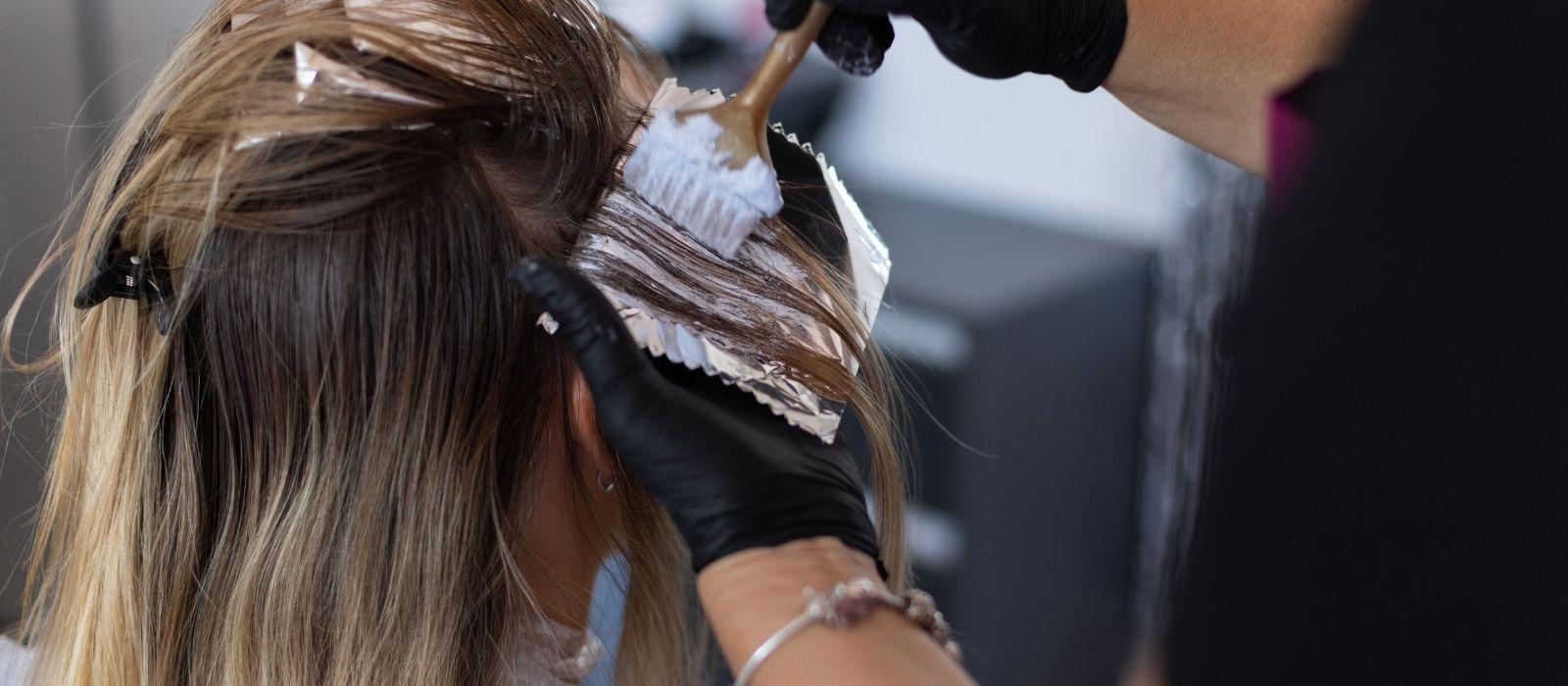
High porosity is mostly damage. Bleach, color, relaxers, hot tools, sun and rough handling all wear down the cuticle, and a 2015 review of hair cosmetics notes that alkaline products open the cuticle scales and that damaged hair is intensely porous. You'll see it most on the ends of long or processed hair.
You can't reseal a damaged cuticle for good. What you can do is coat it, cut down friction and stop adding new damage, which is a different job from piling on more moisture.
What's Going On Inside the Strand
Healthy cuticle cells lie flat like overlapping roof shingles. In porous hair they're lifted, chipped or partly gone, so water and product pass through the surface easily in both directions.
The damage adds up. Each bleach session, relaxer touch-up or high-heat blow-dry takes a little more of the cuticle, and hair can't grow it back. Only new hair from the root starts fresh.
You can feel the difference. Porous lengths tangle more because the rough surface catches on itself, they dry fast, and they look duller because a rough surface reflects light unevenly.
The Right Products for High Porosity Hair
Richer conditioners, creams and butters usually work better than light sprays because they leave more of a coating behind. Among oils, coconut oil has the best lab evidence: in a 2003 study on hair samples, it was the only oil tested that reduced protein loss from damaged and undamaged hair, while mineral and sunflower oil didn't. Shea butter and castor oil mostly coat the surface, which still cuts friction.
Silicones deserve a second look. A 2025 review on silicones in hair care describes them forming a film that reduces friction and moisture loss, with a possible role in reducing breakage in bleached or dyed hair. The catch is buildup from water-insoluble types like dimethicone, which needs an occasional clarifying wash.
Protein helps in moderation. Hydrolyzed proteins can help protect damaged hair, and a 2025 review of textured hair care in Cutis suggests considering protein treatments about monthly, depending on how your hair is doing. The authors note the evidence for this is limited.
Go easy on harsh cleansing. Sulfate shampoos are strong cleansers, and the 2015 review notes they can leave hair with more frizz and friction, although it also says no published studies have tested how well sulfate-free products perform. A gentle shampoo on the scalp, conditioner every time and an occasional co-wash is a reasonable mix. Your scalp health still needs proper cleansing, so don't skip shampoo for weeks to protect your ends.
Leave-ins and oils do the daily work. Put them on damp hair, then add a cream or butter on top if your hair still dries out. You're building a coating that slows water loss, not trying to use as many products as possible.
A Daily Routine for Porous Hair
Rinse temperature matters less than you might think. A cool final rinse is fine if you like it, but it won't reseal damaged cuticle.
Drying and detangling are where a lot of breakage happens. The American Academy of Dermatology advises wrapping wet hair in a towel or T-shirt instead of rubbing, detangling with a wide-tooth comb, and using low or medium heat with a heat protectant when you blow-dry.
Protective styling helps because porous hair breaks easily. Loose braids, low buns and a satin or silk scarf at night cut down on rubbing. Keep them loose, since styles that pull tightly can cause permanent hair loss over time.
Deep condition every week or two. The Cutis review lists weekly or biweekly deep conditioning for moisture retention, again on limited evidence.
Preventing Further Damage
Heat is the easiest damage to cut. If you use hot tools, always use a heat protectant, keep the setting low to medium, and give your hair days off. Air-drying and hair oiling methods are gentler ways to manage texture.
Relaxers, color and perms all raise porosity. If you keep using them, space appointments further apart and condition well in between.
Sun damages hair as well as skin, so a hat helps on long days outside.
FAQ
How do I know if my hair is high porosity
The float test isn't a reliable guide. Go by behavior and history instead: hair that gets wet and dries fast, tangles easily and has been bleached, colored, relaxed or heat-styled a lot is almost certainly more porous, especially at the ends.
Can high porosity hair be repaired
Not permanently, because hair can't regrow its cuticle. Conditioners, oils and silicones can coat it so it looks and feels better, and cutting back on damage keeps new growth healthier. Trims remove the most damaged ends.
Why does my high porosity hair still feel dry after conditioning
Porous hair loses water about as fast as it takes it in. Put a leave-in on while your hair is still damp, then a cream, butter or oil on top to slow water loss. Conditioner alone often isn't enough.
This article is for informational purposes only. It is not a substitute for professional medical advice, diagnosis, or treatment. Always consult a qualified healthcare provider before making changes to your health routine.