If moisture disappears from your hair within hours, it's a retention problem, not an absorption one. Here's what's happening and how to actually fix it.
You wash your hair, apply leave-in conditioner, use a curl cream, and by afternoon your hair feels dry again. It's not that your products aren't working, your hair is drinking them up so fast it can't hold onto anything.
This isn't about finding more moisturizing products. Your hair won't retain moisture because it's absorbing everything you put on it and then losing it just as quickly. You're dealing with high porosity hair that needs sealing, not more hydration.
High porosity hair has gaps in the cuticle layer that act like open doors. Moisture rushes in easily but escapes just as fast. Think of it like filling a bucket with holes, no matter how much water you pour in, it drains out the bottom. Your hair shaft is that leaky bucket.
What High Porosity Hair Actually Looks Like
High porosity hair absorbs water immediately when you wet it. Drop test confirms this, take a clean strand and drop it in a glass of water. If it sinks quickly, your cuticles are raised and porous. Normal porosity hair floats for a while before slowly sinking.
Your hair also dries fast after washing, sometimes within an hour. Products seem to disappear. You can apply leave-in conditioner and feel like you need more an hour later. Heat damage, chemical processing, and mechanical damage from brushing wet hair all create this porosity.
The cuticle damage isn't reversible, but you can manage it with the right approach. Brittle, dry hair that won't improve often points to this same porosity issue combined with protein imbalance.
Why Sealing Matters More Than Moisturizing
Moisturizing products add water to your hair shaft. Sealing products create a barrier that prevents that water from escaping. High porosity hair needs both, but sealing is the step most people skip.
The LOC method, leave-in, oil, cream, works by layering products from lightest to heaviest. The oil acts as a sealant over the leave-in conditioner. Some people flip it to LCO (leave-in, cream, oil) depending on their hair texture and density.
Heavier oils like castor oil, olive oil, and shea butter create better barriers than lighter oils like argan or jojoba. Your curl pattern determines which works best. Looser curl patterns can handle lighter sealants, while tighter coils often need heavier barriers.
The Protein Balance Problem
High porosity hair often lacks protein structure, which makes moisture retention even harder. Damaged cuticles can't hold moisture if the underlying protein structure is compromised. But too much protein makes hair stiff and brittle.
Protein treatments like rice water, gelatin masks, or commercial protein conditioners can temporarily fill gaps in damaged hair. Use them once every 2-3 weeks, not weekly. Hair breaking during the natural transition often signals this protein-moisture imbalance.
Watch how your hair responds. If it feels stronger and more elastic after protein, continue. If it becomes stiff or snaps easily, you've overdone it and need more moisture-focused treatments.
Building a Retention Routine
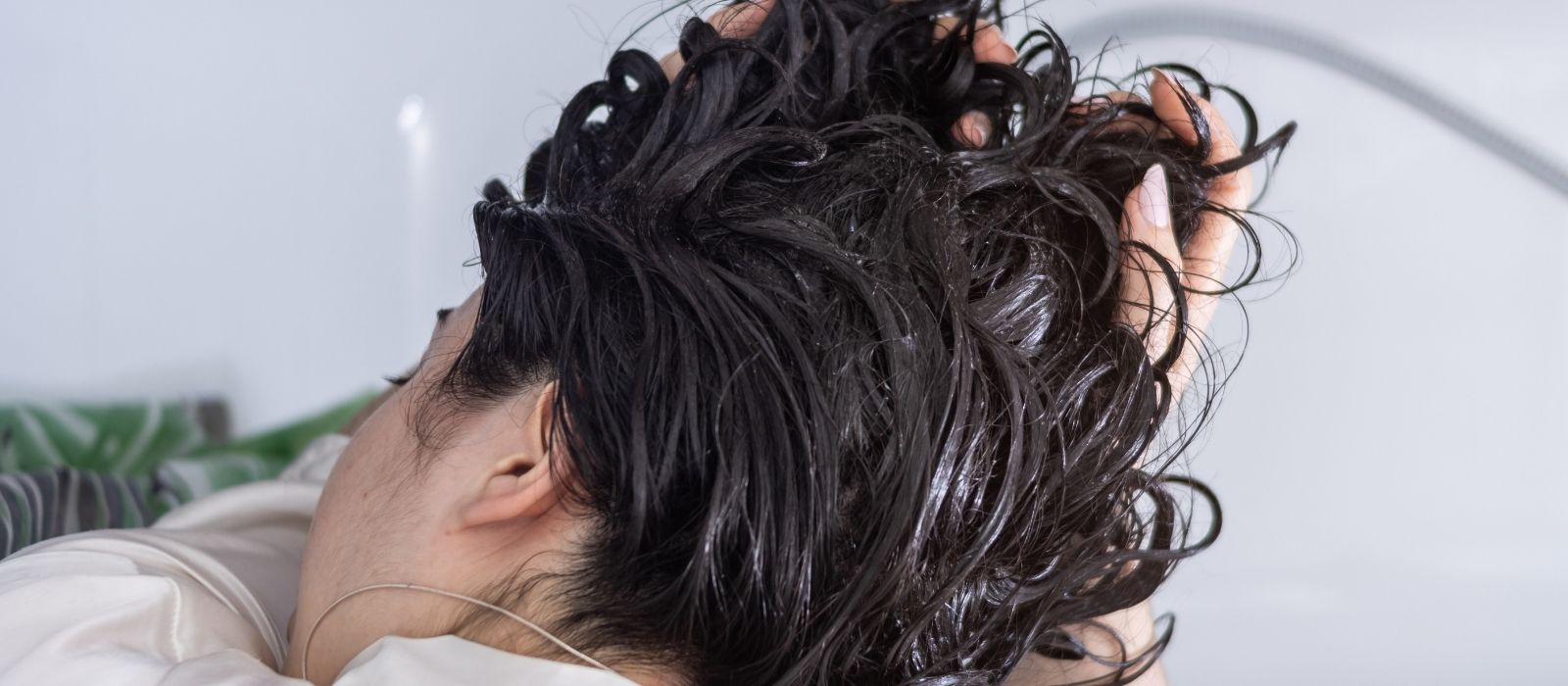
Start with wet hair application. Apply leave-in conditioner to soaking wet hair, not damp hair. High porosity hair absorbs better when fully saturated. Section your hair and apply products in small amounts to each section.
Layer your sealant while hair is still wet. Oil on dry hair sits on top without penetrating. Oil on wet hair mixes with the water and creates a better barrier. This is why the LOC method specifies order, you're creating layers that work together.
Sleep protection matters more for high porosity hair. Cotton pillowcases pull moisture from your hair overnight. Use silk or satin pillowcases, or wrap your hair in a silk scarf. Hair that seems to reject products might just need better nighttime protection to see results.
When Sealants Create Problems
Heavy oils can cause buildup if your hair is fine or low-density. You'll notice your hair feels coated, looks dull, or starts repelling water during washing. Switch to lighter sealants like grapeseed oil or reduce application frequency.
Clarifying shampoo removes buildup, but don't use it more than once monthly on high porosity hair. It strips the oils you're trying to maintain for moisture retention.
FAQ
Why does my hair feel dry again hours after moisturizing?
High porosity hair absorbs moisture quickly but loses it just as fast through damaged cuticles. You need sealants like oils or butters applied over your moisturizer to create a barrier that prevents water loss.
How often should I do protein treatments for high porosity hair?
Every 2-3 weeks maximum. High porosity hair often needs protein to fill gaps in damaged cuticles, but too much protein makes hair brittle. Watch how your hair responds and adjust frequency based on whether it feels stronger or stiffer after treatment.
What's the difference between LOC and LCO method for moisture retention?
LOC applies leave-in, then oil, then cream. LCO applies leave-in, then cream, then oil. LCO works better for fine or low-porosity hair that gets weighed down easily. LOC works better for coarse or high-porosity hair that needs heavier sealing.
This article is for informational purposes only. It is not a substitute for professional medical advice, diagnosis, or treatment. Always consult a qualified healthcare provider before making changes to your health routine.