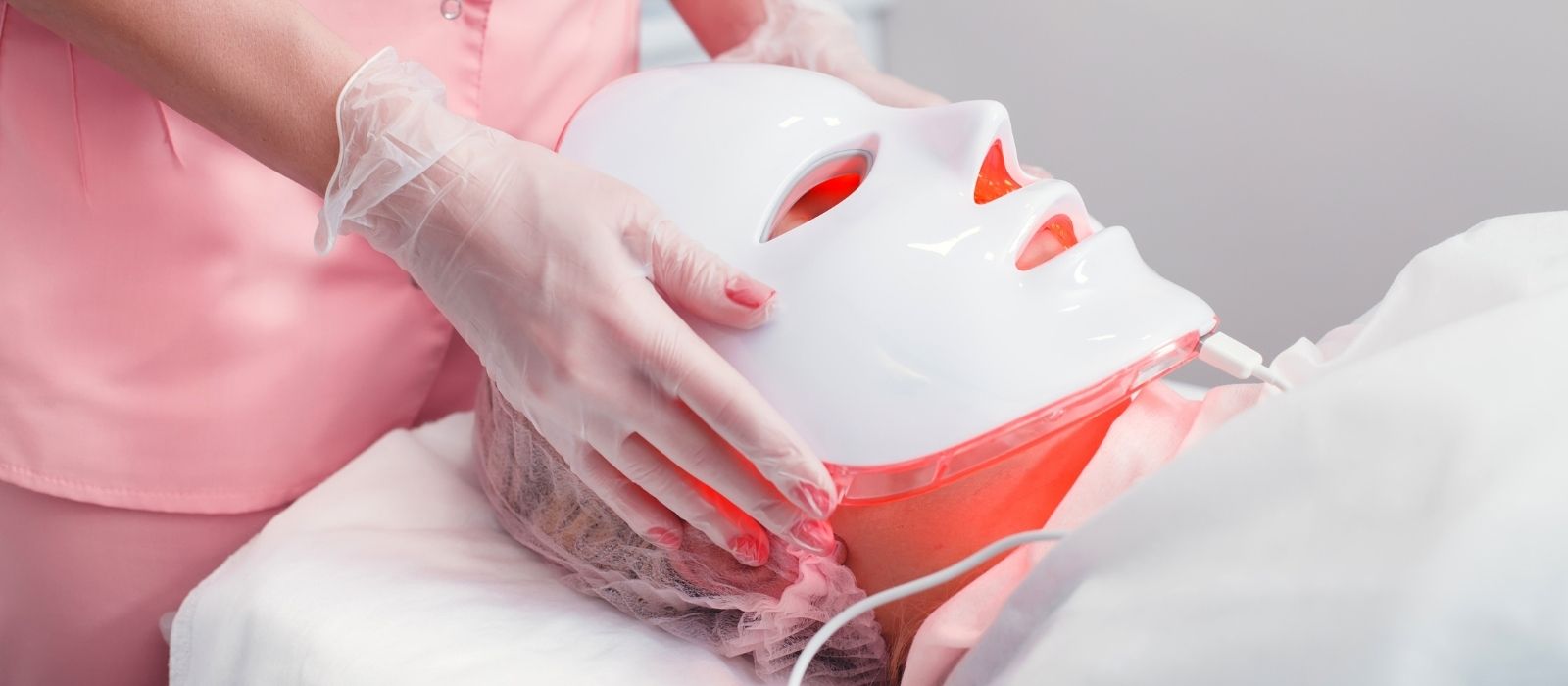
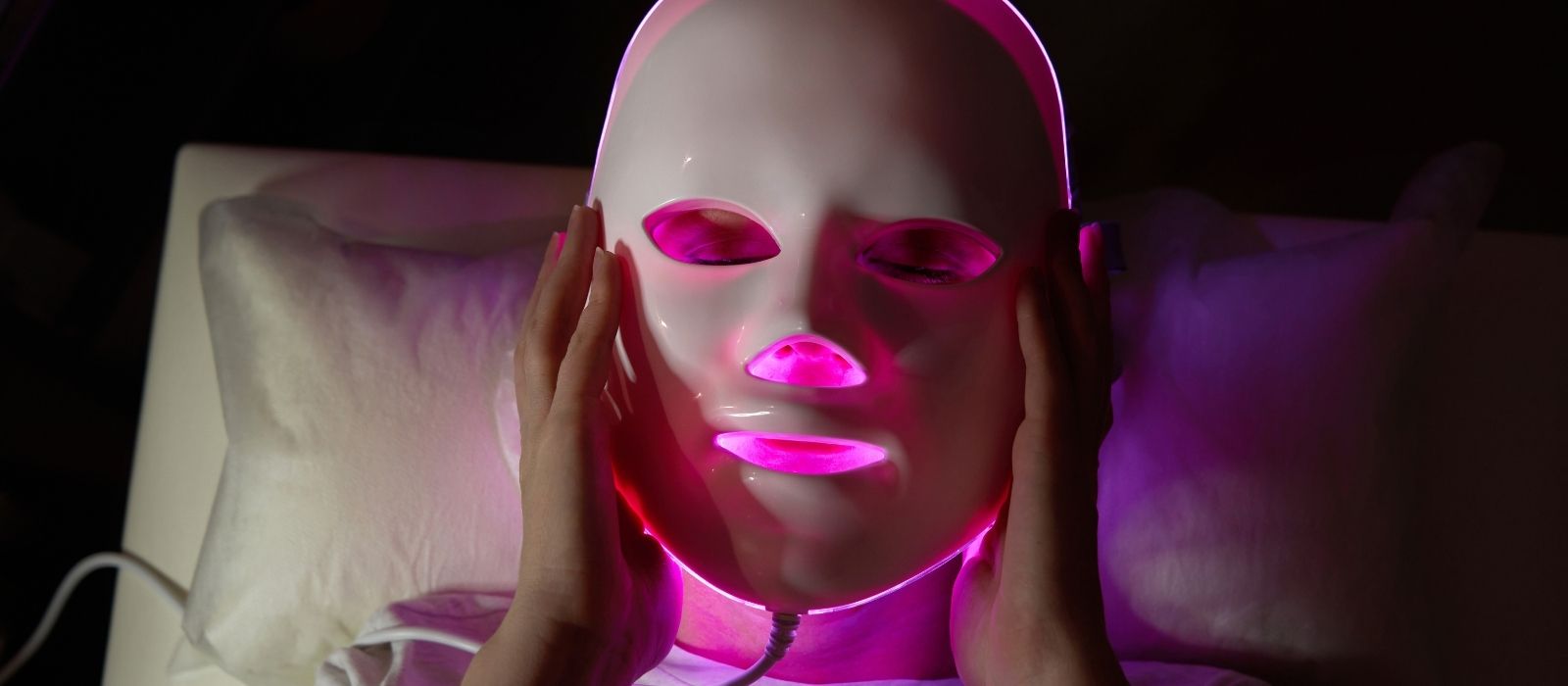
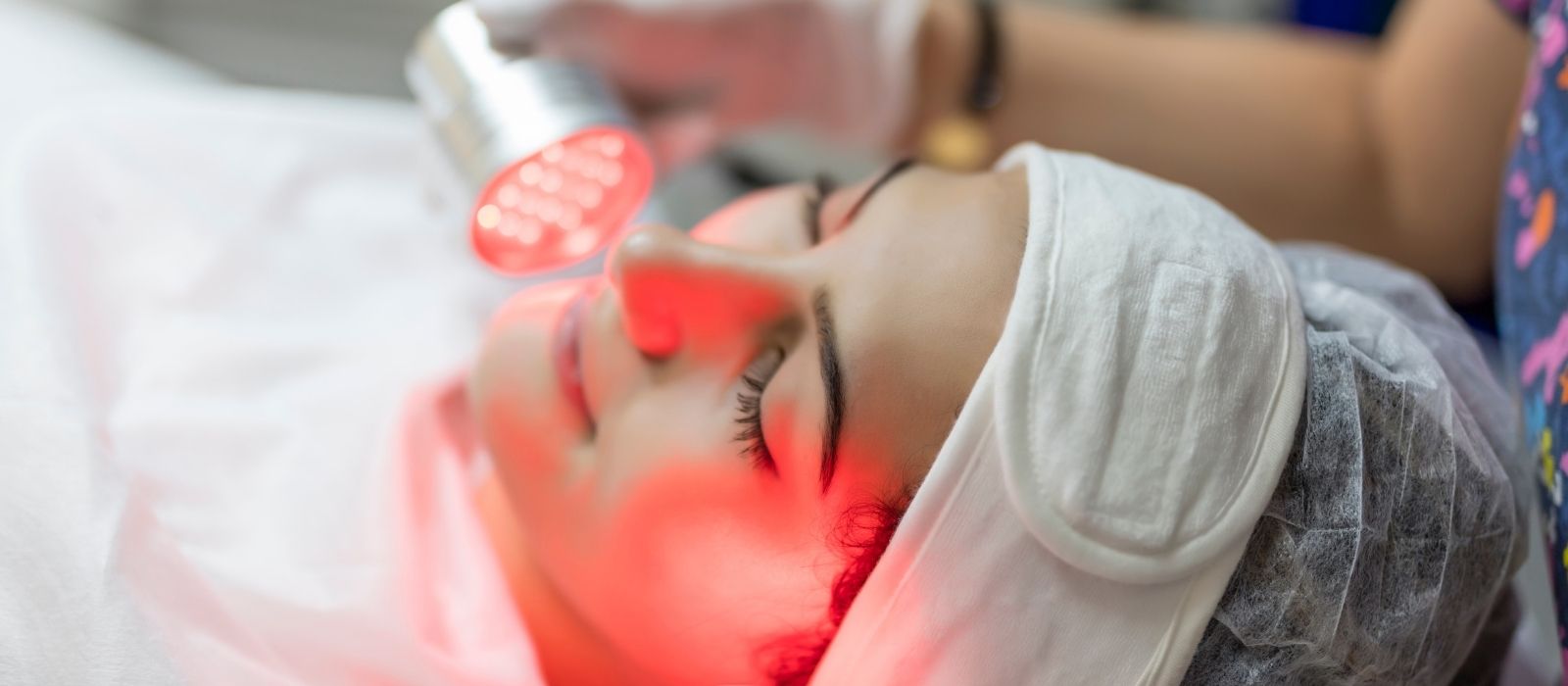
Red light therapy promises to boost collagen, fade dark spots, and smooth wrinkles. But does it actually work? Here's what the research shows about red light therapy for skin.
Red light devices are everywhere, from $30 handheld gadgets to full-body panels that cost thousands. They promise more collagen, faded dark spots and smoother wrinkles from nothing but light.
Some of that holds up, and a lot of it runs ahead of the evidence. Controlled trials show modest gains in skin texture. The acne research is weaker than the marketing suggests, and nobody has shown that a $30 gadget does what a clinic device does.
The idea, called photobiomodulation, is that red and near-infrared light gets absorbed by the mitochondria in your cells and nudges them to make more energy and calm inflammation. That happens in the lab. The real question is whether it turns into changes you can see.
What the Research Actually Shows
For anti-aging, the most cited trial enrolled 136 volunteers and gave 113 of them red or broadband light twice a week for 30 sessions, while the other 23 went untreated as controls. Treated skin felt smoother, looked better in blinded photo ratings and showed higher collagen density on ultrasound. The broader spectrum did no better than red light alone.
Beyond that, the evidence gets patchier. A review of 31 randomized LED trials found many were small, unblinded or had no sham control, with settings that varied widely. The American Academy of Dermatology describes results on the face as subtle to noticeable and says more research is needed.
Acne is mixed. That same LED review rated the acne evidence as reasonable, but a Cochrane review of 71 trials of light therapies for acne found mostly small studies, no high-quality evidence and only low certainty that photodynamic therapy works as a standard treatment for moderate to severe acne. Red light may calm some inflamed spots. It isn't a proven acne treatment on its own.
Dark spots are less clear still. The AAD says red light may help some discoloration, but darker skin is more sensitive to visible light and can end up with dark spots that last longer.
Why Some Devices Work Better Than Others
The light that actually reaches your skin, measured as irradiance in milliwatts per square centimetre (mW/cm²), varies hugely between devices, and the AAD notes that in-office devices are more powerful than home ones. If a home device doesn't state its irradiance at the distance you'll use it, you can't compare it with anything that was tested.
A cheap handheld gadget may feel warm and pleasant. That tells you nothing about whether it delivers a dose anywhere near what was studied.
Better home masks and panels cost more mainly because they cover more skin at once. The AAD puts home devices at about $100 to over $1,000. Compare stated irradiance and FDA clearance rather than brand names, and remember that clearance means a device is considered low risk, not that it works.
Who Benefits Most From Red Light Therapy
You're most likely to be happy with it if your goal is modest: slightly smoother texture, or a gentle add-on to an acne routine your dermatologist already has you on. Red light is also promoted for sensitive skin conditions like rosacea. Talk to a dermatologist first, especially if you have a condition such as lupus that light can make worse.
For dark spots, vitamin C, retinoids and sunscreen have far more evidence. If you still want to try light, read red light therapy for dark spots first, and be cautious if you have deeper skin.
With hormonal acne, light won't touch the hormones behind it. You'll likely need targeted hormonal acne treatments for lasting results.
The Reality Check on Results
If you're hoping for dramatic anti-aging results, you'll probably be disappointed. Red light won't replace retinoids or daily sunscreen. At best, it's a modest extra.
It's also slow and ongoing. The trial above measured skin after 15 and 30 twice-weekly sessions, and the AAD says results take time, not everyone sees them, and it isn't a one-and-done treatment.
For acne treatment specifically, red light works best, if it works at all, as an add-on to a routine that suits your skin.
Frequently Asked Questions
How long does it take to see results from red light therapy?
Expect months rather than weeks. In the main controlled trial, people had two sessions a week and were measured after 15 and 30 sessions. Some people see little change at all.
Can red light therapy make dark spots worse?
It can in some people. The American Academy of Dermatology notes that darker skin tones are more sensitive to visible light, which can leave longer-lasting dark spots. For fading spots, vitamin C, retinoids and hydroquinone have much better evidence.
Do cheap red light therapy devices actually work?
There's no way to know unless the device states its irradiance in mW/cm² and its session time, and most cheap ones don't. Even good home devices are less powerful than the ones dermatologists use in the office.
This article is for informational purposes only. It is not a substitute for professional medical advice, diagnosis, or treatment. Always consult a qualified healthcare provider before making changes to your health routine.